
How to Extend Your Whirlpool Gas Range Control Knob Life — Maintenance Guide
Always turn off gas supply before removing knobs for cleaning. Never force a knob past its natural stop point — you'll crack the internal plastic housing. If a knob won't come off, the valve stem may be damaged or the knob is heat-fused; forcing it will break the valve.
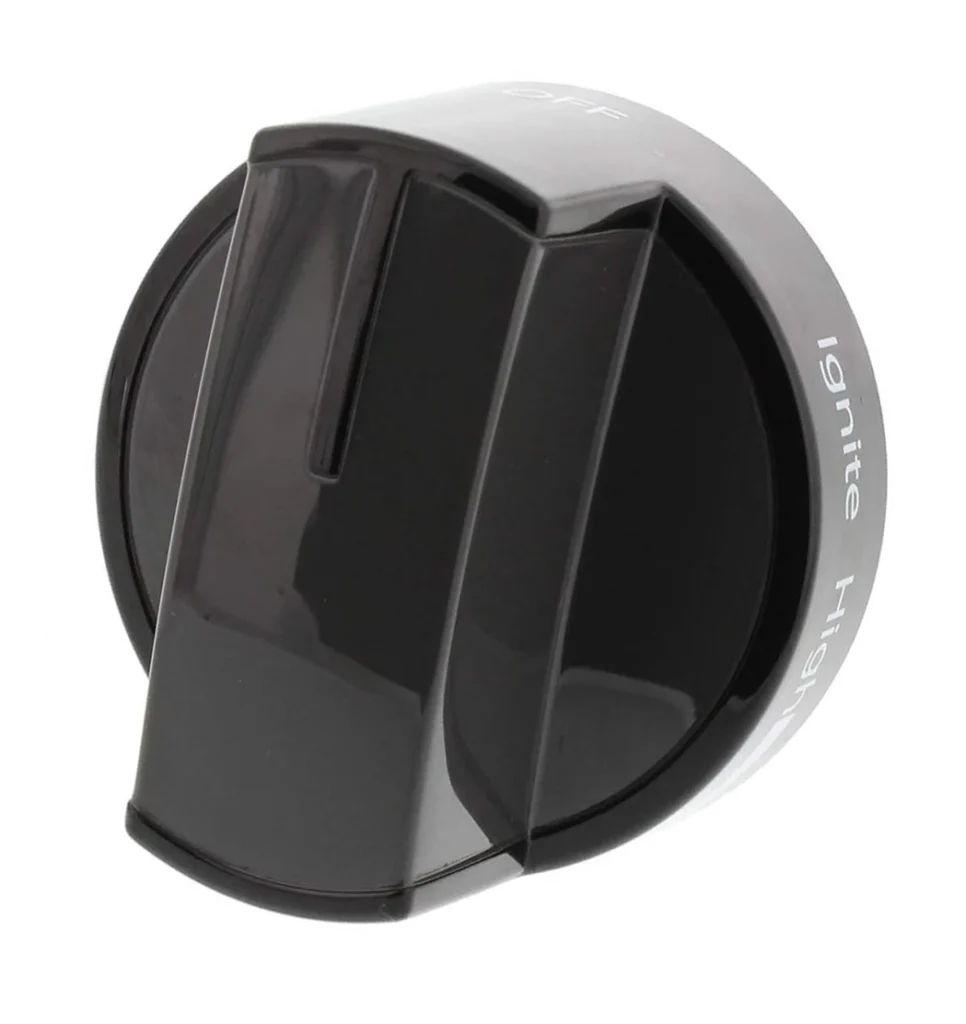
Most Whirlpool gas range knobs should last 8–12 years, but I've seen them fail in under three. The difference? How they're handled daily. On models like the WFG510S0AS2 and WFG320M0BW0, I've replaced these knobs dozens of times — usually because someone got aggressive with stuck valves or cleaned them wrong. Here's how to keep yours working until the range itself gives up.
How Long Should It Last?
The W10339442 control knob is injection-molded plastic with a metal D-shaft insert. Under normal use, you're looking at:
- Average lifespan: 8–12 years with typical cooking habits
- With proper care: 12–15+ years (basically the life of the range)
- Hard use scenarios: 3–5 years if you're cranking burners constantly or using oversized cookware
What kills it early? Heat exposure from flames that creep too high, grease buildup that works into the shaft mechanism, and the classic move of yanking when the valve feels sticky instead of fixing the actual problem.
Signs It's Wearing Out
These knobs don't just snap one day. They give you warnings:
The Shaft Insert Is Loose
Pull the knob straight off. If the metal D-shaft insert wiggles inside the plastic body or you can rotate it independently, the plastic has cracked internally. This happens when someone forces the knob past its stop point or uses it as a handle to slide the range out from the wall. You'll feel it slip between settings before it fails completely.
Temperature Markings Are Gone
The printed symbols (Off, Lite, Hi, Lo) fade from repeated cleaning with harsh chemicals or abrasive sponges. Once you can't read the settings, you're guessing at temperatures — which leads to forcing the knob to positions it wasn't designed for. I've seen knobs on WFG505M0BS0 units where the markings rubbed off in two years from daily Scotch-Brite scrubbing.
It Won't Stay On a Setting
The knob should click into each detent position and stay there. If it drifts between settings or won't hold at "Lite," the internal teeth that engage with the valve stem are worn. This usually means grease worked its way down the shaft and gummed up the mechanism. Clean it now, or replace it when it stops clicking altogether.
Cracks Near the D-Shaft Hole
Look at the back of the knob where it mounts to the valve. Hairline cracks radiating from the center hole mean the plastic is heat-damaged. Gas ranges generate serious BTUs — if your flame wraps around pots and licks the control panel, you're slowly melting these knobs from 400°F+ exposure.
When to Replace vs Maintain
Here's the honest breakdown:
Replace if:
- The D-shaft insert spins freely inside the knob body (structural failure, can't repair)
- You see cracks extending more than 1/4" from the center hole (heat damage, will break soon)
- The knob won't pull off because melted plastic fused it to the valve stem
- Someone already drilled or modified it trying to fix a different problem
Maintain if:
- Markings are fading but still readable (careful cleaning will preserve what's left)
- It's sticky but not cracked (grease removal fixes 90% of these)
- It feels loose but still engages all settings (tighten the valve stem, not the knob)
At $19.99, I'd replace anything questionable rather than deal with a knob that breaks mid-cooking. But if it's just dirty or the valve underneath needs attention, ten minutes of maintenance beats ordering parts.
Frequently Asked Questions
Can I put these knobs in the dishwasher?
Don't. The high heat (140–160°F) and harsh detergent will fade the printed markings faster than anything else. I've seen knobs come out of dishwashers completely blank. Hand-wash with warm water and dish soap, dry immediately. If you've got baked-on grease, soak in warm soapy water for 20 minutes, then use a soft toothbrush.
Why does my knob keep slipping off the valve stem?
Two reasons: either grease buildup on the D-shaft is preventing full engagement, or the valve stem itself is worn. Pull the knob off, clean both the knob's D-shaft hole and the metal stem with degreaser and a cotton swab. The knob should slide on with light resistance and seat flush against the control panel. If it still slips, the valve stem might be rounded — that's a different repair.
How do I stop the flame from discoloring my knobs?
That brown/yellow tint is heat damage, and it means your flame is running too high or your cookware is too small for the burner. Make sure you're using the right size pan for each burner — flames shouldn't extend past the pan bottom. Also check that your burner caps are seated correctly; misaligned caps direct heat upward toward the knobs. If you're running the range on High for extended periods, that's just physics — heat rises. Consider medium-high settings for most cooking.
Element showing wear?
W10339442 · Replace before it fully fails