
How to Extend Your Whirlpool Refrigerator Door Shelf Bin Life — W10321304 Maintenance Guide
Never overload door bins beyond 15 pounds. Overloading can cause the bin to fail suddenly, potentially damaging door seal and causing food spoilage.
Most door bins on Whirlpool refrigerators crack within 3-5 years, but I've seen the same bins last 10+ years with proper care. The difference? People who understand that a $30 plastic bin holding three gallons of milk and a dozen condiment bottles needs respect.
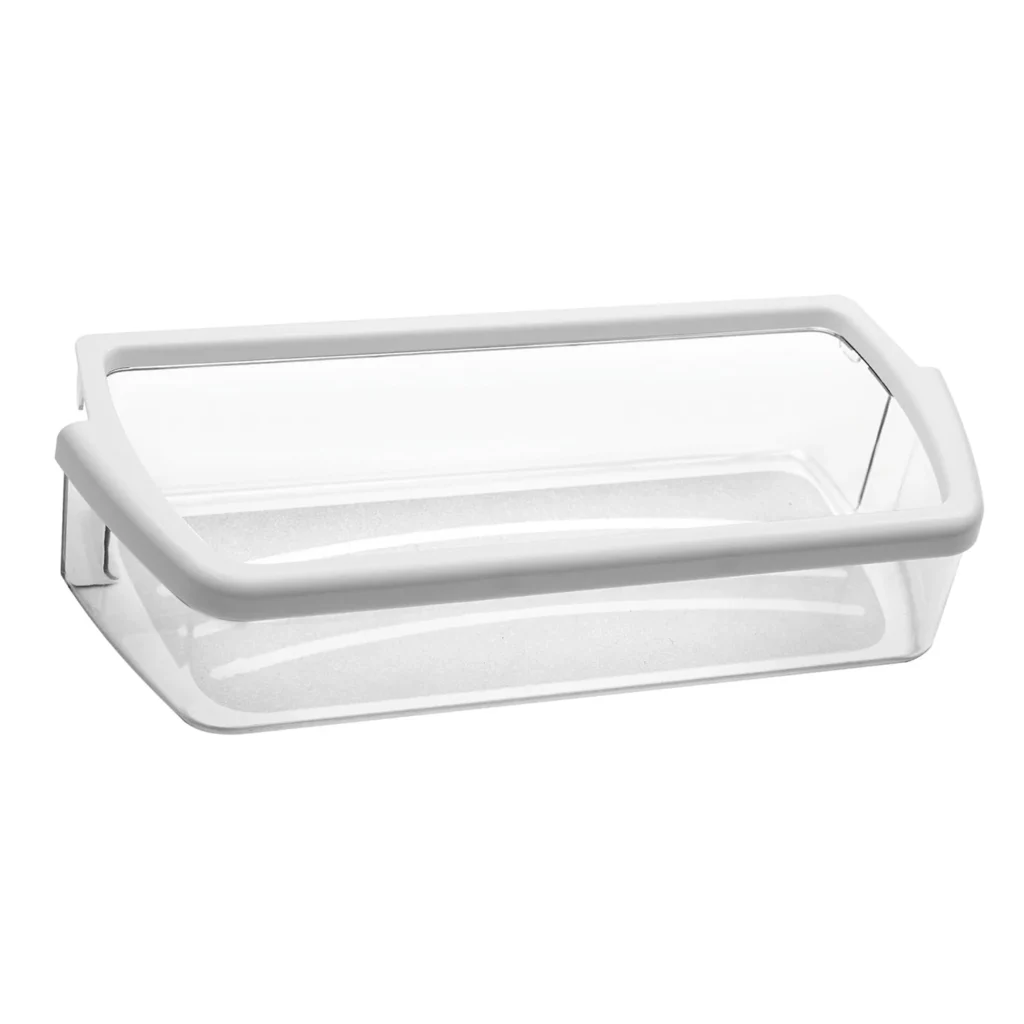
The W10321304 door shelf bin fits models like the WRS325FDAM04 and WRS322FDAW04. It's a clear bin with white trim that snaps into place without tools—but that easy installation means the mounting points take all the stress when you overload it.
How Long Should It Last?
Under normal use, this door bin should last 7-10 years. Most fail between years 3-5. Here's what kills them early:
- Overloading: The bin's rated for about 15 pounds, but people routinely load 25+ pounds of beverages and condiments
- Temperature stress: Opening the door lets warm, humid air hit cold plastic repeatedly—this causes micro-cracks
- Impact damage: Slamming the door when the bin's full creates shock loads the plastic wasn't designed for
- Chemical exposure: Leaked condiments (especially vinegar-based ones) degrade the plastic over time
With proper maintenance, you'll easily hit the 10-year mark. I've got a customer with a 2008 Whirlpool still running the original bins.
Signs It's Wearing Out
Check these spots every few months. Catching problems early means a $30 part instead of a service call for a door that won't close properly.
White Stress Lines at Mounting Points
Look where the bin clips into the door. See thin white lines radiating from the snap points? That's the plastic beginning to fail. It'll hold for now, but you're 6-12 months from a crack. This is your warning sign—order a replacement bin before it breaks completely.
Door Won't Close Flush or Seal Properly
If your door suddenly won't close all the way or the seal feels loose, check the bins. A warped or cracked bin pushes outward, preventing proper door closure. You'll notice higher energy bills before you see the crack—the compressor runs constantly trying to maintain temperature.
Leaking from the Door Area
Water pooling under your fridge? Before you blame the water line, check if a cracked door bin is letting condensation drip down. A hairline crack in the bottom of the bin won't be obvious until you pull it out, but it'll leak every time the door opens and humid air condenses.
Monthly Maintenance Checklist
Spend 5 minutes once a month doing this. It's easier than dealing with a broken bin and spoiled food.
Weight Check
Pick up the bin (while it's still in the door). If it feels heavy—like you wouldn't want to carry it across the room—it's overloaded. Remove items. The bin should feel substantial but not strain your wrist.
Visual Crack Inspection
Pull the bin out—remember, it's tool-free, just lift and pull. Hold it up to light and flex it slightly. Look for:
- White stress marks at corners
- Hairline cracks (they catch light differently)
- Warping or twisting when you apply gentle pressure
Clean and Dry Thoroughly
Warm soapy water, soft cloth. Don't use abrasive scrubbers—they create microscopic scratches where cracks start. Dry completely before reinstalling. Water trapped in mounting points freezes and expands, cracking the plastic from the inside.
When to Replace vs Maintain
Here's the honest truth: if you see cracks, replace it. Plastic doesn't heal. I've watched people try everything from super glue to plastic welding—it always fails again within weeks.
Replace immediately if:
- Any visible crack, even hairline
- White stress marks at multiple mounting points
- Bin doesn't snap firmly into place anymore
- It's been 8+ years and you've never replaced it
Maintain and keep using if:
- Bin is discolored but structurally sound
- Minor scratches on the surface only
- Clips hold firmly with no play
- No stress marks or cracks visible
The W10321304 snaps in without tools, so there's zero labor cost to replace it yourself. Don't wait until it cracks completely and dumps a gallon of milk inside your door.
Load Distribution Strategy
This matters more than cleaning. Weight kills door bins.
Heavy items (milk, juice): Main fridge shelves, not the door. Door bins weren't designed for gallon containers—the stress from opening and closing multiplies the weight.
Medium items (condiments, dressings): Lower door bins. Put heavier items lower where the mounting points are stronger.
Light items (butter, small jars): Upper door bins like the W10321304. This is perfect for frequently-used condiments that don't weigh much.
I see people storing two gallons of milk in door bins rated for 15 pounds total. The bins last 18 months instead of 10 years, then they're confused why it cracked.
Temperature Cycle Protection
Every time you open the door, warm air hits cold plastic. Over years, this thermal cycling weakens the material. You can't eliminate it, but you can reduce it:
- Don't stand with the door open deciding what to eat
- Teach kids to grab what they need and close the door immediately
- Keep frequently-used items in easy-to-reach spots
- Don't open the door just to "check" what's inside
Each extra 30 seconds of door-open time adds up. Over a year, that's hundreds of unnecessary thermal cycles weakening the plastic.
Frequently Asked Questions
Can I repair a cracked door bin with plastic adhesive?
Don't waste your time. I've tried every adhesive made—super glue, epoxy, plastic welding, you name it. The problem is the bin flexes constantly from door movement and temperature changes. Any repair cracks again within 2-3 weeks. At $30 for the W10321304 replacement, it's not worth the hassle of a temporary fix that'll fail when you least expect it.
Why does the bin turn yellow or cloudy over time?
Two reasons: UV exposure from interior lights and chemical exposure from spilled condiments. The yellowing is cosmetic—it doesn't affect function. The cloudiness is different. If the plastic looks hazy or frosted, that's micro-crazing from temperature stress. It means the plastic is getting brittle. Still safe to use, but you're in the last 1-2 years of its life.
How do I know if I'm overloading my door bins?
Simple test: if you hear creaking when you open or close the door, you're overloading. The bins should be silent. Also, if items in the bin shift or fall over when you move the door, there's too much weight creating flex. A properly loaded bin stays stable—nothing moves when you swing the door.
Element showing wear?
W10321304 · Replace before it fully fails