
How to Extend Your Whirlpool Dryer Belt Life — W10198086 Maintenance Guide
Always unplug your dryer before performing any inspection or maintenance. The drum can rotate unexpectedly and cause injury. Never lubricate the belt or pulleys.
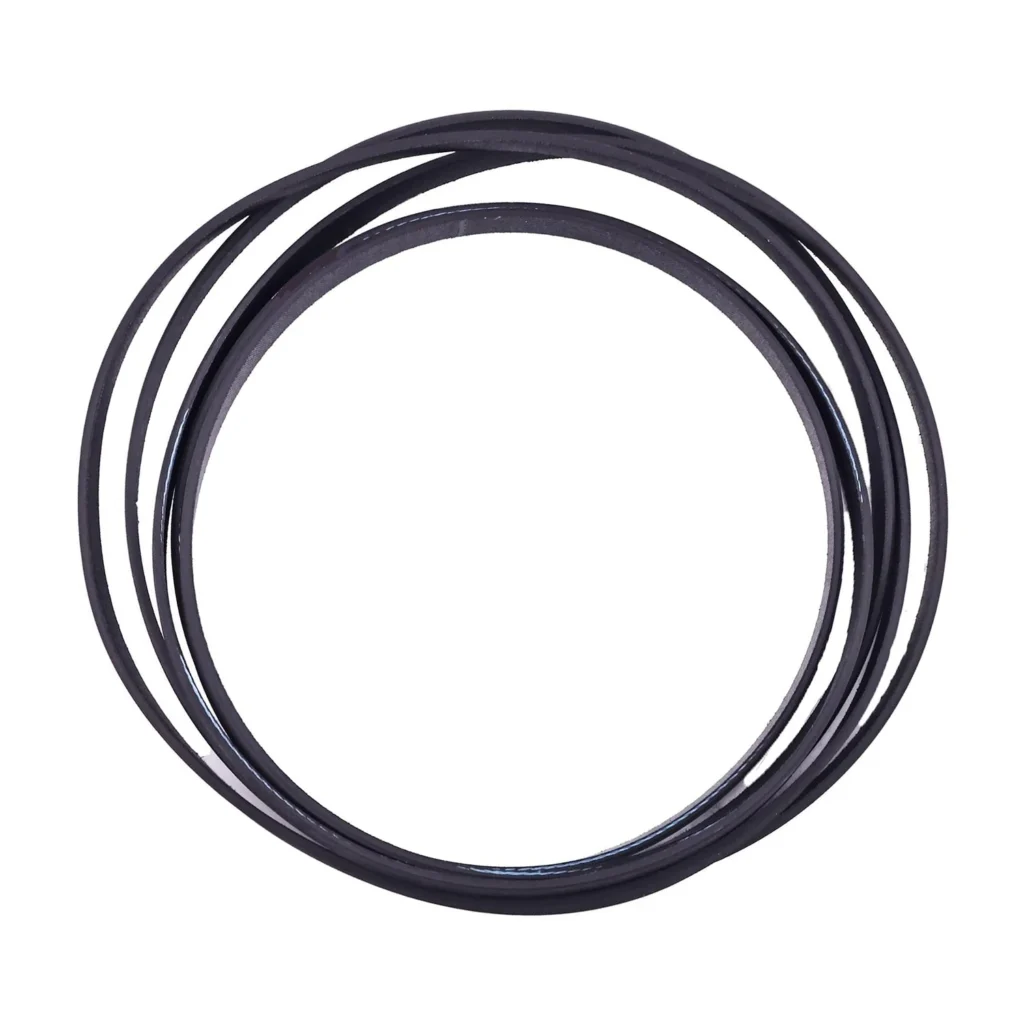
Most Whirlpool and Maytag dryer belts should last 10-15 years. But I see the W10198086 belt failing at 5-7 years all the time — usually because nobody's doing the simple maintenance that prevents premature wear.
This belt wraps around your drum and connects to the motor pulley. It's under constant tension and friction every time you run a load. Small things you do (or don't do) make a massive difference in how long it lasts.
How Long Should the W10198086 Belt Last?
Under normal conditions with proper care, this belt should give you 12-15 years. That's the lifespan Whirlpool designs for. But here's what actually happens:
- Average lifespan without maintenance: 5-8 years
- With regular care: 12-15 years
- Heavy use (families, multiple loads daily): 4-6 years even with care
The belt degrades from heat, friction, and contamination. Lint buildup accelerates everything. Overloading your dryer puts extra stress on it. Running loads that are too small means the drum rattles and creates uneven wear patterns.
If you've got a Maytag MEDC465HW0 or similar model running 10+ loads per week, you're in the high-wear category. You need to be more proactive.
Signs Your Belt Is Wearing Out
The W10198086 doesn't just snap without warning. It tells you it's failing — you just need to know what to look for.
Squealing or Squeaking During Operation
This is the earliest sign. When the belt surface gets glazed from heat or contaminated with fabric softener residue, it slips slightly on the pulleys. That slip creates a high-pitched squeal, especially when you first start a cycle.
If you hear squeaking that goes away after 30-60 seconds, that's the belt warming up and gripping better. It's telling you the rubber is hardening. You've got maybe 3-6 months before failure.
Thumping or Rumbling Sounds
When the belt develops cracks or weak spots, the drum doesn't spin smoothly. You'll hear a rhythmic thump-thump-thump. That's the damaged section of belt hitting the pulleys with each rotation.
This sound means you're close to complete failure. The belt could snap during your next load.
Drum Won't Spin But Motor Runs
You hear the motor humming, but the drum just sits there. That's a fully broken or completely slipped belt. At this point you're replacing, not maintaining.
Sometimes the drum will spin by hand but won't turn when the motor runs — that's a glazed belt that can't grip anymore.
Visible Cracking or Fraying
Pull the front panel off and inspect the belt directly. Look for:
- Cracks running perpendicular to the length
- Shiny, glazed surface instead of matte rubber texture
- Fraying edges where the ribs contact the pulleys
- Sections that look stretched or thinner than others
Any of these means replacement, not maintenance.
What Actually Damages the W10198086 Belt
Four things kill dryer belts early:
Lint accumulation: Lint gets everywhere inside your dryer. When it coats the belt and pulleys, it acts like sandpaper. It also insulates the belt, trapping heat and accelerating rubber degradation.
Overloading: Stuffing too many wet towels in there means the motor strains to turn the drum. That extra tension stretches the belt beyond its design limits. Over time, it permanently deforms.
Fabric softener buildup: Liquid softener creates a sticky residue that gets on the belt. This residue attracts more lint and causes the belt to slip and overheat. Dryer sheets are better, but they still leave some residue.
Running empty or nearly-empty loads: The drum needs weight to stabilize. Without it, the belt whips and snaps. That flexing creates stress fractures in the rubber.
Maintenance Schedule That Actually Works
Here's what I tell people who want to get the full 12-15 years out of their belt:
After Every 10-15 Loads
Clean your lint trap. Not just the screen — pull it out and vacuum the cavity underneath. Lint falls through the screen and accumulates in there. That lint eventually works its way onto the belt path.
Every 3 Months
Vacuum around the drum and motor area. You need to pull the lower front panel (two screws usually). Use a crevice attachment and get all the lint you can reach. Pay attention to the area around the idler pulley — lint packs in there and prevents proper belt tension.
While you're in there, spin the drum by hand. It should rotate smoothly with slight resistance. If it's hard to turn or makes grinding sounds, that's bearing wear (different problem), but extra drag also stresses the belt.
Every 6 Months
Full cabinet cleaning. Unplug the dryer. Remove the front and top panels. Shop-vac everything. Clean the blower housing, the duct, all of it.
This is when you inspect the belt directly. Look at both sides, feel for cracks, check the tension. A properly tensioned belt should have about 1/2 inch of deflection when you press on it midway between pulleys.
Annually
Clean your exterior vent and ductwork. Restricted airflow makes the dryer run hotter and longer. That extra heat degrades the belt faster. A clogged vent can cut belt life in half.
When to Replace vs Maintain
Be honest with yourself. Maintenance only works on a belt that's still in good condition. If you're seeing cracks, hearing squealing that doesn't stop, or the belt looks glazed and shiny, just replace it.
The W10198086 runs about $15-25. Your time is worth something. Don't spend two hours trying to baby along a belt that's six months from failure anyway.
Replace immediately if:
- You see any cracks in the rubber
- The belt squeals continuously during operation
- You've had it for 8+ years regardless of condition
- The surface is shiny/glazed instead of matte black
- There's visible fraying on the edges
Maintain if:
- The belt is less than 5 years old
- No visible damage or wear
- Dryer operates normally, no unusual sounds
- You just want to maximize lifespan
The One Thing Nobody Does (But Should)
Stop using liquid fabric softener. Switch to dryer sheets or nothing at all. That liquid softener creates the sticky residue that kills belts early. If you must use it, cut the recommended amount in half.
I've seen identical dryers in the same house — one gets liquid softener, one doesn't. The softener dryer needs a belt every 5 years. The other goes 12+ years on the original.
Frequently Asked Questions
Can I lubricate the dryer belt to reduce squealing?
No. Never put anything on the belt — no WD-40, no belt dressing, nothing. Lubricants attract lint and create slip, which generates more heat and accelerates failure. If it's squealing, the belt is already damaged. Clean the pulleys and drum surface with rubbing alcohol, but leave the belt dry. If cleaning doesn't fix the squeal, replace the belt.
How tight should the W10198086 belt be?
The idler pulley sets the tension automatically — you don't adjust it manually. When properly installed, the belt should have about 1/2 inch of give when you press on it between the motor pulley and drum. Too tight and it wears the bearings. Too loose and it slips. If tension seems wrong, check that the idler pulley spring isn't stretched or broken.
Will a worn belt damage my dryer motor?
A slipping belt makes the motor work harder because there's no load resistance when it slips. That can overheat the motor windings over time. But the thermal overload protector should shut things down before permanent damage occurs. The bigger risk is running the dryer with a squealing belt — that noise means excessive heat, and that heat can warp the drum supports or damage the glides.
Element showing wear?
W10198086 · Replace before it fully fails