
How to Extend Your Whirlpool Dishwasher Rack Adjuster Life — Maintenance Guide
Always disconnect power before removing dishwasher racks for inspection. Never force adjustment levers — excessive pressure can crack the housing.
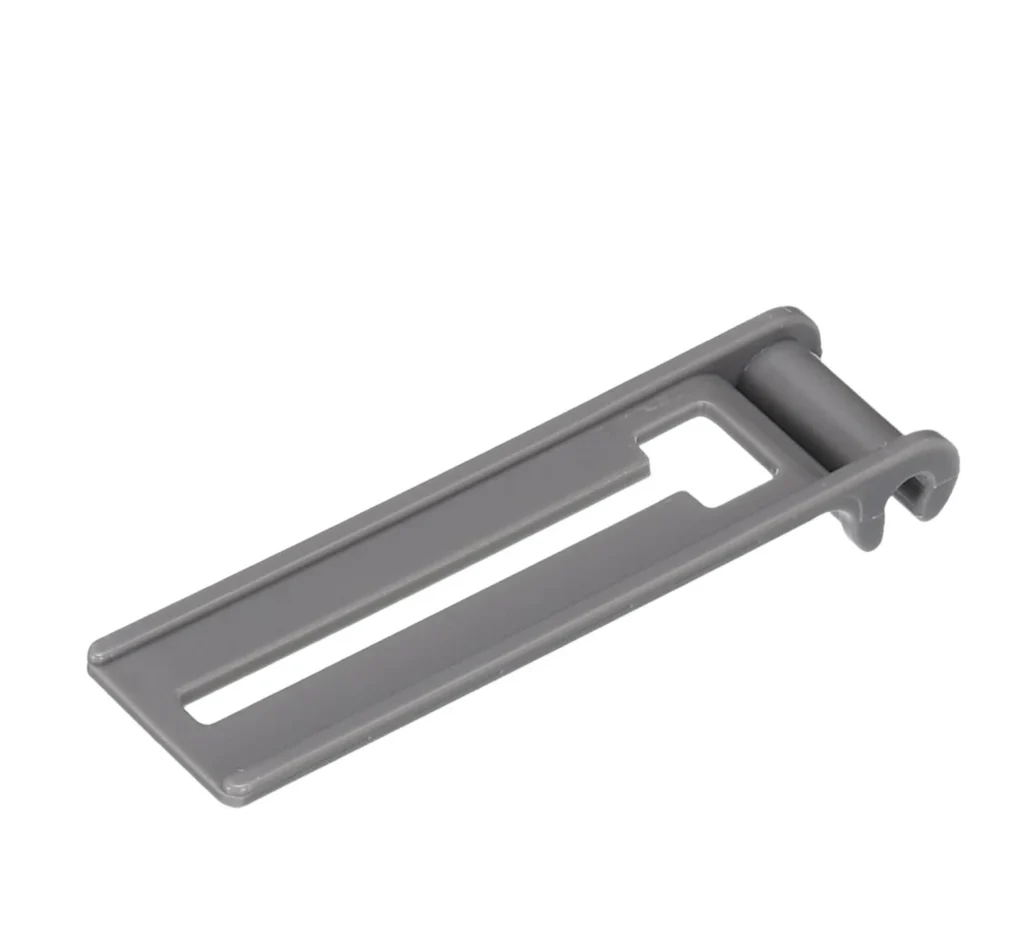
Most dishwasher rack adjusters fail between 3-5 years, but you'll see owners of models like the WDT730PAHZ0 and KDTE334DSS1 replacing them after just 18 months. The difference? How you load the rack and what you ignore during routine cleaning.
The W10195839 adjuster isn't just a plastic wheel — it's a height-adjustment mechanism that takes constant pressure every time you slide that upper rack in and out. Most people don't think about maintaining it until their door won't close properly or the rack won't stay in position.
How Long Should It Last?
Under normal use, this adjuster should give you 5-7 years. But here's what actually happens: food debris, hard water deposits, and constant weight stress cut that lifespan in half for most households.
The adjusters on Whirlpool, KitchenAid, Kenmore, and Jenn-Air models like the WDF590SAJB0, KDFE104DSS, and WDT970SAHZ0 all face the same enemies — mineral buildup on the adjustment mechanism and stress cracks from overloaded racks.
If you run your dishwasher daily with hard water and consistently max out the upper rack capacity, expect closer to 3 years. With proper care? You can push it past 8 years.
Signs It's Wearing Out
The adjuster doesn't just fail overnight. It gives you warnings — if you know what to look for.
Door Won't Close Properly
This is the most common symptom. The rack sits at the wrong height because the adjuster's grip has weakened, preventing the door from latching. You'll find yourself pushing harder on the door or repositioning the rack multiple times before it closes. On models like the KDTE104ESS and WDT780SAEM1, this often starts intermittently — closing fine when empty but failing when fully loaded.
Rack Won't Stay at Adjusted Height
You set the upper rack to accommodate tall items on the bottom, but it slowly creeps back down during the wash cycle. The adjustment teeth have worn smooth, and the locking mechanism can't maintain position under the weight of dishes and water spray pressure.
Visible Cracks or White Stress Marks
Pull out your upper rack completely and inspect the adjuster housings on both sides. Look for hairline cracks radiating from mounting points or chalky white stress marks on the plastic. These indicate the material is fatiguing. On KitchenAid models like the KDFE454CSS4 and KUDC10IBSS0, check where the adjuster connects to the rack rail — that's where cracks typically start.
Grinding or Catching During Adjustment
The mechanism should move smoothly when you pull the adjuster lever. If you hear grinding, feel resistance, or notice the rack jerks instead of gliding, mineral deposits have infiltrated the adjustment gears. This creates additional friction that accelerates wear.
When to Replace vs Maintain
Here's the honest truth: if you've got visible cracks or complete door latch failure, maintenance won't save you. The W10195839 costs $30.99 — just replace it.
But if you're experiencing early-stage symptoms — slight resistance, occasional height slipping, or minor grinding — aggressive cleaning and proper loading habits can add 2-3 years of life.
Replace immediately if:
- Any part of the adjuster housing is cracked
- The door won't latch even with the rack removed and repositioned
- The adjustment lever breaks off or won't engage
- You see the rack visibly tilting to one side
For Whirlpool models like the WDT910SSYB3, WDF590SAJM0, and WDTA50SAHZ0, replacing both adjusters at once prevents the frustration of one side failing shortly after you've done the repair.
Frequently Asked Questions
Can I just lubricate the adjuster to make it last longer?
No. Don't use any oil, grease, or spray lubricant. These attract food particles and create a gummy mess that makes the problem worse. The adjuster mechanism is designed to run dry. If it's grinding, clean it thoroughly with white vinegar and a toothbrush to remove mineral deposits — lubrication isn't the answer.
Does it matter which side fails first on my WDT750SAHZ0?
Yes and no. The dishwasher will still run with one working adjuster, but the uneven support creates stress on the remaining good side, accelerating its failure. You'll also notice the rack doesn't glide smoothly because one side hangs lower. If one adjuster fails on your Whirlpool or KitchenAid model, plan to replace both within 6 months to avoid a second repair.
Will running dishwasher cleaner help maintain the adjusters?
Monthly dishwasher cleaner helps prevent buildup throughout the machine but doesn't specifically target the adjusters. For adjuster maintenance, you need direct cleaning — remove the upper rack entirely, inspect the adjustment points, and manually clean any visible deposits. Commercial dishwasher cleaners run through the spray system, which doesn't reach the mechanical parts of the adjuster housing effectively.
Element showing wear?
W10195839 · Replace before it fully fails