
How to Extend Your Dishwasher Pump Hose Life — W10195114 Maintenance Guide
Always disconnect power before inspecting. Water and electricity don't mix — unplug the dishwasher or flip the breaker.
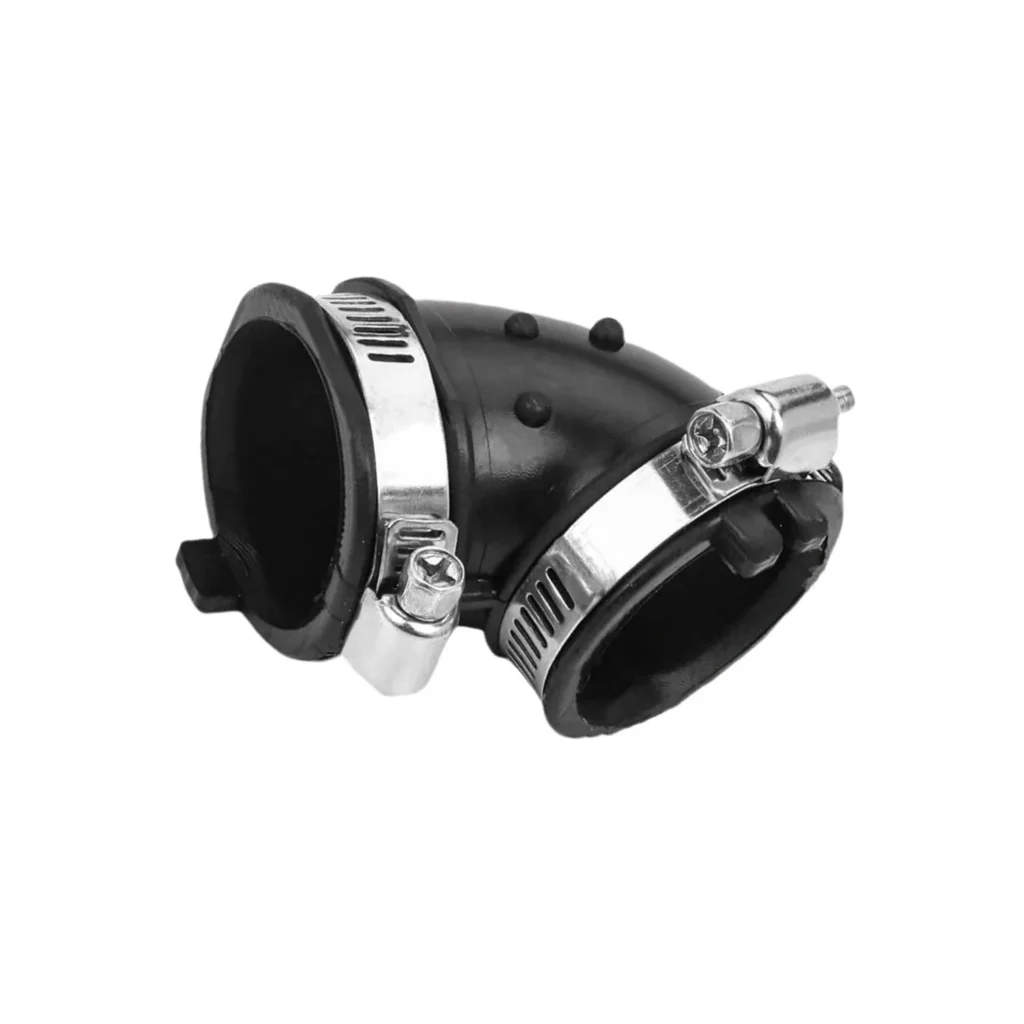
Most dishwasher pump-to-sump hoses fail between years 5 and 7, but here's the thing — the part itself could last 10+ years if it wasn't constantly battling food debris, hard water deposits, and stress cracks from temperature swings. The W10195114 assembly connects your dishwasher's pump to the sump, and when it goes, you're looking at leaks under the unit that can damage your kitchen floor before you even notice.
How Long Should It Last?
Under normal conditions, this hose assembly should give you 7-10 years of service. But "normal" is doing a lot of work in that sentence. If you're running your dishwasher daily with hard water and not cleaning the filter regularly, you're looking at closer to 5-6 years. The rubber deteriorates faster when it's constantly exposed to mineral-laden water and food particles.
What kills these hoses early? Three main culprits: buildup inside the hose that creates pressure points, hard water causing the rubber to become brittle, and physical stress from a dishwasher that wasn't leveled properly during installation. That last one's sneaky — an unlevel dishwasher puts constant tension on the hose connections.
Signs It's Wearing Out
You won't see this hose without pulling your dishwasher out, which is exactly why so many people miss the warning signs until there's water on the floor. Here's what to watch for:
Water Pooling Under the Dishwasher
Pull out your bottom rack and shine a flashlight along the floor at the back of the tub. See moisture? That's your early warning. The hose usually starts weeping at the connection points before it fails completely. If you're finding small puddles after each cycle, don't wait — that's the hose telling you it's compromised.
Reduced Spray Pressure During Wash
When the pump-to-sump hose develops internal buildup or starts to collapse, water flow gets restricted. You'll notice dishes aren't getting as clean, particularly on the upper rack. The spray arms might still spin, but they're not hitting with the same force. Check the hose before assuming it's a pump problem — it's way cheaper to replace.
Strange Gurgling Sounds During Drain Cycle
A hose that's partially blocked or kinked creates turbulence in the water flow. You'll hear it as a gurgling or choking sound during the drain cycle, different from the normal pump hum. This often means debris has built up inside the hose, creating uneven flow patterns.
Preventive Maintenance That Actually Works
Here's the honest truth: you can't directly maintain a hose that's buried inside your dishwasher. But you can create conditions that keep it healthy longer.
Clean your dishwasher filter every two weeks. I know the manual says monthly, but every two weeks keeps food particles from getting into the pump and hose system. Those particles act like sandpaper on the rubber interior. It takes 30 seconds — just twist out the filter, rinse it, done.
Run a descaling cycle quarterly if you have hard water. White vinegar works, but a dedicated dishwasher descaler is better. Pour it in, run an empty cycle on the hottest setting. This keeps mineral deposits from building up inside the hose where they'll eventually create weak spots in the rubber.
Check that your dishwasher is level once a year. Grab a level, place it on the door when it's open. If it's off, the entire weight distribution changes, putting stress on hose connections. Most dishwashers have adjustable feet — turn them until you're level front-to-back and side-to-side.
When to Replace vs Maintain
If you're seeing visible water after cycles, replace it. There's no patching or repairing these hoses — the rubber compound is specifically designed for food-safe applications, and any patch won't meet that standard. Plus, by the time one section fails, the rest of the hose isn't far behind.
Replace preventively if your dishwasher is 8-10 years old and you've never changed the hose. It's a $20-30 part that takes 20 minutes to swap when you're doing other maintenance. Way easier than dealing with water damage to your cabinets.
The W10195114 fits Whirlpool models like the WDF510PAYB0, WDT710PAYM2, and WDT750SAHZ0, plus Amana units like the ADB1400PYB0 and ADB1400PYS0. KitchenAid and Kenmore dishwashers use this same assembly across multiple model lines.
Frequently Asked Questions
Can I use a generic automotive hose instead of the OEM part?
Don't. Automotive hoses aren't rated for food contact and can leach chemicals into the water that recirculates during the wash cycle. The OEM hose uses FDA-approved rubber compounds. It's not worth the risk to save $10.
How do I know if it's the hose or the pump leaking?
Pull the dishwasher out and run a cycle while watching the connections. Hose leaks show up at the clamp points or along the hose body. Pump leaks come from the pump housing itself, usually from the seal around the motor shaft. If water's dripping from where the hose connects to the pump, tighten the clamp first before replacing anything.
Will hard water destroy this hose faster than soft water?
Absolutely. Hard water deposits crystallize inside the hose, making the rubber stiff and prone to cracking. If you have hard water (above 7 grains per gallon), plan on replacing this hose every 5-6 years instead of 8-10. A whole-house water softener will extend the life of every water-using appliance you own.
Element showing wear?
W10195114 · Replace before it fully fails