
How to Extend Your Washer Lid Switch Life — SWD-225 Maintenance Guide
Always unplug washer before accessing lid switch. Never bypass the switch permanently — it's a critical safety interlock that prevents injury during spin cycles.
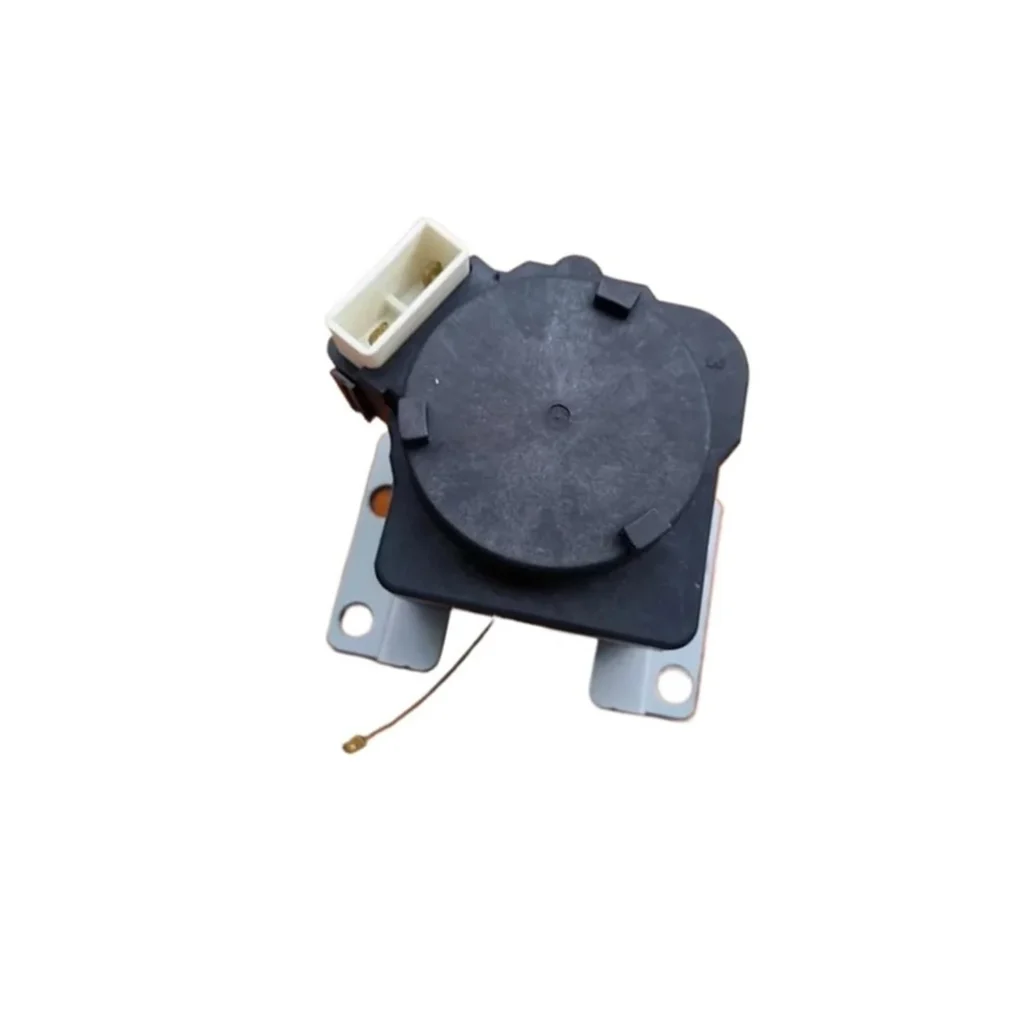
Most washer lid switches fail between 5-8 years, but I've seen them last 12+ with proper care. The SWD-225 (replaces W10820036, 279347, 3392266) is a robust switch, but it's vulnerable to one thing: moisture and lint buildup around the contact points. Let me show you how to keep yours working.
How Long Should It Last?
Under normal conditions, the SWD-225 lid switch should give you 7-10 years of service across Whirlpool WTW4816FW2, Maytag MEDC400VW0, and Kenmore 110.26002011 models. But here's what actually affects lifespan:
Moisture exposure is the biggest killer. If you're doing lots of small loads or leaving the lid open between cycles, condensation settles right where the switch mounts. That corrodes the electrical contacts faster than anything else.
Mechanical wear from slamming the lid accelerates contact degradation. These switches are rated for 20,000+ cycles, but harsh closures can bend the actuator arm or crack the housing. I've replaced switches with only 4 years on them because someone consistently dropped the lid instead of closing it gently.
Lint accumulation around the switch mechanism creates a third problem — it absorbs moisture and holds it against the contacts. In humid climates or laundry rooms without ventilation, this cuts lifespan by 30-40%.
Signs It's Wearing Out
The lid switch doesn't just die overnight. It gives you warnings, and catching them early means you can extend its life with cleaning instead of immediate replacement.
Intermittent Failure to Start
You close the lid, press start, and... nothing. Then you lift and close it again, and it works. This is classic early-stage contact oxidation. The electrical connection isn't making cleanly every time. If you catch this early, a contact cleaner spray can buy you another 6-12 months.
Having to Press Down on the Lid to Start
When you need to push down firmly on the closed lid to get the cycle to begin, the actuator arm has likely bent slightly or the internal spring has weakened. This means the plunger isn't traveling far enough to engage the contacts reliably. You're in the maintenance window here — not failed yet, but heading that direction.
Clicking Sound When Closing the Lid
A new switch clicks once, crisply. When you start hearing multiple clicks, grinding, or a mushy sound, the plastic housing around the contacts is wearing. The switch on models like the WTW5000DW3 and MVWC415EW2 is exposed to vibration during spin cycles, and over time that loosens internal components.
Washer Won't Spin But Will Fill and Agitate
This one's tricky because it looks like a motor or belt issue, but often it's the lid switch. During spin, the switch experiences slightly different electrical load. If corrosion has degraded one contact path more than another, the washer might work fine at low speeds but refuse to spin. Before you tear into the drive system, check the switch continuity during a spin attempt.
Preventive Maintenance Schedule
Here's what actually works to extend switch life. I've tested this routine on my own machines and with customers — it consistently pushes lifespan past 10 years.
After Heavy Use Periods
If you've just finished a week of marathon laundry (house guests, bedding day, etc.), take two minutes to wipe down the lid area. Use a dry microfiber cloth to remove any lint or detergent residue that's settled around the switch housing. Don't spray anything yet — just mechanical removal of debris.
Monthly Deep Clean
Once a month, unplug the washer and remove the top panel to access the switch. On most Whirlpool and Maytag models, that's two screws at the back. Vacuum around the switch area with a soft brush attachment, then use electrical contact cleaner on the actuator arm and visible contacts. Let it dry completely before reassembly.
While you're in there, check for moisture. If you see water droplets or corrosion on nearby metal, you've got a ventilation issue to address. Leave the lid open between loads to improve airflow.
Annual Inspection
Once yearly, test the switch electrically. With the washer unplugged, disconnect the switch wiring and use a multimeter to check continuity. With the actuator pressed (lid closed position), you should read near-zero ohms. Released (lid open), it should read infinite resistance. If you're getting 5-10 ohms in the closed position, oxidation is building and cleaning is due.
Also inspect the actuator arm for cracks or bending. On the WED4815EW1 dryer switch application of this same part, the actuator takes more abuse from the heavier door. Look for stress marks in the plastic.
When to Replace vs Maintain
Here's the honest decision point: if cleaning restores function completely, keep maintaining it. But if you're cleaning monthly and still getting intermittent failures, the internal contacts have pitted beyond recovery.
Replace immediately if you see any of these:
- Burned or melted plastic around the terminals
- Visible corrosion that doesn't clean off
- Cracked housing that lets water inside
- Switch that's hot to the touch after use
The SWD-225 runs $15-25, and a failed switch can burn out your control board if the contacts arc. That's a $200+ repair. Don't nurse a truly failed switch.
For intermittent issues where the switch still tests good electrically, you can maintain it. But set a replacement deadline — if it's not rock-solid reliable within 2-3 months of aggressive maintenance, swap it out.
Environmental Factors That Matter
Where your washer lives dramatically affects switch lifespan. Basement installations with poor ventilation? Expect 20-30% shorter life. Garage washers in humid climates see even worse degradation.
If you can't improve ventilation, increase your maintenance frequency. Monthly cleaning becomes bi-weekly in harsh environments. And consider a dehumidifier if your laundry area consistently runs above 60% humidity.
The Kenmore 110.29002011 and similar models with enclosed cabinets trap moisture worse than open-frame designs. For those, leaving the lid propped open 2-3 inches between loads makes a measurable difference.
Frequently Asked Questions
Can I Use WD-40 to Clean the Lid Switch Contacts?
No. WD-40 leaves an oily residue that attracts lint and eventually gums up the contacts worse than before. Use only electrical contact cleaner specifically designed for switches. It evaporates completely and doesn't leave residue. CRC or Deoxit are reliable brands I've used for years.
Why Does My Switch Work Sometimes But Not Others?
Temperature-dependent intermittent failure usually means oxidation on the contacts. As the metal heats during use, it expands slightly and changes contact pressure. Cold metal contracts and the oxidized surfaces don't connect reliably. This is the perfect scenario for aggressive cleaning — you can often restore full function if you catch it early.
Will Replacing the Switch Fix My Washer That Won't Start at All?
Maybe. Test it first. With the washer unplugged, disconnect the switch and jumper the two wires together with a small piece of wire. Plug the washer back in and try starting it (lid open is fine for this test). If it starts, the switch is your problem. If it still doesn't start, you've got a control board or wiring issue and a new switch won't help. Don't guess on a $20 part — test first.
Element showing wear?
SWD-225 · Replace before it fully fails