
How to Extend Your LG Washer Rear Tub Gasket Life — Maintenance Guide
Disconnect power and water supply before any inspection. Never operate the washer with the rear panel removed.
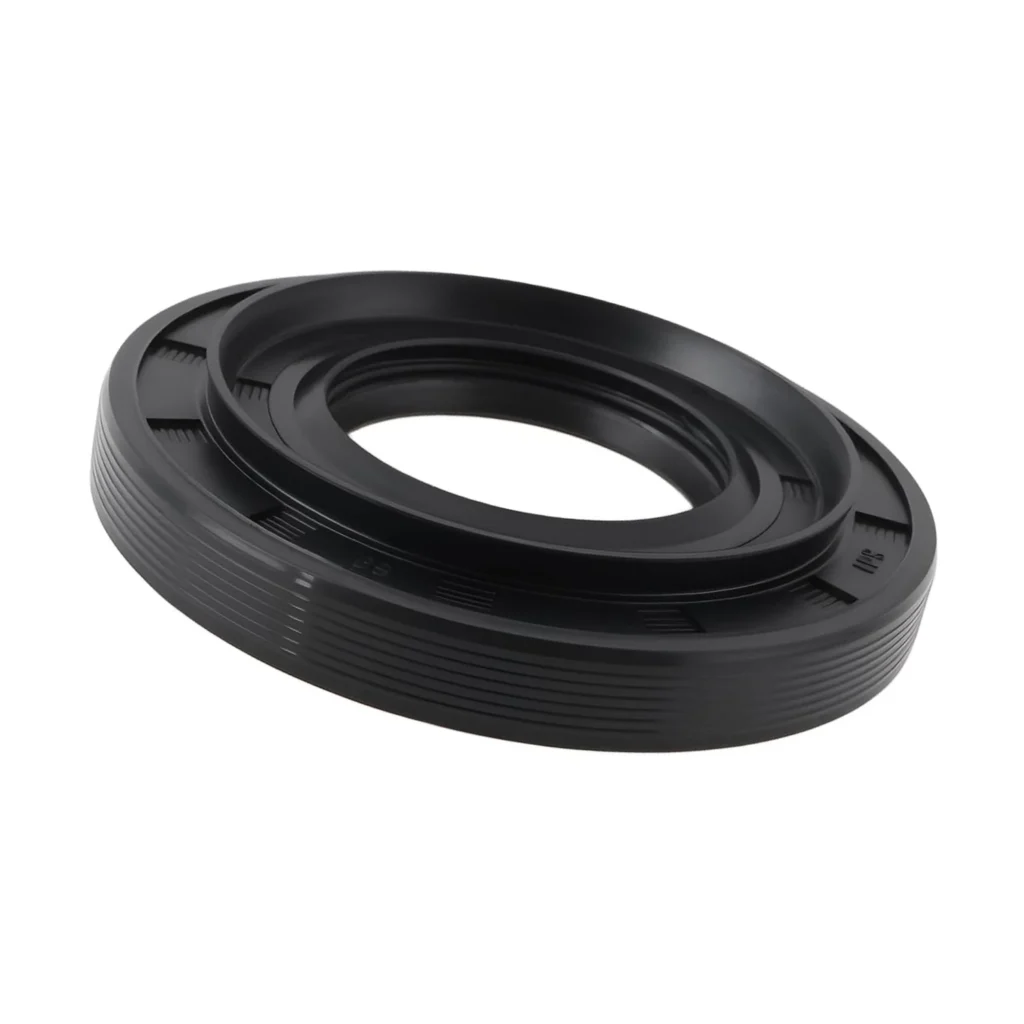
Here's the thing about the MDS62058301 rear tub gasket in your LG washer: it's supposed to last 8-10 years, but most people replace it around the 5-year mark. The difference? Whether water ever reached the bearing behind it.
That seal sits between your outer tub and bearing housing on models like the WM3150HVC, WM3370HRA, and WM3875HWCA. When it fails, water sneaks past during the spin cycle, hits the bearing, and you've got rust. Then comes the noise — that grinding, rumbling sound that tells you the bearing's shot.
How Long Should It Last?
In ideal conditions, this gasket will outlive most other washer components. We're talking 10-12 years if you do everything right. But here's what kills it early:
- Overloading the drum (uneven weight destroys the seal faster than anything)
- Hard water mineral deposits around the seal edge
- Detergent residue buildup that hardens and cracks the rubber
- Running the washer off-balance repeatedly
Most people don't realize the gasket's compromised until they hear bearing noise or spot water where it shouldn't be. By then, you're looking at a 2+ hour repair job that'll test your patience.
Signs It's Wearing Out
The gasket doesn't just fail overnight. It gives you warnings — if you know what to look for.
Leaking During Wash or Spin Cycles
You'll see water pooling underneath the washer, usually toward the back. It's not always a lot — sometimes just a small puddle after a heavy load. This is water getting past the seal and dripping from the bearing housing. Don't ignore it. Once water reaches that bearing, the clock's ticking.
Bearing Noise
That low grinding or rumbling during the spin cycle? That's your bearing crying for help. The gasket's already failed at this point — water got through, the bearing rusted, and now metal's grinding on metal. One user described it perfectly: "I removed the barrel from the inside of the washer, and removed the tub after that I punched out the bearings and replaced them." Yeah, it's that kind of job.
Loud Noise During Spin Cycle
This is different from normal bearing noise. We're talking about a loud banging or clanking — the drum's wobbling because the seal's so far gone that the shaft's moving around in there. If you're hearing this on models like the WM3700HWA or WM3770HWA, pull the washer out and check for water traces around the rear bearing area.
When to Replace vs Maintain
Let's be honest: you can't really "repair" this gasket. Once it's compromised, it needs replacing. But here's the decision framework:
Replace immediately if: You've got leaking and bearing noise together. The bearing's already damaged, so you'll need both the gasket (MDS62058301) and new bearings anyway.
Replace soon if: You hear grinding but no visible leak yet. The seal's failing, and you've got maybe a few weeks before bearing damage starts.
Monitor closely if: You hear occasional noise only with heavy, unbalanced loads. The gasket might still be okay, but you're pushing it. Balance your loads better and check monthly.
One tech who's done this job a dozen times put it this way: "The shaft was VERY difficult to free from the bearings ... took the heat, penetrating oil, and a sledgehammer. Be ready for that to take a while and to have to hit the shaft a LOT harder than you think you should." That's what you're in for if you wait too long.
Frequently Asked Questions
Can I prevent the rear tub gasket from failing early?
Absolutely. Keep loads balanced, use the right amount of HE detergent (excess suds put pressure on seals), and run a cleaning cycle monthly to prevent mineral buildup. Don't overload the drum — that uneven weight during spin is the #1 killer of this seal.
How do I know if the bearing is damaged or just the gasket?
If you've got noise, the bearing's probably toast. A healthy bearing is silent. Water reaching it causes rust, and once that starts, replacement is your only option. The gasket and bearing almost always fail together — the seal goes first, then water kills the bearing.
Is this a DIY repair or should I call a tech?
It's rated "Hard" for a reason. You'll need a socket set, adjustable wrench, hammer, punch, heat source, and penetrating oil. Plan on 2+ hours minimum. As one DIYer noted: "I searched the Appliance Parts Pros 'Get Repair Help' tab, typed in the LG washing machine model number (WM3885HCCA), watched videos and searched for the parts shown on the diagrams." If you're comfortable with that level of teardown, go for it. Otherwise, call a pro — a botched job here can total your washer.
Element showing wear?
MDS62058301 · Replace before it fully fails