
How to Double Your John Deere Spindle Assembly Life — GY21098 Maintenance Guide
Always disconnect the spark plug before working under the deck. Support the mower with jack stands — never rely on the jack alone. Wear gloves when handling blades.
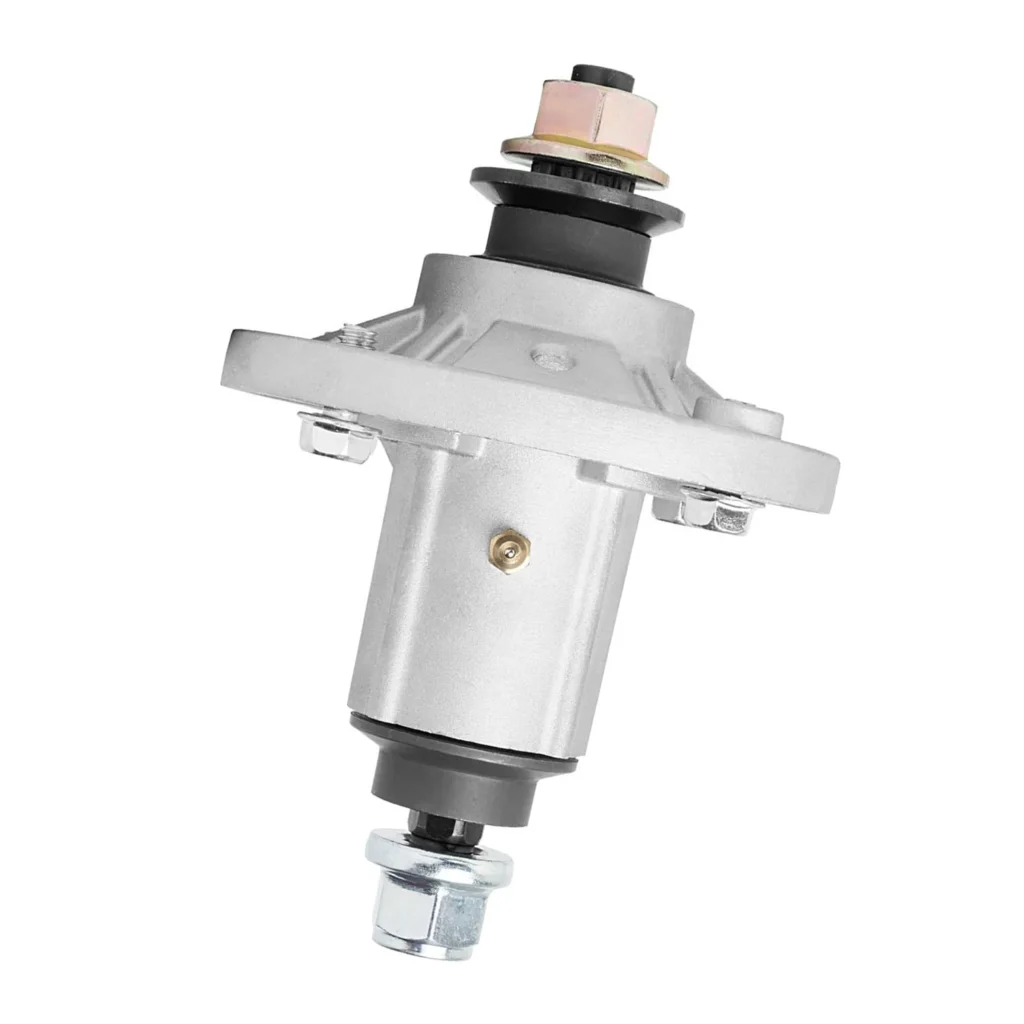
Most John Deere mower deck spindle assemblies wear out in 3–4 seasons. But here's the thing — with proper maintenance, the GY21098 spindle can easily last 6–8 years. The difference? Five minutes after every few mows and one annual deep check.
This spindle assembly (replaces AUC15811, GX21694, GY20454, GY20867, GY20962) is compatible with John Deere D-series (D100–D160), E-series (E100–E170), and LA-series models. It's the component that spins your mower blades at 3,000+ RPM while handling rocks, uneven terrain, and debris impacts.
How Long Should Your Spindle Assembly Last?
Factory specs suggest 500–800 mowing hours, which translates to:
- Residential use (1 acre, weekly): 3–4 seasons
- With maintenance: 6–8 seasons or more
- Commercial/heavy use: 2–3 seasons without care, 4–5 with it
The biggest killers? Grass buildup that traps moisture against bearings, blade imbalance that creates wobble, and running through tall wet grass that overloads the assembly. Each of these is preventable.
Signs Your Spindle Assembly Is Wearing Out
Spindles don't fail suddenly — they give warnings. Here's what to watch for on your D-series or E-series deck:
Grinding or Squealing During Operation
If you hear metal-on-metal grinding or high-pitched squealing from under the deck, the bearings inside the spindle housing are breaking down. This usually starts as a faint noise when you first engage the blades, then gets louder as the bearings deteriorate. At this point, you've got maybe 10–20 more mowing hours before the spindle seizes or the pulley wobbles loose.
Visible Wobble in the Blade
Jack up your mower and grab the blade. Try moving it side-to-side and up-and-down. Any play beyond 1/16 inch means the bearings are shot or the spindle shaft is bent. You'll notice this as vibration in the steering wheel or uneven cut quality — the blade isn't spinning in a true circle anymore.
Excessive Grass Clumping or Uneven Cut
When a spindle starts failing, blade speed drops inconsistently. One section of your lawn looks perfect, another looks ragged. This happens because the compromised bearings create drag, slowing that particular blade relative to the other two spindles. If you've ruled out dull blades and deck level, check spindle play.
Rust Staining Around the Housing
Orange or brown streaks coming from the top bolt area indicate the seals have failed. Moisture is getting in, which means your bearings are running in contaminated grease. Once you see rust stains, you've got one season left at most.
Maintenance Schedule That Actually Works
After Every 3–4 Mows (or Monthly):
Scrape off the grass buildup from around the spindle housing and pulley. Use a putty knife or stiff brush. This takes 90 seconds per spindle but prevents moisture retention that corrodes bearings. Pay special attention to the area where the spindle shaft exits the housing — grass packs in there like cement.
Every 25 Hours (Mid-Season Check):
With the deck removed and blades off, spin each pulley by hand. It should rotate smoothly with no catches, grinding, or side-to-side movement. If you feel roughness, that's bearing wear starting. Also check blade bolt torque — they should be tight at 45–55 ft-lbs. A loose blade creates imbalance that destroys spindles fast.
Annual Pre-Season Inspection:
This is your deep check. Remove the deck, flip it over, and inspect all three spindles:
- Check for cracks in the spindle housing (look near mounting bolt holes)
- Inspect the pulley for wobble or cracks in the hub
- Verify the spindle shaft isn't bent (spin it and watch for runout)
- Clean and inspect the blade adapter — wear here causes blade loosening
- Check belt condition — a failing belt puts extra strain on spindles
If everything checks out, apply a light coat of spray lubricant to the pulley and exposed shaft area. Don't overdo it — too much attracts grass buildup.
When to Replace vs. Maintain
Here's the honest truth: spindle assemblies like the GY21098 are sealed units. You can't repack the bearings. Once they're making noise or showing play, replacement is your only option. The good news? At $43.99, this is a wear item you budget for, not a catastrophic failure.
Replace if:
- You feel any play when wiggling the blade
- You hear grinding, squealing, or clicking sounds
- The pulley wobbles visibly when spinning by hand
- Rust stains have appeared and persisted for 3+ months
- The cut quality is uneven and you've eliminated all other causes
Keep maintaining if:
- Everything spins smoothly and quietly
- No play in any direction
- Cut quality remains consistent
- No rust or seal damage visible
One spindle failure often indicates the others aren't far behind. If one spindle on your D110 or E140 has failed, inspect the other two closely — they've been under the same conditions.
The Biggest Maintenance Mistake
Pressure washing your deck seems smart, but it's the #1 spindle killer. High-pressure water forces past the seals and contaminates the bearings with water and debris. If you must wash, use low pressure and keep the stream away from spindle housings. Better yet, scrape and brush — it's more effective anyway.
What Kills Spindles Early
Hitting objects: Rocks, roots, and landscape edging create sudden shock loads that damage bearings. One solid impact can crack the bearing race internally — it'll fail 50 hours later and you won't connect the dots.
Mowing wet grass: Wet clippings are 3x heavier than dry. They pack around pulleys and create extra drag. Over time, this overheats bearings and breaks down the grease.
Dull or damaged blades: A bent or dull blade creates vibration and imbalance. That constant shaking wears bearings faster than normal operation. Sharpen or replace blades every 25 hours.
Deck not level: If your deck isn't level front-to-back and side-to-side, some spindles work harder than others. The overworked spindles fail early. Check deck level every season.
Frequently Asked Questions
Can I Grease the GY21098 Spindle Assembly?
No. This is a sealed bearing assembly with no grease fittings. The bearings are pre-lubricated and sealed at the factory. Adding grease externally doesn't reach the bearings and just attracts grass buildup. If it needs grease, it needs replacement.
How Do I Know Which Spindle Failed on My John Deere?
Run the mower and listen — the bad spindle will be louder. Or remove the deck, spin each pulley by hand, and feel for roughness or play. The failed one will be obvious compared to the good ones. On most John Deere decks, the center spindle works hardest and fails first.
Will a Failing Spindle Damage My Mower Deck?
If you keep running it, yes. A seized spindle can cause the belt to burn or snap, and the wobbling blade can crack the deck shell or damage the other spindles. Once you hear grinding or see wobble, stop mowing and replace the spindle. Continuing operation turns a $44 repair into a $300+ deck replacement on your D130 or E150.
Element showing wear?
GY21098 · Replace before it fully fails