
How to Extend Your LG Washer Lid Switch Life — Maintenance Guide
Never bypass the lid switch as a permanent solution — it's a critical safety feature that prevents the drum from spinning with the lid open
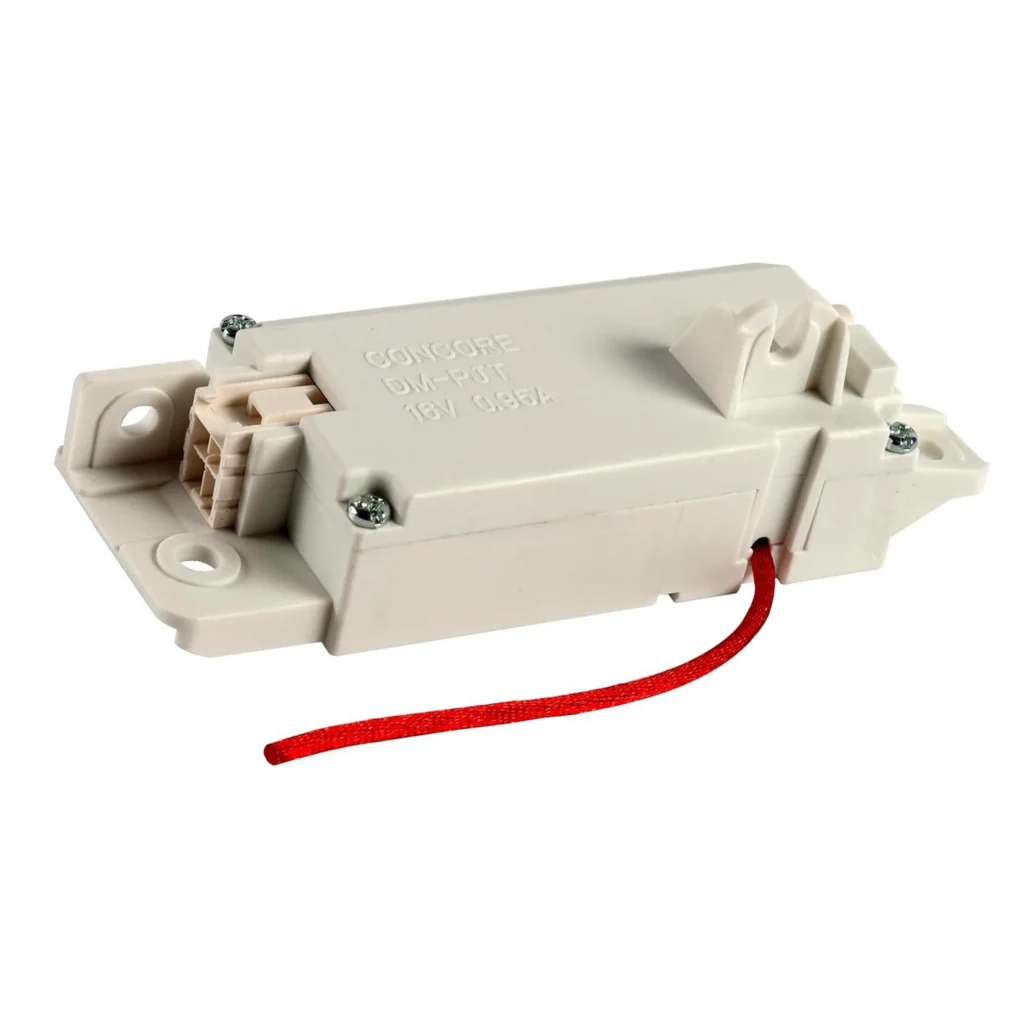
Most LG washer lid switches fail between years 3-5, but I've seen them last 10+ years with proper care. The difference? How you close that lid. The EBF61215202 assembly takes a beating every single load — slam it enough times and you're looking at a $90.99 replacement sooner than necessary.
How Long Should It Last?
Under normal conditions, the EBF61215202 lid switch assembly should last 7-10 years. That's roughly 2,500-3,500 wash cycles. But here's what actually happens: most fail around year 4 because of accumulated impact stress and moisture exposure.
The switch mechanism itself is robust — it's designed to handle the constant open-close cycle. What kills it early is how people treat their washer lids. Every slam sends a shock through the assembly. Over time, the internal contacts wear unevenly, and moisture from steam works its way into the housing.
Models like the WT1501CW and WT1801HWA are particularly sensitive because of their lid weight and hinge design. The heavier the lid, the more stress on the switch assembly with each close.
Signs It's Wearing Out
The lid switch doesn't just fail overnight. It gives you warnings — if you know what to listen for.
Washer Won't Start Even With Lid Closed
You close the lid, press start, and nothing. The control panel lights up, but the drum won't spin. This is the classic first sign. The switch contacts are dirty or slightly misaligned. Sometimes opening and closing the lid firmly a few times temporarily fixes it — that's your warning that replacement is coming soon.
Intermittent Mid-Cycle Stops
The washer starts fine but stops randomly during the spin cycle. You didn't touch the lid, but the machine thinks you did. This happens when the switch mechanism develops internal micro-cracks or the contacts lose their spring tension. It's especially common on WT1201CW and WT1701CV models after year 3.
Lid Feels Loose or Doesn't "Click"
When you close the lid, it should give a definite click. If it feels mushy or you have to press down multiple times to get it to engage, the switch assembly is wearing out. The plastic housing may be cracked, or the internal spring mechanism is failing.
When to Replace vs Maintain
Here's the honest truth: you can't really "fix" a failing lid switch. There's no cleaning solution or adjustment that'll bring back worn contacts. Once you're getting intermittent failures, it's replacement time.
But you can absolutely extend its life before problems start:
Replace immediately if: The washer won't start at all, even after cleaning the switch area. The lid mechanism is physically cracked or broken. You're getting error codes related to lid lock failures on models with electronic controls.
You can maintain it if: Everything works normally. You're just doing preventive care. The lid closes smoothly with a solid click. No intermittent stops or start failures.
The key is catching it before complete failure. Once you're troubleshooting why the washer won't run, you've already missed the maintenance window.
Frequently Asked Questions
Can I bypass the lid switch temporarily?
Technically yes, but don't. The lid switch is a safety feature — it prevents the washer from spinning with the lid open. Bypassing it means you could reach into a spinning drum. Not worth the risk. If it's failed, replace it properly with EBF61215202.
Why does my washer work sometimes but not others?
Intermittent operation means the switch contacts are making connection sometimes but not consistently. Could be corrosion, wear, or a crack in the housing letting moisture in. This is the stage right before complete failure — usually within 2-4 weeks you'll need the replacement part.
Will cleaning the switch fix my problem?
If there's visible lint or debris around the switch mechanism, cleaning can help. Use compressed air and a dry cloth. But if the switch itself is worn internally, cleaning won't fix it. The contacts inside the sealed assembly can't be reached without destroying the part.
Element showing wear?
EBF61215202 · Replace before it fully fails