
How to Extend Your LG Condenser Fan Motor Life — EAU65058313 Maintenance Guide
Always unplug the refrigerator before inspecting or cleaning the condenser fan motor. The fan can start unexpectedly when the compressor cycles on, and exposed electrical terminals carry 120V.
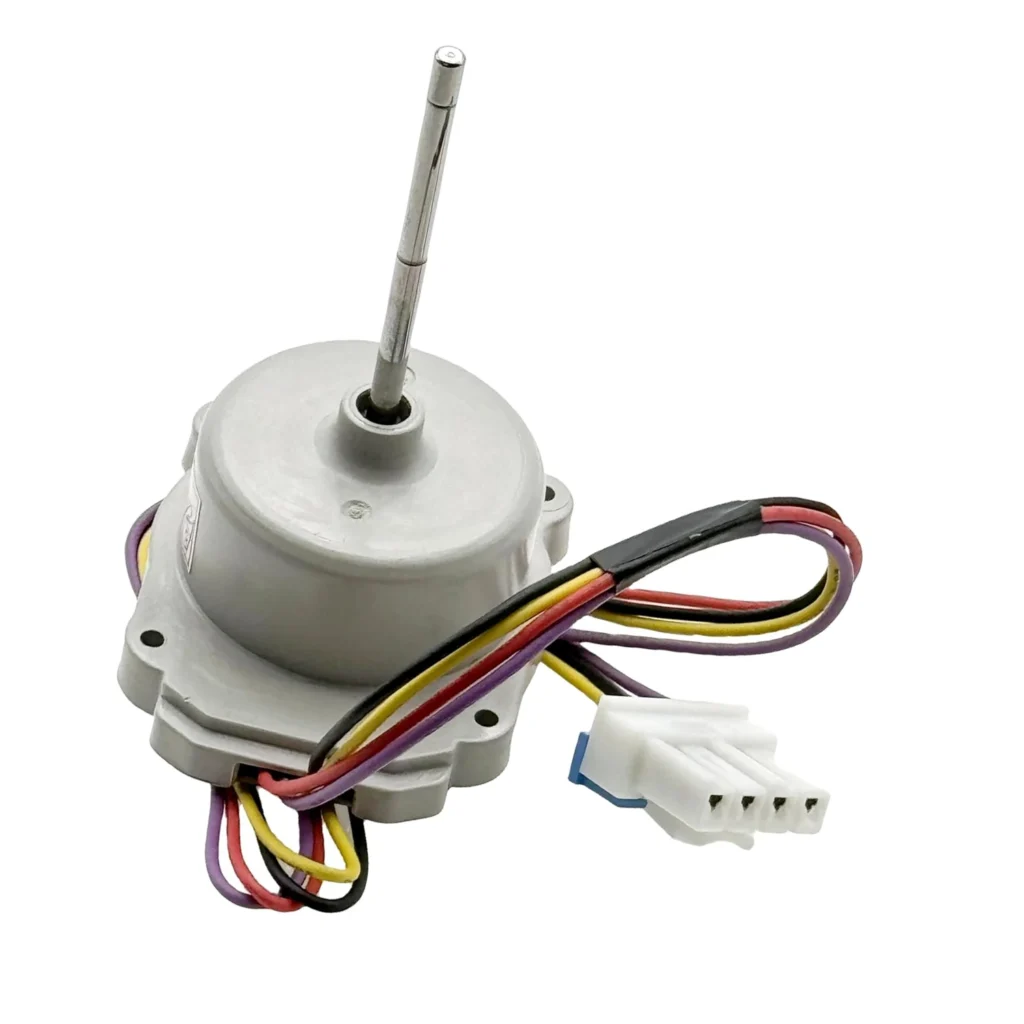
Most LG condenser fan motors fail between years 5 and 8, but I've seen units on models like the LTCS20220S and LBNC15231V push past 12 years with basic maintenance. The difference? They didn't wait until the fridge started cycling constantly or the compressor overheated to pay attention.
Your condenser fan motor (EAU65058313) runs whenever your compressor runs — which means it's spinning thousands of hours every year in a hot, dusty environment behind your refrigerator. It's designed for endurance, but it's not invincible.
How Long Should It Last?
Under normal conditions, the EAU65058313 condenser fan motor should deliver 8–10 years of service. That's assuming your fridge lives in a climate-controlled house with reasonable ventilation and you're not storing it in a garage where temperatures swing 40 degrees between seasons.
What kills these motors early? Three things: dust accumulation on the blades and housing, restricted airflow around the condenser coils, and voltage fluctuations during power surges. I've replaced motors at year 4 that were caked in pet hair and dust so thick you couldn't see the blade profile anymore.
With proactive care — which takes maybe 20 minutes twice a year — you can realistically push this motor to 12–15 years. The bearings will eventually wear out regardless, but you'll delay that day significantly.
Signs It's Wearing Out
Your condenser fan motor will tell you when it's struggling, but you need to know what to listen and look for. These aren't subtle clues once you know what's normal.
Unusual Noise From Behind the Fridge
A healthy condenser fan produces a steady, low hum — barely noticeable from the front of your fridge. When bearings start wearing out, you'll hear grinding, squealing, or a rhythmic clicking sound. If the noise changes pitch or gets louder when the compressor kicks on, that's your fan motor announcing its decline.
Pull the fridge out and listen from behind with the lower rear panel removed. The sound should be consistent. Any wobble, vibration, or intermittent noise means the motor shaft or bearings are compromised.
Compressor Running Hot or Cycling Frequently
Your condenser fan's entire job is cooling the compressor and condenser coils. When it's not spinning at full speed — or not spinning at all — your compressor works harder and runs hotter. You'll notice your fridge runs more often, struggles to maintain temperature, or the compressor housing feels unusually hot to the touch.
Check the compressor temperature carefully (don't burn yourself). It should be warm but not uncomfortable to hold your hand on for a few seconds. If it's too hot to touch, your fan motor isn't doing its job.
Visible Blade Resistance or Slow Startup
With the fridge unplugged, reach back and manually spin the fan blade. It should rotate freely with just slight resistance from the motor's magnetic field. If it's stiff, catches, or feels gritty, the bearings are failing. Sometimes you'll notice the fan takes 2–3 seconds to get up to speed when the compressor starts — that's another red flag.
On models like the LTCS24223S and LTWS24223S, you can usually access the fan without removing much — just the lower rear panel. Spin it every few months as part of your inspection routine.
When to Replace vs Maintain
Here's the honest truth: condenser fan motors aren't field-serviceable. You can't rebuild the bearings or rewind the coils in your kitchen. What you're maintaining is the environment around the motor — keeping it clean, cool, and unobstructed so it lasts as long as mechanically possible.
Replace when you hear grinding noises that don't go away after cleaning, when the motor won't start consistently, or when you measure low or zero voltage output but confirm power is reaching the motor terminals. At $76.99 for the EAU65058313, it's cheaper than a service call and takes under an hour to swap.
Maintain when the motor still runs quietly, spins freely by hand, and your fridge temperatures stay consistent. Your goal is preventing the failure, not fixing it after the fact.
Frequently Asked Questions
How often should I clean my LG condenser fan motor?
Every 6 months minimum, or quarterly if you have pets that shed. Pull the fridge out, remove the lower rear panel, and vacuum the fan blades, motor housing, and condenser coils. Use a soft brush attachment — don't bend the coil fins. This single step prevents 70% of premature condenser fan failures I've seen on LTCS and LRTLS series models.
Can a condenser fan motor fail without making noise?
Absolutely. The motor can seize completely silent, or the capacitor can fail so the motor hums but doesn't spin. You'll notice your fridge running constantly and the compressor getting hot before you hear anything wrong. That's why the manual spin test is critical — unplug the fridge and try rotating the blade by hand every few months.
Will a failing condenser fan damage my compressor?
Yes, and that's an expensive lesson. Your compressor relies on that fan for cooling. Without adequate airflow, the compressor overheats, works harder, and fails years earlier than it should. A $77 fan motor costs a lot less than a $400–600 compressor replacement plus labor. Replace the fan at the first sign of trouble.
Element showing wear?
EAU65058313 · Replace before it fully fails