
How to Extend Your Samsung Dishwasher Mounting Bracket Life — Maintenance Guide
Never operate dishwasher if mounting brackets are loose or missing — tipping hazard when door is open
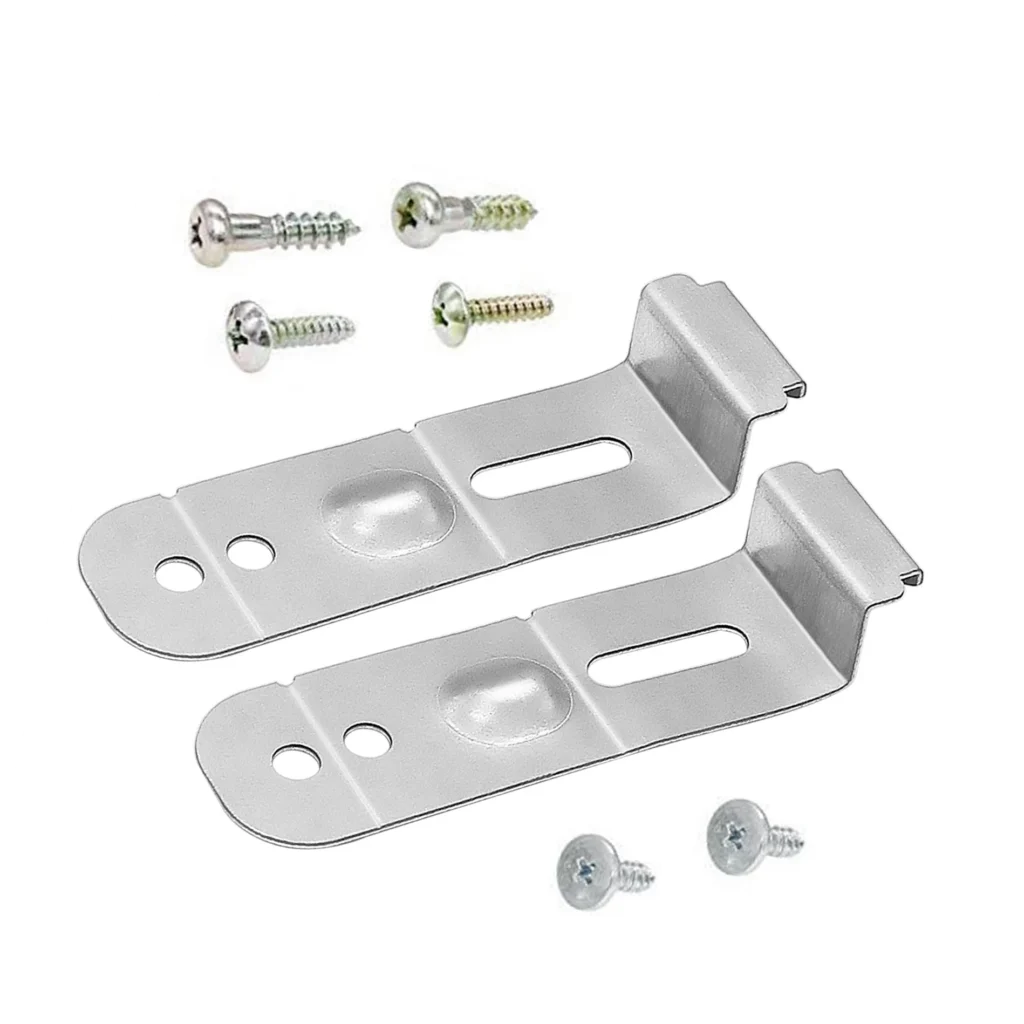
Most homeowners don't think about their dishwasher mounting brackets until they hear that telltale scraping sound or notice their machine has shifted forward. This Samsung DD94-01002A mounting bracket kit — compatible with models like the DW80F600UTB/AA, DW80J3020US/AA, and DW80K5050UW/AA — is designed to last the lifetime of your dishwasher. But that only happens if you catch problems early.
The bracket itself isn't a wear part. It's metal hardware. But the connections, screws, and attachment points? They loosen. They corrode. And when they fail, your dishwasher becomes a 100-pound hazard that can pull away from the counter.
How Long Should It Last?
A properly installed mounting bracket should last 15–20 years — basically the life of your dishwasher. The bracket material itself rarely fails. What does fail:
- Screws work loose from vibration over thousands of wash cycles
- Wood deteriorates where brackets attach to cabinet frames
- Corrosion weakens screw threads in humid environments
- Overtightening during installation cracks mounting points
Most bracket "failures" aren't the bracket at all. They're installation failures that reveal themselves 2–5 years later when the dishwasher starts moving.
Signs It's Wearing Out
Your mounting bracket doesn't wear out gradually. It fails suddenly. But there are warning signs if you know where to look.
The Machine Rocks or Tilts Forward
Open the door and gently pull the top rack toward you. If the entire dishwasher tips even slightly, your mounting brackets aren't doing their job. The brackets attach to the underside of your countertop and prevent exactly this forward tipping motion. On Samsung models like the DW80F800UWS/AA and DW80K7050UG/AA, this bracket mounts with two screws into the granite bracket or wood sub-frame.
Visible Gap Between Dishwasher and Counter
Check the top front edge where your dishwasher meets the countertop. You should see no light, no gap. A gap means the brackets have loosened or the mounting screws have pulled out of the wood. This happens gradually — you might not notice until the gap is a quarter-inch wide.
Rust Stains on Bracket or Mounting Screws
Steam and moisture escape from dishwashers. It's inevitable. When that moisture reaches the mounting brackets, corrosion begins. Surface rust on the bracket itself isn't critical, but rust on the mounting screws means they've lost holding power. Those threads are compromised.
Creaking or Clicking During Wash Cycle
Your dishwasher vibrates during operation. If the mounting brackets are loose, you'll hear movement — subtle clicks, creaks, or tapping sounds that sync with the spray arm rotation. That's metal moving against metal or wood, which means your brackets aren't securing anything.
Maintenance Schedule That Actually Prevents Problems
Mounting brackets don't need cleaning or lubrication. They need inspection and tightening. Here's the realistic schedule:
Every 6 months: Open your dishwasher door fully (so you can see underneath) and shine a flashlight up at the mounting brackets. Look for gaps, looseness, or corrosion. Try to wiggle the brackets by hand — they shouldn't move at all.
Annually: Use a screwdriver to check the tightness of the mounting screws. Don't overtighten — just snug them down. If a screw spins without tightening, the wood is stripped. You'll need to relocate the bracket slightly or use larger screws with wall anchors.
During any dishwasher service: Whenever a technician works on your machine, ask them to check the brackets. Takes 30 seconds and catches problems before they become emergencies.
When to Replace vs Maintain
Replace the DD94-01002A bracket kit if:
- The bracket itself is bent or cracked (rare, but happens if something falls on it)
- Screw holes are stripped and can't be relocated
- Visible rust has thinned the metal significantly
- You're reinstalling the dishwasher after a kitchen remodel
Maintain (don't replace) if:
- Screws are just loose but re-tighten properly
- Surface rust only — no structural weakness
- Bracket is intact but needs repositioning
At $12.99, this isn't an expensive part. If you have any doubt about structural integrity, replace it. A falling dishwasher causes way more than $13 in damage.
Why This Matters for Samsung Models Specifically
Samsung dishwashers in the DW80F, DW80J, and DW80K series have a unique cabinet design that puts more stress on the mounting brackets than older models. The control panel and door assembly are heavier, and the center of gravity shifts forward when you load the bottom rack. That's why checking these brackets matters more on models like the DW80J3020UB/AA and DW80K5050UG/AA than on older machines.
The DD94-01002A kit includes both brackets and the hardware you need. It replaces older part numbers AP4450818, PS4222710, and 2077601. If you're buying a used Samsung dishwasher or inheriting one in a new home, check these brackets first. It's the easiest dishwasher maintenance you'll ever do.
Frequently Asked Questions
Can I reuse the original mounting screws?
Only if they're not corroded and the threads are clean. The DD94-01002A kit includes new screws for a reason — old screws lose holding power even if they look fine. If you're reinstalling the same brackets in the same holes, original screws might work. But if you're replacing brackets or moving to new mounting points, use the new hardware included in the kit.
What if my countertop is granite with no wood to screw into?
Samsung dishwashers installed under granite use a metal bracket called a granite bracket or stone bracket that the mounting kit attaches to. The DD94-01002A brackets screw into this intermediate metal bracket, not directly into stone. If you don't have this bracket system, you'll need to install one — you cannot screw directly into granite without cracking it.
How tight should the mounting bracket screws be?
Snug, not stripped. You want firm contact with no movement, but overtightening splits wood or strips threads. Hand-tighten with a screwdriver until you feel resistance, then give it a quarter turn more. If you're using a drill, set the clutch to a low setting. The bracket shouldn't move when you try to wiggle it, but the screws shouldn't be groaning in the wood.
Element showing wear?
DD94-01002A · Replace before it fully fails