
How to Extend Your Samsung Dishwasher Dispenser Life — DD81-02628A Maintenance Guide
Always unplug dishwasher and shut off water supply before inspecting or servicing the dispenser assembly. Rinse aid is caustic — wear gloves and avoid skin contact.
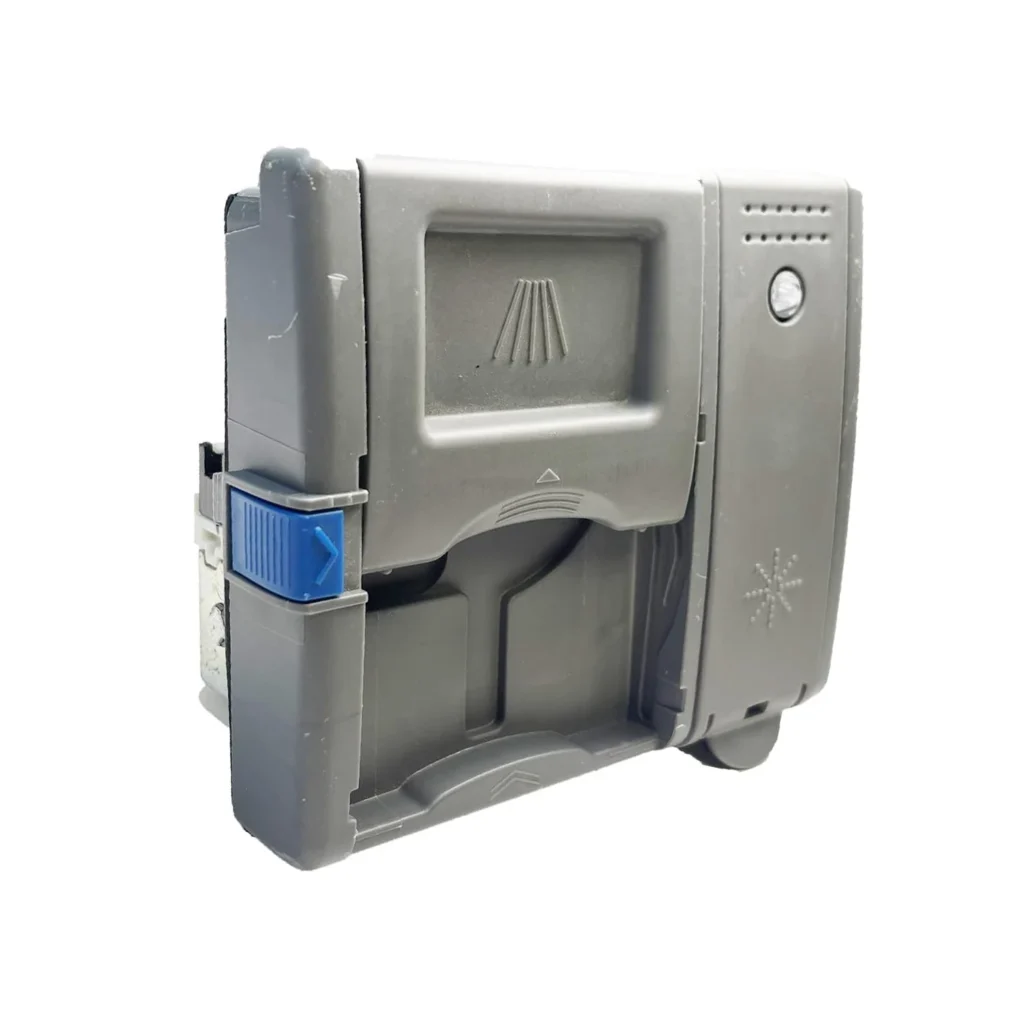
Most Samsung dishwasher dispenser assemblies like the DD81-02628A should last 8-10 years. In reality, many fail around year 5 — usually from something completely preventable. At $206.99 for a replacement, understanding what kills these dispensers early can save you serious money.
The DD81-02628A dispenser assembly does two critical jobs: releases detergent at the right cycle moment and dispenses rinse aid throughout the wash. When either function fails, you'll see cloudy glasses, soap residue on dishes, or the dispenser door hanging open after a cycle. Most problems trace back to detergent buildup, hard water deposits, or mechanical wear from using the wrong products.
How Long Should the DD81-02628A Last?
Under normal conditions with proper care, this dispenser assembly typically lasts 8-10 years. That matches the average lifespan of your Samsung dishwasher models like the DW80M2020US, DW80N3030US, and DW80R2031US series.
With diligent maintenance — monthly cleaning and using recommended detergents — you can push that to 10-12 years. The primary factors affecting lifespan:
- Water hardness — Hard water accelerates mineral buildup in the rinse aid chamber and around the detergent door mechanism
- Detergent type — Gel detergents leave more residue than powder or pods, gumming up the release mechanism faster
- Rinse aid quality — Cheap rinse aids can leave sticky deposits that interfere with the dispenser valve
- Usage frequency — Running your dishwasher daily actually helps by preventing detergent from hardening in the cup
- Temperature settings — Using cooler wash cycles means detergent doesn't fully dissolve, leaving residue
The electronic components — the timer and actuator that opens the dispenser door — rarely fail on their own. It's almost always the mechanical parts that stick, corrode, or crack from chemical exposure and mineral deposits.
Signs Your Dispenser Assembly Is Wearing Out
Catching dispenser problems early means you might clean and restore function instead of replacing the entire assembly. Here's what to watch for:
Detergent Door Won't Open or Stays Closed
You'll find the detergent cup still full after a cycle completes, or the door feels stuck when you try to close it. This happens when dried detergent cements the latch mechanism. With the DD81-02628A, the spring-loaded door release gets gummed up first — you'll notice it requires extra force to click shut.
Check the latch area with a flashlight. White or clear crusty buildup around the door edges means detergent residue is interfering with the mechanism. If you see brown or orange staining, that's rust forming where moisture and detergent chemicals have worn through the protective coating.
Rinse Aid Leaks or Won't Dispense
Your rinse aid reservoir empties too quickly — refilling weekly instead of monthly — or you notice a film of liquid on the inside of the door when you open the dishwasher mid-cycle. The DD81-02628A uses a small valve to meter rinse aid release. When this valve fails, rinse aid either dumps all at once or doesn't dispense at all.
You'll also see this as spotting on glassware that wasn't there before, or water beading up on dishes instead of sheeting off. That's your first clue the rinse aid isn't dispensing properly, even if the reservoir still has product in it.
Visible Cracks or Brittle Plastic
The dispenser housing takes constant exposure to hot water, steam, and harsh chemicals. Over time, especially on dishwashers 6+ years old, the plastic becomes brittle. You'll notice small cracks around the mounting points or along stress lines where the dispenser flexes during operation.
Press gently on the detergent cup — if it flexes more than it used to or makes a creaking sound, the plastic is degrading. Once cracks start, they spread quickly because water seeps in and accelerates deterioration. Any crack that goes through the wall means it's time to replace, not repair.
Inconsistent Detergent Release
Some cycles your dishes come out perfectly clean, others have undissolved detergent clumps or soap residue. This intermittent failure points to a sticking mechanism — the door opens sometimes but not always. Temperature affects this too. If it works fine on hot cycles but fails on normal or eco modes, the spring tension has weakened and only opens reliably when heat expands the metal slightly.
Monthly Maintenance Checklist
Spending five minutes monthly on these tasks will add years to your DD81-02628A dispenser:
Clean the detergent cup. Remove any visible detergent residue with a damp cloth. For built-up deposits, use an old toothbrush dipped in white vinegar — the acid dissolves alkaline detergent without damaging plastic. Pay special attention to the latch mechanism and door edges where residue accumulates.
Flush the rinse aid chamber. Even if your reservoir isn't empty, remove the cap and check for cloudiness or sediment. If you see anything other than clear blue liquid, drain it completely and refill with fresh rinse aid. Contaminated rinse aid won't dispense properly and can clog the metering valve.
Inspect door spring tension. Close the detergent door and note how much force it takes to click shut. If it's gotten easier over time, the spring is weakening. Test by gently pressing on the closed door — it shouldn't flex or feel loose. Any play in the mechanism means it's time for preventive replacement before it fails mid-cycle.
Check for leaks. Run your hand along the bottom of the dispenser after a cycle. Any moisture means a seal is compromised or the housing has developed a crack. Catching leaks early prevents water damage to the electronic components behind the dispenser.
When to Replace vs. Maintain
Here's the honest breakdown. If your dispenser shows any of these, replacement makes more sense than continued maintenance:
- Visible cracks in the housing, especially around mounting holes
- Rinse aid chamber won't hold a seal — it leaks regardless of how carefully you fill it
- Detergent door requires force to close or pops open randomly
- You've cleaned thoroughly but detergent still doesn't dispense consistently
- The plastic has become discolored or brittle to the touch
The DD81-02628A is a complete assembly — dispenser housing, rinse aid chamber, detergent cup, and electronic actuator all in one unit. You can't repair individual components. Once the mechanical parts fail, the entire assembly needs replacement.
However, if you're just dealing with buildup and residue, aggressive cleaning can restore full function. Use a descaling solution designed for dishwashers, soak removable parts in white vinegar overnight, and scrub with a soft brush. I've seen dispensers that looked completely shot come back to life after a thorough cleaning.
Your decision point: if the plastic structure is intact and the door mechanism still has good spring tension, clean it. If you see structural damage or mechanical failure, order the replacement. At $206.99, it's not cheap, but it beats constantly cleaning a failing part or dealing with poorly washed dishes.
Product-Specific Care for DD81-02628A
This Samsung dispenser assembly works across dozens of models — DW80M2020US, DW80N3030UB, DW80R2031US, and many others. All share the same vulnerabilities:
Don't overfill the detergent cup. Samsung dishwashers are efficient. They need less detergent than you think. Overfilling means excess detergent doesn't rinse away completely, leaving residue that hardens in the cup and on the door mechanism. Use the fill lines as maximums, not suggestions.
Use powder or pods, not gel. Gel detergents are convenient but leave the most residue in this dispenser design. The DD81-02628A's spring mechanism sits exposed to whatever detergent you use. Gel coats everything. Powder dissolves cleaner, and pods contain less filler material.
Run hot cycles monthly. Even if you normally use eco or normal mode, run one hot cycle monthly with an empty dishwasher. Add a cup of white vinegar to the bottom of the tub. This flushes the dispenser mechanism with hot acidic water that dissolves any hidden buildup before it hardens.
Keep the rinse aid reservoir full. Letting it run completely empty allows air into the metering valve, which can trap detergent residue when you refill. Keep the reservoir at least half full, and you'll get more consistent dispensing and fewer valve problems.
Frequently Asked Questions
How often should I replace the DD81-02628A dispenser assembly?
With proper maintenance, expect 8-10 years from this dispenser on Samsung dishwashers. If you have hard water and don't use rinse aid regularly, that drops to 5-7 years. The detergent door mechanism typically fails first — you'll notice it sticking or not opening consistently. Once you see mechanical issues like weak spring tension or a door that won't latch properly, plan to replace within the next few months before it fails completely.
Can I use any detergent with this Samsung dispenser?
Technically yes, but powder detergents or single-dose pods work best with the DD81-02628A design. Gel detergents leave more residue that accumulates in the cup and around the door mechanism. High-efficiency (HE) formulas are essential — regular dishwasher detergent produces too many suds and doesn't rinse clean. Avoid any detergent marketed as "oxygenated" or "extra strength" unless specifically labeled for dishwashers, as these often contain fillers that gunk up the dispenser faster.
Why does my rinse aid disappear so quickly?
If you're refilling the rinse aid reservoir more than once a month, the metering valve is likely stuck open or the housing has developed a crack. First, check the dispenser setting — Samsung dishwashers have an adjustable rinse aid dial (usually 1-5). If it's set above 3, you're dispensing more than necessary. Dial it back to 2 or 3 and monitor consumption for two weeks. If it still empties too fast, inspect the cap seal and look for cracks in the reservoir. Any visible damage means the entire DD81-02628A assembly needs replacement.
Element showing wear?
DD81-02628A · Replace before it fully fails