
How to Extend Your Samsung Dishwasher Dispenser Life — DD59-01002A Maintenance Guide
Always disconnect power to your dishwasher before inspecting or cleaning the dispenser assembly. Never force the detergent door open or closed — you'll crack the housing. Avoid contact with eyes if cleaning dried detergent residue.
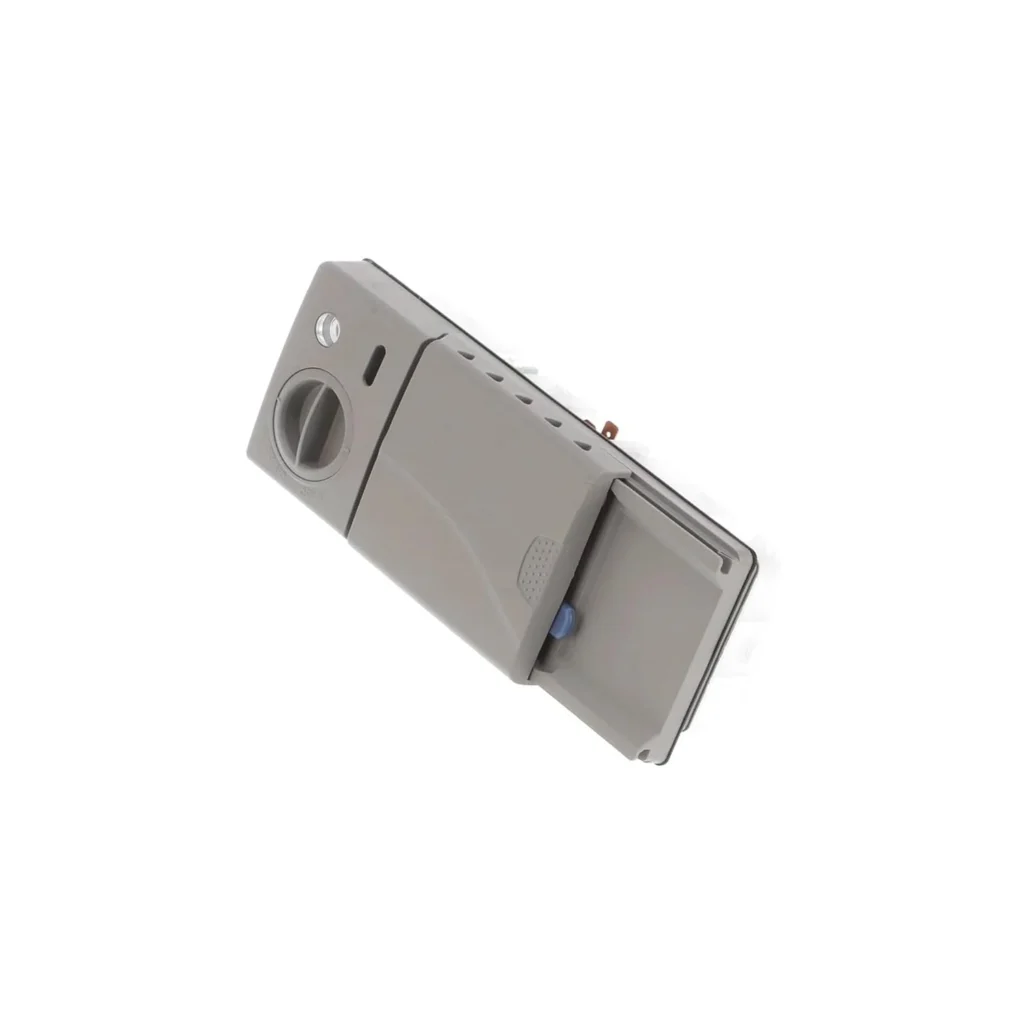
Here's something most people don't realize: the detergent and rinse aid dispenser assembly in your Samsung dishwasher (part DD59-01002A) should last 8–10 years under normal use. But the average replacement happens around year 5 or 6. That's $146.99 you're spending way earlier than necessary — usually because of simple maintenance mistakes that take less than five minutes to fix.
The dispenser assembly handles every wash cycle, releasing detergent at precisely the right moment and dispensing rinse aid to prevent water spots. It's working harder than almost any other component in your dishwasher, yet it's one of the most neglected parts when it comes to routine care.
How Long Should It Last?
Under ideal conditions, the DD59-01002A dispenser assembly should last the lifetime of your dishwasher — we're talking 10–12 years or more. But that's in a world where you're using the right detergent, cleaning residue regularly, and not overfilling the compartments.
In reality, most dispensers fail between years 5 and 7. The culprit? Detergent buildup that hardens around the release mechanism, calcium deposits from hard water that jam the rinse aid valve, or physical stress from overfilling that cracks the housing over time.
Your Samsung models — whether you've got a DW80H9930US, DW80J7550US, DW80K5050US, or any of the compatible units — all use this same dispenser design. That means the maintenance approach is identical across the board.
Signs It's Wearing Out
The dispenser doesn't just fail overnight. It'll give you warnings weeks or even months in advance if you know what to watch for.
Detergent Door Won't Open During Cycle
You open your dishwasher after a cycle and find the detergent still sitting in the closed compartment. This happens when detergent residue builds up around the spring-loaded door mechanism, preventing it from releasing. Sometimes it's just stuck — other times the spring itself has weakened from corrosion.
Try this: manually open the door and feel for resistance. If it's sticky or catches at certain points, you've got buildup that needs cleaning before the mechanism fails completely.
Rinse Aid Leaking or Not Dispensing
Your dishes come out with water spots even though the rinse aid reservoir shows full. Or worse — you find blue liquid pooling at the bottom of your dishwasher. The rinse aid valve inside the dispenser assembly uses a small rubber seal that degrades over time, especially if you're using cheap or off-brand rinse aids with harsh additives.
This one's tricky because a slow leak might evaporate during the heated dry cycle, so you won't see it. The tell? Your rinse aid empties way faster than it should, or you smell that distinct rinse aid scent when you open the door mid-cycle.
Cracks in the Dispenser Housing
Check the edges of the detergent compartment for hairline cracks, especially near the hinge point. These develop when people jam in detergent pods that are too large or force the door closed with hardened detergent in the way. Once plastic cracks, it's game over — the part needs replacement because water will seep into the electrical components behind it.
Wax Motor Failure (Detergent Door Issue)
The DD59-01002A uses a wax motor to trigger the detergent door release. When your dishwasher sends power to this motor during the wash cycle, the wax expands and pushes a pin that unlocks the door. If the motor fails, the door stays locked no matter what.
You'll know it's the wax motor (and not just buildup) if cleaning doesn't help and you hear the dishwasher complete its cycle normally — it's just not releasing detergent. This is an internal failure that requires replacement of the entire assembly.
When to Replace vs Maintain
Let's be honest about when you can save this part and when you're throwing good money after bad.
Maintain it if:
- The door sticks but still opens manually without force
- You see white or clear buildup around the compartments but no cracks
- The rinse aid cap seals properly when you tighten it
- The dispenser housing shows no visible damage
Replace it if:
- You find any cracks in the plastic housing (even small ones)
- The detergent door won't open even after thorough cleaning
- Rinse aid leaks no matter how carefully you fill it
- The door opens at the wrong time during the cycle (wax motor timing failure)
- You see corrosion on the metal components or wiring connections
Here's the hard truth: at $146.99, this isn't a cheap part. But if you're seeing multiple symptoms or any structural damage, maintenance won't fix it. A failing dispenser won't clean your dishes properly, which means you're running extra cycles and wasting water and electricity. Sometimes replacement is actually the economical choice.
Frequently Asked Questions
Can I Use Vinegar to Clean the Dispenser Assembly?
Yes, but with a major caveat. White vinegar works great for dissolving detergent buildup and calcium deposits — but never pour it directly into the rinse aid compartment. The acidity can degrade the rubber valve seal over time. Instead, dampen a cloth with diluted vinegar (50/50 with water) and wipe down the exterior compartments and door mechanism. For the rinse aid compartment, stick with warm water and a soft brush.
How Often Should I Clean My Dishwasher Dispenser?
If you've got hard water, clean it monthly. Moderate water hardness? Every two months. Soft water and you're using quality detergent? Quarterly is fine. The real answer depends on your usage — if you run your dishwasher daily with heavy soil loads, lean toward monthly cleanings regardless of water hardness. Check it visually each month and clean when you see white residue starting to form.
Does Using Pods vs Powder Affect Dispenser Lifespan?
Pods are generally easier on the dispenser because they don't leave the same crusty residue that powder does. But — and this is important — you need to use pods that actually fit in your Samsung's detergent compartment without forcing the door. Oversized pods stress the hinge mechanism and can crack the housing. Powder detergent works fine if you're religious about cleaning residue and never overfill past the fill line. Liquid detergent is hardest on the dispenser because it can seep into small crevices and gum up the release mechanism if it's not dispensed completely.
Element showing wear?
DD59-01002A · Replace before it fully fails