
How to Extend Your Samsung Dishwasher Dispenser Life — DD59-01001A Maintenance Guide
Always disconnect power to your dishwasher before performing any maintenance on the dispenser assembly. Do not use abrasive cleaners that can scratch or damage plastic components.
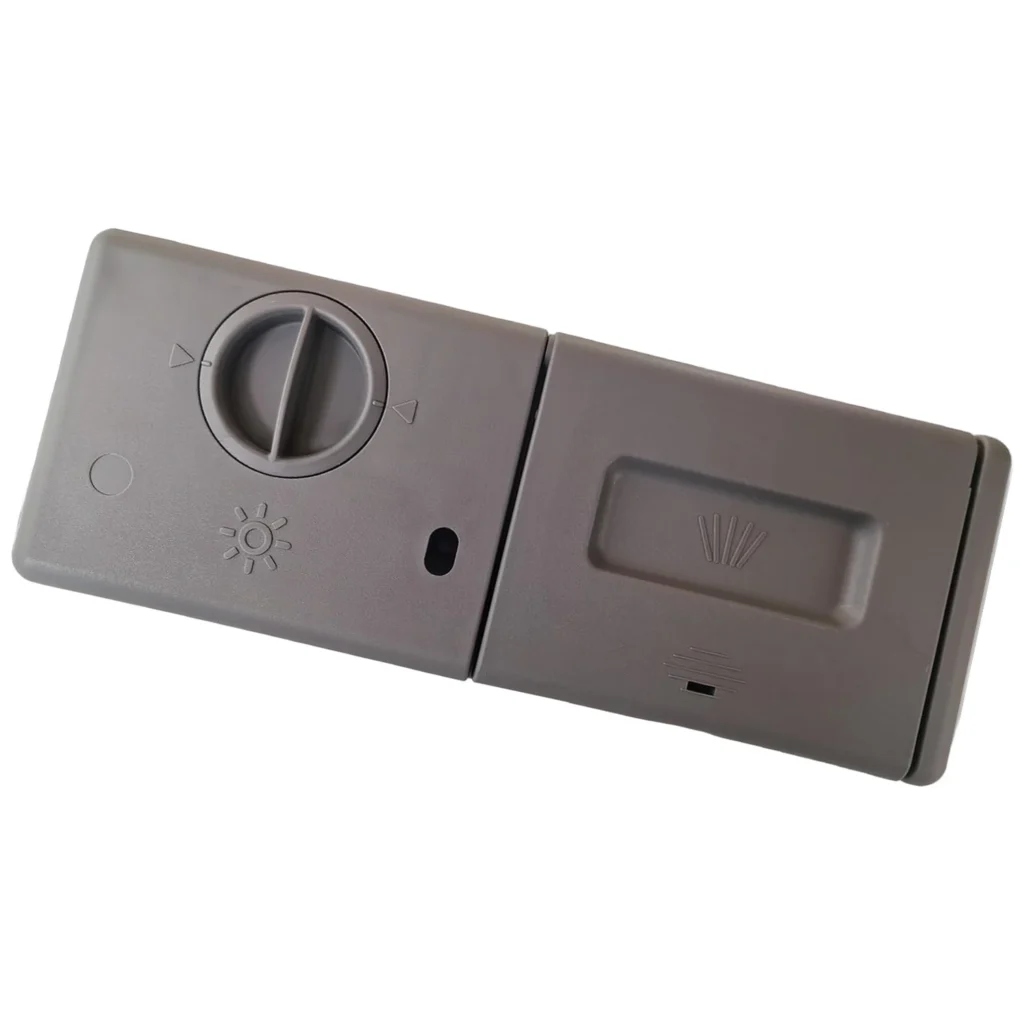
Here's something most people don't realize: the detergent and rinse aid dispenser in your Samsung dishwasher (part DD59-01001A) should last 7–10 years, but most fail around year 4 or 5. The culprit? It's not wear and tear from normal use—it's buildup, clogs, and one simple maintenance step that almost nobody does.
This dispenser assembly handles every wash cycle, releasing detergent and rinse aid at precise times. When it works properly, your dishes come out spotless. When it doesn't, you'll notice residue, cloudy glasses, or detergent tablets that don't dissolve. And at $105.99 for a replacement, it's worth the five minutes every month to keep this thing running smoothly.
How Long Should It Last?
The DD59-01001A dispenser assembly is built for approximately 2,500–3,500 wash cycles. If you run your dishwasher once daily, that's 7–10 years of service life. But that's under ideal conditions—meaning clean water, proper detergent amounts, and regular maintenance.
What actually affects lifespan:
- Hard water: Mineral deposits clog the release mechanisms and rinse aid nozzles, cutting lifespan in half
- Wrong detergent type: Gel detergents leave more residue than powder or pods
- Overfilling: Using too much detergent creates buildup that gums up the actuator
- Temperature fluctuations: Extreme heat can warp the plastic housing over time
Models like the DW80F600UTB, DW80J3020US, and DW7933LRAWW all use this same dispenser design. If you're getting 5+ years without issues, you're doing something right.
Signs It's Wearing Out
The dispenser doesn't just fail overnight. It gives you warnings—you just need to know what to look for. Here's what happens as this part starts to decline:
Detergent Cup Won't Open Fully
You'll open the dishwasher after a cycle and find the detergent door partially closed, with undissolved detergent stuck inside. This happens when the spring-loaded latch mechanism gets sticky from soap residue or when hard water deposits interfere with the actuator. At first it's occasional—maybe one out of every ten cycles. Then it becomes consistent.
Early stage: wipe down the latch area and hinges with white vinegar. If that fixes it temporarily, you've caught it early enough for preventive maintenance.
Rinse Aid Leaks or Won't Dispense
The rinse aid compartment develops cracks around the fill cap or the dispenser valve gets clogged. You'll notice your rinse aid level drops faster than it should (leaking) or doesn't drop at all (clogged). Sometimes you'll see a puddle of blue liquid at the bottom of your dishwasher after a cycle.
Check the fill cap seal—it's a common weak point. If it's brittle or cracked, rinse aid will seep past it even when the cap is screwed tight.
Cloudy Film on Dishes and Glassware
When the dispenser fails to release rinse aid properly, dishes don't dry correctly and develop a white, chalky film. People often blame their detergent or water quality, but it's actually the rinse aid dispenser valve sticking closed. The cycle completes, but without rinse aid, water beads up instead of sheeting off.
Test this: manually add rinse aid to the bottom of your empty dishwasher and run a rinse cycle. If your dishes come out clear, the dispenser is your problem.
Monthly Maintenance That Actually Works
This isn't complicated. You don't need special tools or products—just consistency.
After every 15–20 cycles (roughly monthly):
- Open the detergent dispenser door and wipe the entire compartment with a damp cloth—get into the corners where detergent hardens
- Check the rinse aid cap seal for cracks or brittleness
- Run an empty cycle with 2 cups of white vinegar in the bottom (not in the dispenser)—this dissolves mineral deposits throughout the system
- Inspect the dispenser door spring and latch for sticky residue
Every 3 months: Remove the lower spray arm and check the area around the dispenser actuator (bottom right of the tub interior). You're looking for detergent buildup that might block the actuator cam. Wipe it clean.
Twice a year: Empty your rinse aid completely, wipe out the reservoir with a vinegar-soaked cloth, let it air dry for 10 minutes, then refill. This prevents the residue buildup that clogs the dispensing valve.
When to Replace vs Maintain
Be honest with yourself: some things can't be fixed with cleaning.
You can maintain it if: The dispenser door opens and closes smoothly, there are no cracks in the housing, rinse aid dispenses (even if inconsistently), and cleaning improves performance.
You need to replace it if: The dispenser door is cracked or broken, the actuator arm is snapped, rinse aid is leaking from cracks in the reservoir, the latch mechanism is physically damaged, or cleaning doesn't improve performance at all.
Here's the reality: if your dispenser is physically broken, no amount of maintenance will fix it. But if it's just gunked up from years of use, 20 minutes of cleaning can buy you another 2–3 years. The DD59-01001A replacement runs $105.99, so it's worth trying maintenance first.
Also consider replacement if your Samsung dishwasher is 8+ years old and you're starting to see other issues. At that point, the dispenser might be the first of several components reaching end-of-life.
What Kills Dispensers Faster Than Anything
I've seen this part fail prematurely for three specific reasons:
Using gel detergent exclusively. Gel leaves a waxy residue that powder and pods don't. It coats the dispenser mechanism and interferes with the release timing. If you prefer gel, at least run a vinegar cycle monthly.
Overfilling the rinse aid reservoir. People think more is better—it's not. Overfilling puts pressure on seals and causes leaks. Fill to the line, not above it.
Never cleaning the dispenser. Most people clean their dishwasher filter regularly but completely ignore the dispenser. That's like changing your car's oil but never checking the coolant. Both matter.
Frequently Asked Questions
Can I clean the dispenser without removing it?
Yes, and you should. Open the door, wipe down all surfaces, and run vinegar cycles. You only need to remove the DD59-01001A assembly if there's physical damage or if cleaning doesn't solve performance issues. For routine maintenance, external cleaning is sufficient.
How do I know if my rinse aid is actually dispensing?
Fill the rinse aid reservoir, note the level, then run three normal cycles. Check the level again—it should be noticeably lower. If it hasn't moved, your dispenser valve is stuck closed. Another test: place a small piece of colored tape inside the rinse aid compartment (not blocking anything). If it's still dry after a cycle, nothing is dispensing.
Will using dishwasher cleaner tablets prevent dispenser problems?
Partially. Those tablets clean the interior tub and spray arms, which helps overall, but they don't specifically target the dispenser mechanism. White vinegar cycles are more effective for the dispenser itself because vinegar directly dissolves the mineral deposits and soap residue that cause problems. Use dishwasher cleaner tablets for general maintenance, but add vinegar cycles specifically for dispenser care.
Element showing wear?
DD59-01001A · Replace before it fully fails