
How to Extend Your Samsung Dryer Lint Filter Life — DC97-16013A Maintenance Guide
Never run dryer without lint filter installed — fire hazard and component damage risk
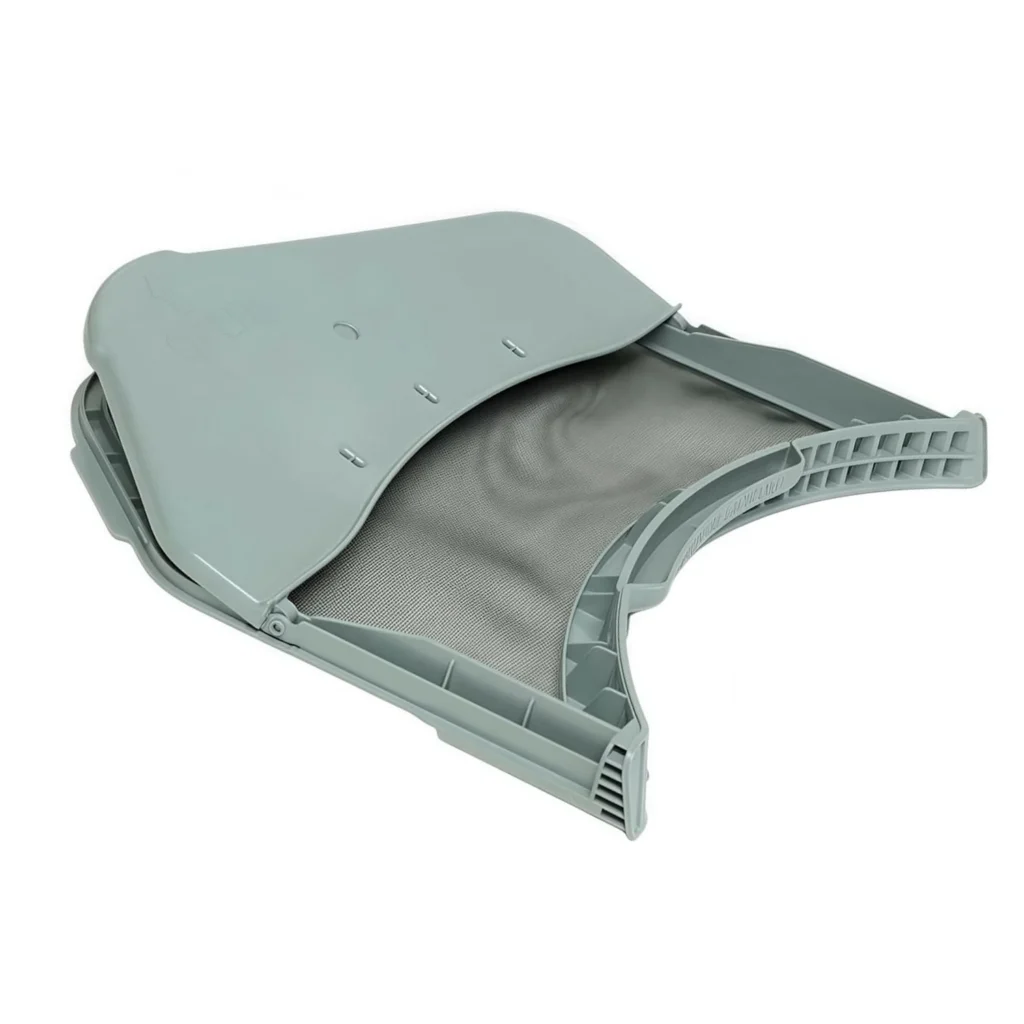
Here's something most people don't realize: the lint filter in your Samsung dryer (like the DC97-16013A assembly) should last 8-10 years, but most homeowners replace them every 3-4 years because they've degraded from improper care. That's throwing away $80 unnecessarily.
This filter assembly—compatible with Samsung models like the DV210AEW, DV220AEW, DV330AEW series, and several Kenmore dryers—does more than catch lint. It protects your heating element, prevents fires, and keeps drying times normal. Let's talk about keeping it working properly.
How Long Should It Last?
Under normal use with proper maintenance, the DC97-16013A lint filter assembly should last 8-10 years. The mesh screen itself is durable stainless steel. What fails first isn't usually the screen—it's the plastic housing that cracks from heat stress, or the mesh that gets clogged with residue you can't see.
Three things kill these filters early:
- Fabric softener buildup — Creates an invisible film that blocks airflow even when the screen looks clean
- Heat damage to plastic housing — Running the dryer when lint-clogged generates excessive heat that warps the frame
- Rough handling — Dropping or forcing the filter back in place cracks the mounting tabs
If you clean it properly and handle it gently, you'll get the full decade. Most people don't.
Signs It's Wearing Out
Your lint filter will tell you when it's struggling. You just need to know what to look for beyond the obvious lint accumulation.
Clothes Take 50%+ Longer to Dry
If your normal load now needs two full cycles instead of one, the filter mesh is probably coated with invisible residue. Hold it up to a light—if you can't see through most of the mesh clearly, it's partially blocked. This happens even when you clean lint off after every load. Dryer sheets and liquid fabric softener leave a waxy film that accumulates over months.
The Plastic Housing Has Visible Cracks
Check the frame around the mesh, especially near the handle and mounting points. Small stress cracks start appearing after 4-5 years. They're often hairline at first. Once they reach the corners, the whole assembly becomes weak and can break apart when you pull it out. This happens faster if you've run the dryer with a clogged filter—the extra heat accelerates plastic degradation.
Lint Escapes Around the Edges
If you're finding lint inside the dryer drum or around the filter housing when you pull it out, the seal has deteriorated. The foam or rubber gasket that runs around the filter frame compresses over time. When it loses its springiness, lint bypasses the filter entirely and gets into your blower wheel and heating assembly. That's a $300 repair waiting to happen.
The Screen Mesh Has Holes or Tears
Rare, but it happens. Usually from accidentally catching something sharp (like a wire from a bra) or forcing the filter back into place when it's misaligned. Even a small tear means lint is getting through to your vent system.
When to Replace vs Maintain
Here's the decision framework:
Maintain if: The plastic housing is intact, the mesh has no tears, and proper cleaning restores airflow. Most filters fall into this category—they just need better care.
Replace if: Any cracks in the plastic frame (they'll only get worse), any holes in the mesh screen, the filter doesn't sit flush anymore (warped housing), or if cleaning with hot soapy water doesn't restore airflow.
Do the water test: pour water through a clean filter. It should flow through freely. If water pools or drains slowly, you've got irreversible buildup and need the DC97-16013A replacement assembly.
One more thing—if your dryer is taking longer to dry and you've been using dryer sheets regularly, try this before buying a new filter: soak the current one in hot water with a tablespoon of dish soap for 10 minutes, then scrub gently with a soft brush. Rinse thoroughly. You'll be shocked how much invisible gunk comes off. This alone can restore drying performance.
Frequently Asked Questions
Can I run the dryer without the lint filter temporarily?
Absolutely not. Even one load without the filter sends lint directly into your dryer's blower wheel and heating element. You risk overheating, component failure, and legitimate fire hazard. If your filter breaks, order the DC97-16013A immediately and don't use the dryer until it arrives. A few days of air-drying laundry beats a house fire or a $400 repair bill.
How often should I deep-clean the filter beyond removing lint?
Once a month if you use dryer sheets or liquid fabric softener. Every 3 months if you don't. The deep clean is simple: hot water, dish soap, soft brush, rinse completely, air dry before reinstalling. This removes the invisible film that blocks airflow. Takes 5 minutes and extends filter life by years.
Will an aftermarket lint filter work as well as the original Samsung part?
Yes, if it's a quality replacement like the DC97-16013A assembly that matches OEM specs. The mesh density, frame dimensions, and gasket seal need to be identical. The part we're discussing here (which also replaces AP4559595, DC97-16013B, and PS4221239) is built to the same specifications and works with Samsung models DV210AEW, DV220AEW, DV330AEW, DV331AER series and compatible Kenmore models. It catches the same particle sizes and seals the same way. Just avoid the ultra-cheap alternatives that use looser mesh—they let smaller particles through.
Element showing wear?
DC97-16013A · Replace before it fully fails