
How to Extend Your Samsung Door Boot Spring Clamp Life — Maintenance Guide
Always unplug washer before inspecting or maintaining door boot clamp. Metal clamp edges can be sharp — wear gloves when handling.
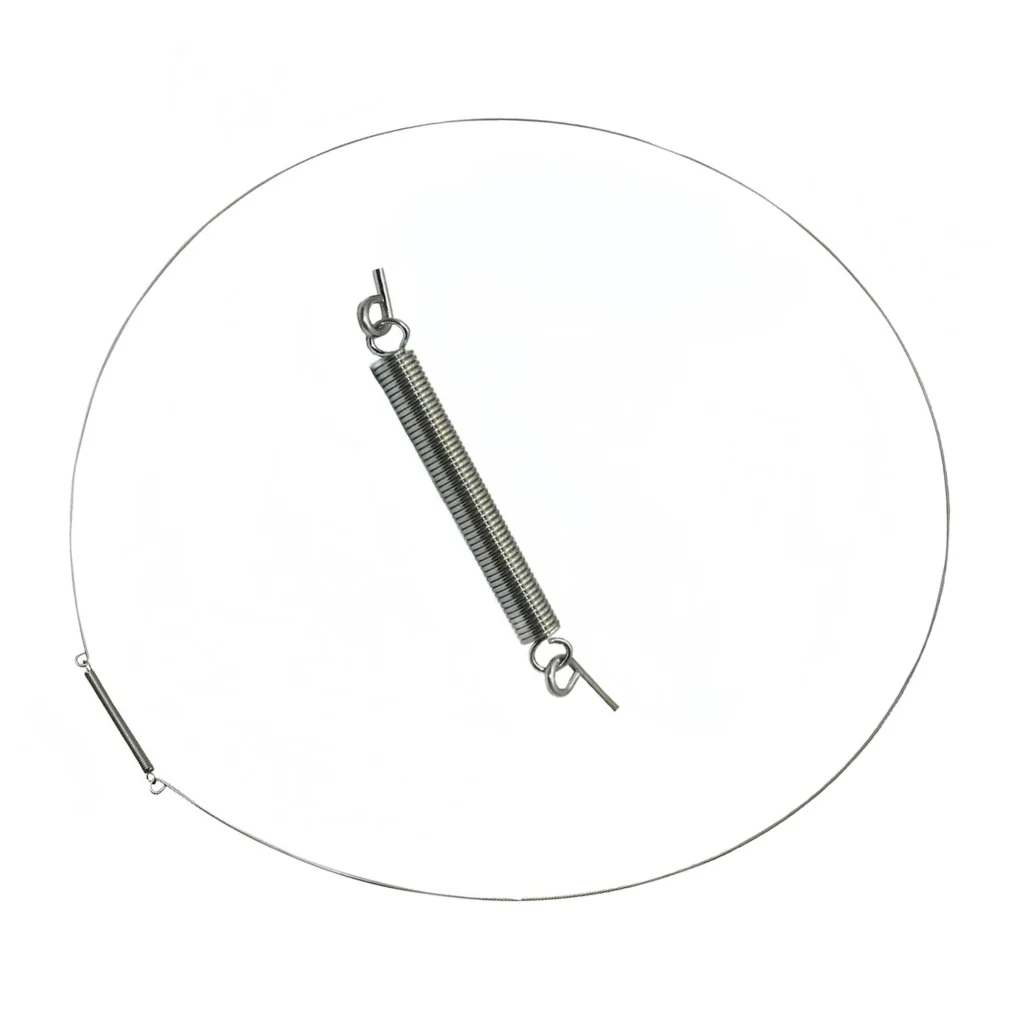
Here's something most Samsung front-load washer owners don't realize: that metal spring clamp holding your door boot in place should last 10-12 years, but most start causing problems around year 5. The difference? Five minutes of attention every few months.
I've replaced hundreds of these DC97-04973B clamps on models like the WF338AAW, WF419AAW, and WF448AAW series. The clamp itself rarely breaks — it's what happens around it that causes the failures.
How Long Should It Last?
A properly maintained door boot spring clamp should easily outlast your washer's warranty period. Samsung designed this part to handle thousands of door cycles. But here's the catch: the clamp doesn't fail on its own. It fails because the rubber boot underneath deteriorates, or because detergent buildup creates stress points that weaken the seal.
The clamp is essentially a large-diameter spring that maintains constant tension around the boot seal. When that tension becomes uneven — from corrosion, buildup, or boot deterioration — you'll start seeing problems.
Signs It's Wearing Out
The primary symptom you'll notice is leaking. But not all leaks mean you need a new clamp. Sometimes you just need to clean and reseat it.
Water Pooling at the Bottom of the Door
If you're finding water at the base of your WF331ANW or WF409ANW after every wash cycle, check the clamp tension first. Run your finger around the entire boot seal where it meets the outer tub. You're feeling for areas where the clamp might've slipped or loosened. Any gap wider than a credit card edge needs attention.
Visible Rust or Corrosion on the Clamp
The clamp is steel, and your washer's a humid environment. Once rust starts, it weakens the spring tension. Check the bottom section especially — that's where water pools and accelerates corrosion. Light surface rust? You can address it. Flaking rust or pitting? Time to replace.
The Boot Separating from the Drum Opening
Open the door and look at where the rubber boot attaches to the outer tub. If you can see the metal tub edge peeking through anywhere, your clamp's lost tension. This happens gradually on models like the WF210ANW and WF219ANB — you might not notice until you're getting leaks on every load.
Monthly Maintenance Tasks
Pull back the door boot and wipe down the clamp with a dry cloth. You're checking three things: corrosion, detergent buildup, and tension. If the clamp feels loose anywhere or you can easily lift it away from the boot, that's your warning sign.
Use a spray bottle with equal parts white vinegar and water on any mineral deposits or detergent buildup. This stuff hardens like cement if left alone. On the WF511ABW and WF520ABW models especially, high-efficiency detergent can accumulate right where the clamp sits.
After Every Few Washes
Leave your washer door open between loads. Simple, but it matters. That airflow prevents the humidity that causes clamp corrosion and boot mold. The clamp stays drier, the boot stays flexible, and you avoid the conditions that cause premature failures.
Wipe down the boot seal — not just for mold prevention, but to keep detergent residue from building up under the clamp. That residue creates uneven pressure points that can warp the boot and stress the clamp.
When to Replace vs Maintain
If your clamp has surface rust but still maintains good tension, you can treat it with a rust converter and continue using it. But if you're seeing any of these, replacement's your only option:
- The clamp broke or separated at the connection point
- Heavy rust with pitting or flaking
- You can't restore proper tension by reseating it
- The boot seal itself is torn or deteriorating (replace both together)
Here's the decision tree I use: if cleaning and reseating the clamp stops the leak, you've bought yourself months or years. If the leak continues or returns within a few wash cycles, the clamp or boot needs replacement. Don't keep reseating it — you'll just tear the boot trying to compensate for a failed clamp.
The Detergent Factor
Front-loaders like your WF337AAG or WF410ANW need HE detergent, and you need less than you think. Excess detergent leaves residue that hardens around the boot and clamp. Over time, this creates the equivalent of speed bumps under your clamp — uneven pressure that leads to leaks and premature wear.
Use the recommended amount or less. Run an empty hot cycle with two cups of white vinegar monthly. This dissolves buildup before it becomes a problem.
Frequently Asked Questions
Can I reuse the door boot clamp if I'm replacing just the boot seal?
Yes, if the clamp shows no rust, maintains tension, and the wire connection point is intact. Clean it thoroughly before reinstalling. But honestly, at $14.99 for the DC97-04973B, I usually replace both together. The labor's the expensive part — the parts are cheap insurance.
How tight should the door boot spring clamp be?
You shouldn't be able to easily lift or slide the clamp along the boot. When properly tensioned, it takes deliberate effort with a flathead screwdriver to release. If you can move it by hand, it's too loose. The clamp needs to compress the boot seal evenly around the entire circumference — any loose spots will leak.
Why does my Samsung washer leak only on certain cycles?
Likely your clamp's marginally loose. High-speed spin cycles create more water pressure against the door seal. If the clamp tension's borderline, regular cycles might be fine while spin cycles leak. Check the bottom of the boot especially — that's where weak clamp tension shows up first since water naturally pools there during agitation.
Element showing wear?
DC97-04973B · Replace before it fully fails