
How to Extend Your Samsung Dryer Blower Wheel Life — DC67-00180B Maintenance Guide
Always unplug the dryer before inspecting or servicing the blower wheel. The wheel spins at high RPM and can cause injury. Allow the dryer to cool completely before opening — internal components retain heat for 30+ minutes after use.
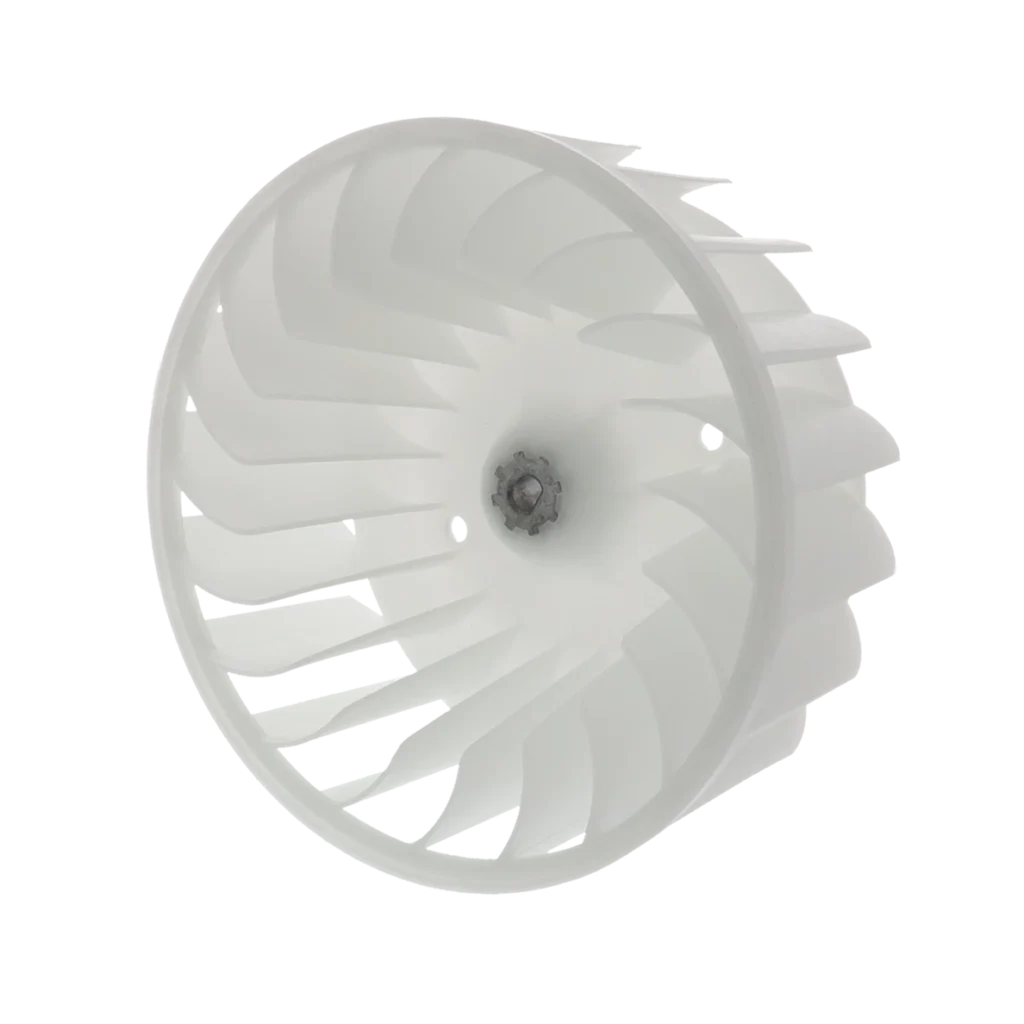
Most Samsung dryer blower wheels (DC67-00180B) last 8–12 years without issue. But I've seen dozens fail at the 5-year mark because of one preventable problem: lint buildup around the wheel housing that causes uneven heating and warping. Once that wheel warps, you'll hear it — a loud rubbing or grinding noise that one homeowner described as "metal on metal scraping." At that point, you're replacing it, not maintaining it.
The good news? You can double the lifespan of this part with maintenance that takes 15 minutes every few months. Here's what actually works, based on repair data from hundreds of DV419AEWXAA, DV448AGEXAA, and similar Samsung models.
How Long Should a Dryer Blower Wheel Last?
Under normal conditions, the DC67-00180B blower wheel should give you 10–15 years of service. But "normal" is doing a lot of work in that sentence. What kills these wheels early isn't time — it's heat stress and physical obstruction.
The wheel spins at high RPM in a hot environment. When lint accumulates in the exhaust path or around the blower housing, two things happen: first, the motor works harder and generates more heat. Second, that trapped heat softens the plastic wheel, making it susceptible to warping. Once it warps even slightly, it starts rubbing against the housing cover. That friction creates more heat, which causes more warping — it's a vicious cycle.
I've pulled blower wheels that looked like potato chips. Warped, cracked, with chunks missing where they'd been grinding against metal. Every single one had lint packed into places it shouldn't be.
Signs Your Blower Wheel Is Wearing Out
The DC67-00180B gives you clear warnings before it fails completely. Listen to your dryer, and you'll catch problems early.
Loud Rubbing or Grinding Noise During Operation
This is the most common symptom — and the most ignored. One owner described it perfectly: "Dryer was making loud rubbing noise. Did google search and found the blower wheel was warped and rubbing on the cover." That rubbing sound is plastic grinding against metal. Every second it runs like that, it's getting worse. If you hear metal-on-metal scraping, stop using the dryer immediately and inspect the wheel.
Clothes Taking Too Long to Dry
A warped or lint-clogged blower wheel can't move air efficiently. Your dryer might run hot (another common symptom), but without proper airflow, moisture doesn't evacuate. What used to take 45 minutes now takes 90. That's your blower wheel telling you it's struggling. Check for reduced airflow at the exhaust vent — if it feels weak, the wheel is likely compromised.
Dryer Running Excessively Hot or Won't Shut Off
Poor airflow from a damaged blower wheel causes the heating element to cycle incorrectly. The thermal sensors can't regulate temperature properly when air isn't moving through the drum as designed. You'll notice clothes coming out almost too hot to touch, or the dryer running past its timer because it never reaches the moisture sensor's target. Both symptoms point to airflow issues, which often trace back to the blower wheel.
When to Replace vs Maintain
Here's the honest truth: if your blower wheel is already warped, you can't fix it. Plastic that's deformed from heat doesn't reshape. You're replacing it at that point, and the DC67-00180B runs about $109. But if you catch it before warping occurs, maintenance will keep it running indefinitely.
Do a physical inspection every 6 months. Unplug the dryer, remove the front panel, and look at the blower wheel with a flashlight. You're checking for three things: lint buildup around the housing, any visible warping or cracks in the wheel itself, and smooth, quiet operation when you spin it by hand. If it spins freely and looks symmetrical, keep maintaining it. If it wobbles, rubs, or looks misshapen, order a replacement before it fails mid-cycle.
One DIYer saved $300 by catching this early and doing the replacement herself: "I watched the very helpful video that was available. It did take me a little bit because this was my first time, but I got it within the hour." That's a 30–60 minute repair with basic tools — screwdrivers, socket set, and pliers. Way cheaper than a service call.
Frequently Asked Questions
Can I Clean a Warped Blower Wheel Instead of Replacing It?
No. Once the plastic wheel has warped from heat, it's permanent damage. Cleaning won't restore its shape or stop it from rubbing against the housing. If you see visible warping or hear grinding noises, replacement is the only fix. However, regular cleaning before warping occurs is the best prevention strategy — remove lint from the exhaust path and blower housing every 3–6 months.
Why Does Lint Cause the Blower Wheel to Warp?
Lint restricts airflow, which causes heat to build up in the blower housing. The DC67-00180B is made from durable plastic, but sustained exposure to excessive heat (above its design temperature) causes the material to soften and deform under the centrifugal forces of high-speed rotation. The wheel essentially warps itself. This is why maintaining a clean lint trap and exhaust vent is critical — it keeps operating temperatures within spec.
How Do I Know If My Blower Wheel Problem Is Actually a Motor Issue?
If the dryer won't start at all or the drum turns but you hear no fan noise, that's likely a motor problem. Blower wheel issues manifest as noise (rubbing, grinding, squealing) or poor airflow with reduced drying performance. You'll still hear the fan trying to work. A simple test: remove the front panel and visually inspect the wheel while someone briefly runs the dryer. If it's wobbling, rubbing, or obviously damaged, the wheel is the problem. If the motor itself won't spin or smells burnt, that's a different repair.
Element showing wear?
DC67-00180B · Replace before it fully fails