
How to Extend Your Samsung Washer Pulsator Cap Life — Maintenance Guide
Never attempt to remove the pulsator cap while the washer is running or plugged in. Disconnect power before any maintenance.
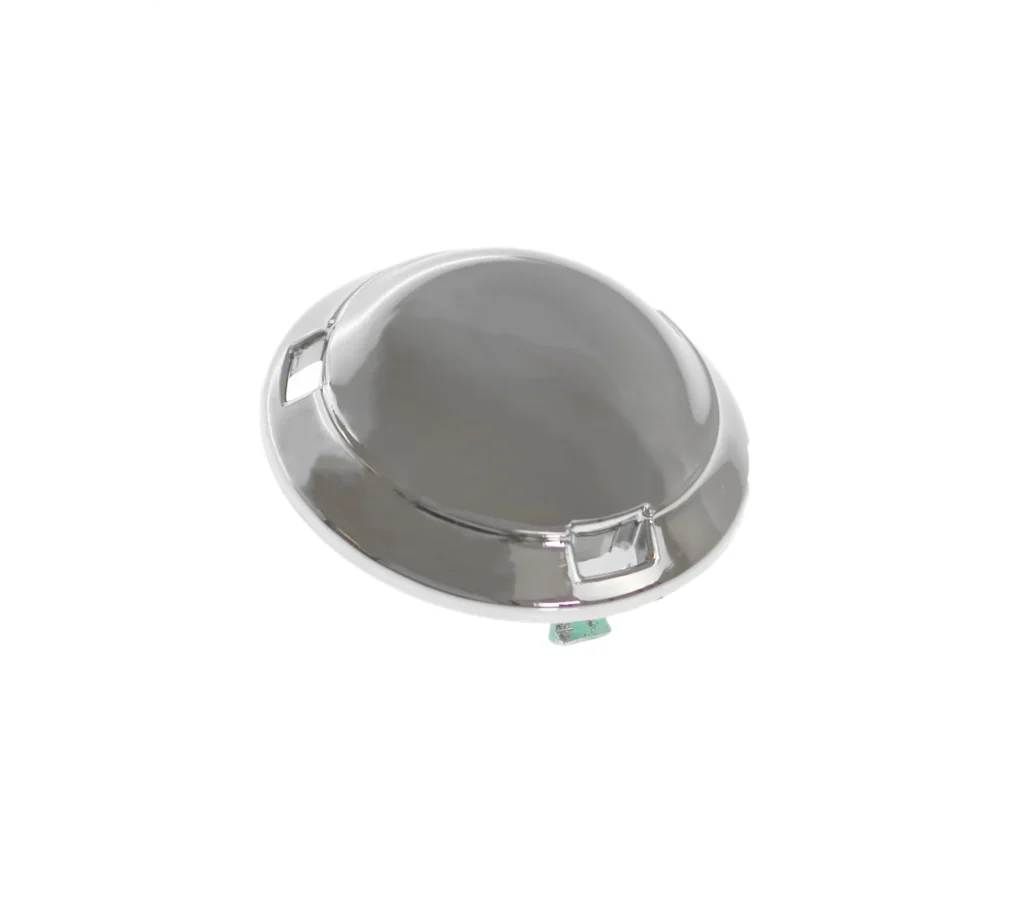
Here's something most people don't realize: the pulsator cap on your Samsung top-load washer takes more abuse than almost any other part. It sits at the center of every wash cycle, getting hit by water jets, detergent, fabric softener, and whatever's in your pockets. On models like the WA45H7000AP and WA45H7200AW, this DC66-00777A cap should last 5-7 years — but many fail around the 2-3 year mark simply because nobody thinks to maintain it.
How Long Should It Last?
Under normal conditions, your pulsator cap will last 5-7 years. With proper care, you can push that to 8-10 years. The biggest lifespan killers? Detergent buildup that causes cracks, fabric softener residue that weakens the plastic, and mineral deposits from hard water that create stress points.
I've seen caps fail in under two years when people use too much detergent or never clean the pulsator area. The plastic gets brittle, cracks form around the mounting points, and eventually it breaks free during the spin cycle.
Signs It's Wearing Out
Your pulsator cap will tell you when it's struggling. You just need to know what to look for.
White Residue or Film Around Edges
This crusty buildup isn't just ugly — it's detergent and fabric softener turning into concrete. As it accumulates, it creates pressure points that'll crack the cap. If you run your finger around the edge and feel rough deposits, you're already behind on maintenance.
Discoloration or Cloudy Appearance
The cap should be clear or translucent. If it's turning yellowish or cloudy, the plastic's degrading from chemical exposure. This happens faster with liquid fabric softener or if you're using non-HE detergent in an HE machine.
Clicking or Rattling During Agitation
When the cap starts to loosen or crack, you'll hear it moving around. That clicking sound during the wash cycle means the mounting tabs are wearing out. Don't wait until it breaks completely — a loose cap can damage the pulsator shaft underneath.
Visible Cracks Around Mounting Points
Check the areas where the cap snaps onto the pulsator. These mounting points take all the stress. Small hairline cracks will spread quickly, especially once water gets in and freezes (if your washer's in a cold garage or basement).
When to Replace vs Maintain
Be honest with yourself: if you see cracks, replace it. This part costs $24.99, and trying to "make it work" for another few months will likely damage the pulsator shaft assembly underneath — which'll cost you ten times more to fix.
Maintenance works when the cap's still intact. If it's just dirty or has surface buildup, you can absolutely extend its life. But once structural damage starts, maintenance won't save it.
Frequently Asked Questions
Can I use bleach to clean the pulsator cap?
No. Bleach will accelerate plastic breakdown and cause premature cracking. Use white vinegar or a mild dish soap solution instead. For stubborn buildup, let vinegar soak for 15 minutes, then scrub with a soft brush.
How often should I remove and inspect the cap?
Every six months is ideal. Pull it off, check for cracks around the mounting tabs, clean off any residue, and reinstall it. Takes five minutes and catches problems before they become expensive.
Will using HE detergent really make a difference?
Absolutely. Regular detergent creates excessive suds that leave residue on everything, including the pulsator cap. HE detergent's designed for these machines — it rinses cleaner and doesn't leave the chemical buildup that degrades plastic. If your Samsung's an HE model, don't cheap out with regular detergent.
Element showing wear?
DC66-00777A · Replace before it fully fails