
How to Extend Your Samsung Water Inlet Valve Life — DC62-00311F Maintenance Guide
Always shut off both hot and cold water supply valves before any maintenance. Unplug the washer to prevent accidental cycle start. Water pressure in the lines can spray when hoses are disconnected — keep a towel ready.
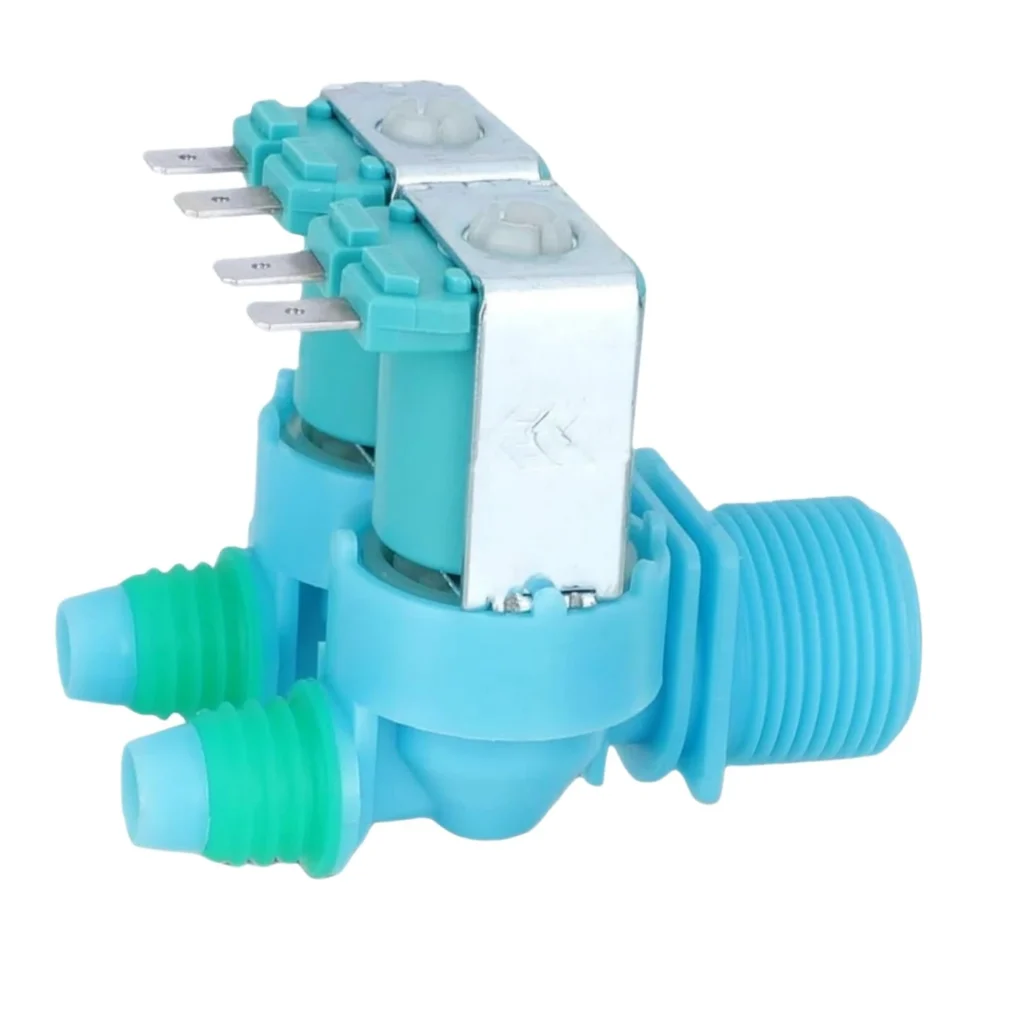
Most Samsung water inlet valves fail between 5-7 years, but half of those failures are preventable. The DC62-00311F valve controls every drop of water entering your washer — and it's under constant pressure even when you're not doing laundry. That 24/7 stress explains why it's one of the top five replacement parts for Samsung top-loaders like the WA40J3000AW and WA45M3100AW series.
Here's what actually kills these valves early: mineral deposits, pressure spikes, and lint infiltration. The good news? You can double the lifespan with three simple maintenance tasks that take about 10 minutes every few months.
How Long Should Your Inlet Valve Last?
Samsung rates the DC62-00311F for 5-7 years under normal conditions. "Normal" means municipal water with moderate hardness, standard household pressure (40-80 PSI), and regular use — maybe 6-8 loads per week.
But here's reality: if you've got hard water with mineral content above 180 PPM, you're looking at 3-4 years before calcium starts restricting flow through those tiny solenoid openings. High water pressure — anything over 80 PSI — wears out the rubber diaphragm faster. And if you're in a rural area with well water that carries sediment, you might see issues even sooner.
The valve itself has two solenoid coils that open and close based on signals from your washer's control board. When minerals build up on the valve seat or the screen filter clogs, the solenoids work harder. That extra electrical load eventually burns out the coils.
Signs It's Wearing Out
Water inlet valves don't fail overnight. They give you warning signs weeks or even months in advance:
Longer Fill Times Than Normal
Your WA45N3050AW used to fill in 4 minutes, now it's taking 7-8 minutes. That's reduced flow from mineral buildup on the screens or valve seats. The washer keeps the valve open longer to reach the right water level, which just accelerates wear.
Trickling or Dripping When Off
If you hear water trickling into the tub when the washer's off, the valve isn't sealing completely. The rubber diaphragm has degraded — usually from constant pressure or chlorine exposure. This wastes water and can cause mildew issues in the tub.
No Water Flow or Single Temperature Only
The DC62-00311F is a dual-valve design — one solenoid for hot, one for cold. When one coil burns out, you'll only get cold water (or only hot, depending which side failed). If both fail, you get nothing. The control board's still sending signals, but the valve won't respond.
Banging Noise When Filling Starts
That sharp bang when fill begins? Water hammer from the valve opening too fast, usually because sediment is preventing smooth operation. It's not just annoying — the pressure spike damages both the valve and your supply hoses.
When to Replace vs Maintain
Here's the honest truth: if your valve's already showing symptoms, maintenance probably won't fix it. Once the solenoid coils degrade or the diaphragm tears, you need the replacement part.
Maintenance works when you're preventing problems. If your washer's filling normally and you're not hearing drips, you're in the maintenance window. Clean those screens now and you'll avoid the $122 replacement cost later.
But if you're experiencing slow fills, leaks, or no water flow, replacement is the better investment. The DC62-00311F isn't rebuildable — there's no diaphragm kit or coil replacement option. At that point you're saving yourself future service calls by putting in a fresh valve.
One exception: if your washer's 8+ years old and you're already replacing the valve, consider checking the door latch and suspension rods too. These machines often have multiple parts aging simultaneously.
Frequently Asked Questions
Does a water softener really extend inlet valve life?
Absolutely. If your water hardness is above 150 PPM, a whole-house softener can double valve lifespan by preventing calcium deposits. Even a simple inline filter on the washer's supply line helps — they're $15 and catch sediment before it reaches the valve screens.
Should I turn off the water supply when not using the washer?
It helps, especially if you travel frequently or have high water pressure. Keeping the valve under constant pressure accelerates rubber degradation. But for daily use, it's overkill — just shut off the valves if you're gone more than a week or before winter vacations.
Can I clean the valve without removing it?
Sort of. You can clean the inlet screens by shutting off water, disconnecting the hoses, and pulling the screens out with needle-nose pliers. But cleaning the valve body itself requires removal — and once you've gone that far, you might as well inspect everything and decide if replacement makes more sense.
Element showing wear?
DC62-00311F · Replace before it fully fails