
How to Extend Your Samsung Dryer Thermal Fuse Life — DC47-00015A Maintenance Guide
Always unplug your dryer before servicing. Never bypass the thermal fuse except for brief testing — it prevents fires.
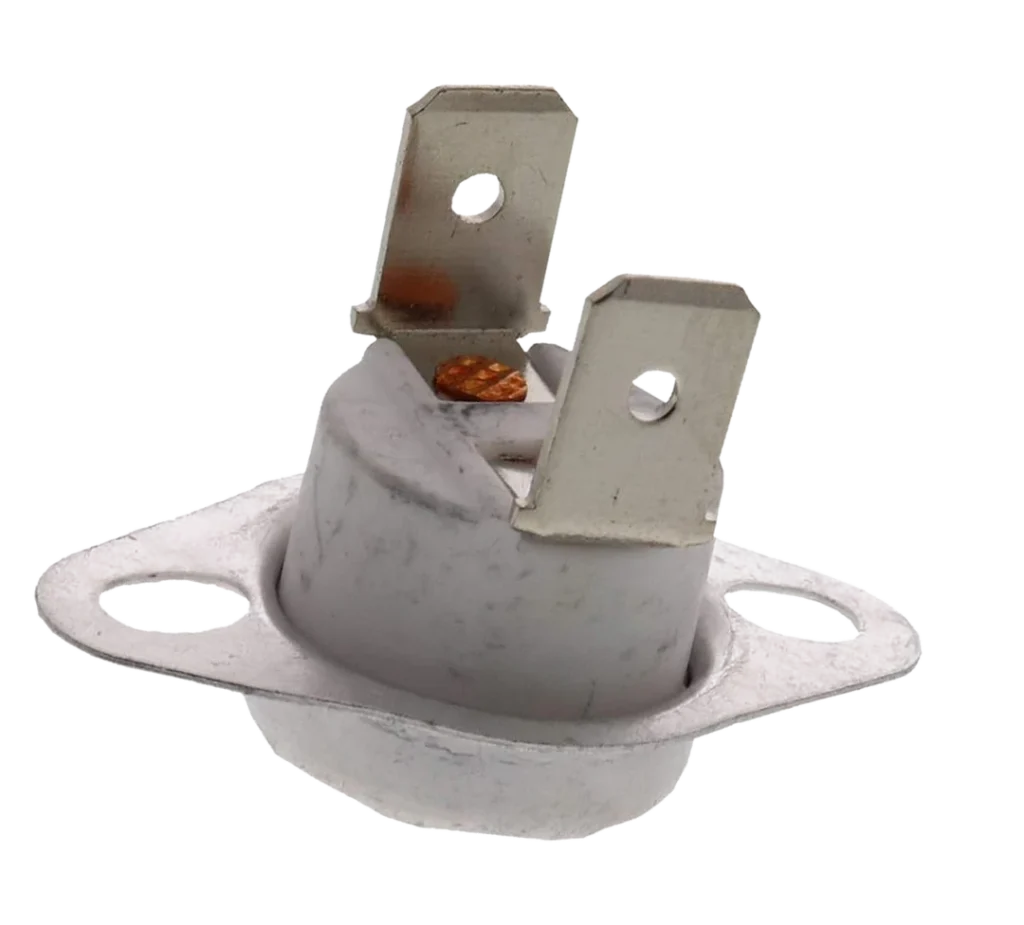
Here's something most Samsung dryer owners don't know: the DC47-00015A thermal cut-off fuse in models like the DV45H7000EW/A2 and DVE50M7450W should last 10-15 years, but most blow out in 4-6 years. The difference? How hot your dryer runs and what you're doing (or not doing) between loads.
This little fuse is a one-time safety device — once it trips at 250°F, it's done. But you can prevent it from ever reaching that temperature in the first place.
How Long Should It Last?
The DC47-00015A thermal cut-off fuse isn't designed to wear out under normal conditions. It should outlast your dryer. When it blows prematurely, something else forced it to do its job — usually restricted airflow causing the heating chamber to overheat.
The fuse monitors exhaust temperature. When airflow drops below a certain threshold and heat builds up, it sacrifices itself to prevent a fire. That's why you'll wake up to a dryer that tumbles but won't heat.
In models like the DV5451AEWXAA and DV5471AEPXAA, the fuse typically sits on the heating element housing. Once it trips, there's no reset button — you're replacing it.
Signs It's Wearing Out
Unlike mechanical parts, thermal fuses don't gradually fail. They work perfectly until they don't. But your dryer will warn you before the fuse blows if you're paying attention.
Clothes Taking Longer to Dry
When your normal 45-minute cycle suddenly needs 90 minutes, your dryer is running hotter to compensate for poor airflow. The thermal fuse is getting closer to its trip point with every load. This happens because lint buildup restricts exhaust, forcing the heating element to work overtime.
Dryer Shutting Off Mid-Cycle
If your DV316LEWXAA or DV328AEW/XAA stops heating halfway through a cycle but still tumbles, the high-limit thermostat (the fuse's partner) might be cycling on temperature. The thermal fuse will be next if you don't address the airflow problem.
Not Heating At All
This is the big one — your dryer tumbles but produces zero heat. The thermal cut-off fuse has already blown. At this point, you're in replacement mode, not prevention mode. But understanding why it failed determines whether your new fuse lasts 6 months or 15 years.
What Actually Kills This Fuse
The thermal cut-off fuse shuts off the heat if the dryer overheats, and replacement becomes necessary when restricted airflow forces it to trip. I've replaced hundreds of these, and the pattern is always the same.
Lint accumulation in the exhaust duct reduces airflow by 50-70%. The heating element keeps firing, but the hot air has nowhere to go. Temperature spikes. The fuse reads 250°F and pops.
Here's what's frustrating: cleaning your lint trap after every load only catches 60% of the lint your dryer produces. The rest escapes into the exhaust system, where it builds up over months and years.
The Real Maintenance Schedule
Forget the owner's manual's vague advice. Here's what actually prevents premature fuse failure:
After every single load: Pull the lint screen and remove all visible lint. Then vacuum the lint trap housing with a crevice tool — there's always more lint hiding below the screen.
Every three months: Disconnect the exhaust duct from the back of your dryer. Use a dryer vent brush (the flexible kind) to clean the first 6 feet of ductwork. You'll be shocked at what comes out.
Once a year: Clean the entire exhaust system from dryer to exterior vent cap. If your duct run is longer than 15 feet or has more than two 90-degree bends, hire a professional with the right equipment.
When to Replace vs Maintain
Once the DC47-00015A fuse blows, maintenance won't help — it's a one-shot device. You're ordering a new one. But before you install that replacement fuse, you must find and fix whatever caused the overheat condition.
I see this mistake constantly: someone replaces the fuse without cleaning the exhaust system. The new fuse blows in two weeks. Then they replace it again. Same result.
Before installing your replacement DC47-00015A on models like the DV40J3000EW/A2 or DV48H7400EW/A2, do this:
Disconnect the exhaust duct and shine a flashlight into it. If you can't see clearly through to the other end, it needs cleaning. Check the exterior vent cap — the flapper should open freely. If it's caked with lint or stuck closed, that's your problem.
Also inspect the blower wheel inside the dryer. Lint wraps around the fan blades and reduces airflow just like a clogged duct. Pull the front panel off your Samsung dryer and look at the blower housing. If there's a visible lint coating, clean it.
Here's the honest decision framework: if your dryer is over 10 years old and you're replacing this fuse for the second time, consider whether you're throwing good money after bad. A failing heating element that's cycling too frequently might be the real culprit, and at that point you're looking at $150+ in parts for a decade-old dryer.
Installation Best Practices
The installation notes are simple but critical: unplug the dryer before installing this part, and wear work gloves to protect your hands from sharp metal edges inside the cabinet.
When you replace the fuse, don't just swap it and button everything back up. Take five minutes to vacuum around the heating element assembly. Clean the blower housing. Check that the drum seal isn't torn (torn seals let lint escape into the cabinet instead of going out the exhaust).
And use a multimeter to verify the new fuse has continuity before you reassemble everything. Nothing's more frustrating than putting a Samsung dryer back together only to discover the replacement part was DOA.
Frequently Asked Questions
Can I bypass the thermal fuse to test if that's the problem?
Technically yes, but don't. The thermal fuse is the only thing preventing your dryer from catching fire if the high-limit thermostat fails. Bypassing it for more than a 60-second diagnostic test is dangerous. If the dryer heats with the fuse jumped, you've confirmed it needs replacement — now order the part and install it properly.
Will the dryer work at all with a blown thermal fuse?
The drum will tumble normally, but you'll get zero heat. The thermal cut-off fuse breaks the circuit to the heating element. Everything else — motor, timer, controls — functions fine. That's actually how you know it's the fuse and not a complete electrical failure.
How do I prevent the replacement fuse from blowing?
Clean your entire exhaust system before installing the new fuse. I mean the whole thing — lint trap housing, transition duct, wall duct, exterior vent cap. Then commit to cleaning the lint screen after every load and the exhaust duct every three months. That's it. Do those two things and your replacement DC47-00015A will outlast your dryer.
Element showing wear?
DC47-00015A · Replace before it fully fails