
How to Extend Your Samsung Lid Lock Assembly Life — Maintenance Guide
Never bypass the lid lock safety system. These washers spin at dangerous speeds—serious injury can occur if the lid is opened during operation.
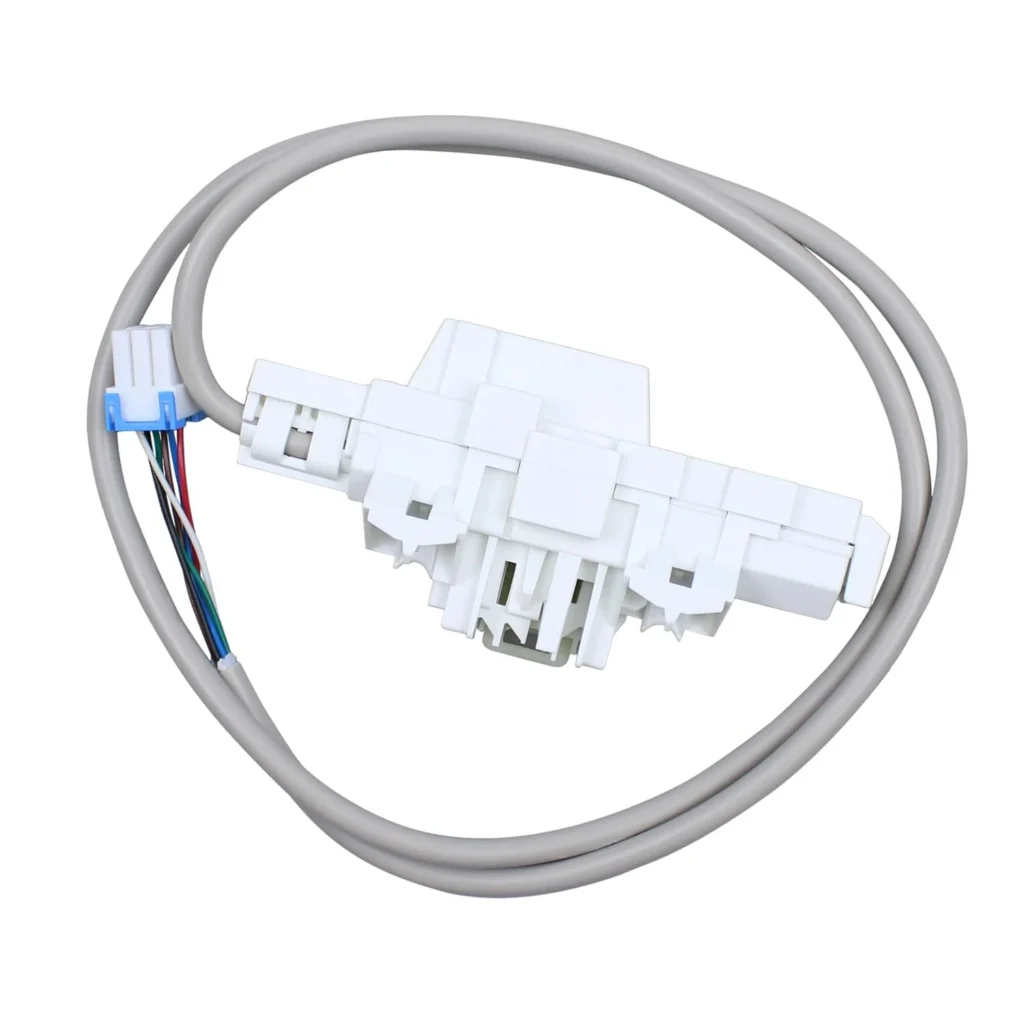
Here's something most people don't think about until it's too late: your Samsung washer's lid lock assembly (DC34-00025E) should last 8-10 years, but most fail around the 5-year mark. The difference? How you treat it during those thousands of load cycles.
This isn't just about a $129 part—it's about avoiding that frustrating moment when your washer won't start because it thinks the lid is open. Let's talk about keeping this assembly working longer.
How Long Should It Last?
Under normal conditions, the DC34-00025E lid lock assembly is rated for approximately 50,000-75,000 cycles. That translates to:
- 5-7 years with typical family use (2-3 loads daily)
- 8-10 years with lighter use and proper maintenance
- 3-4 years if you're rough with the lid or ignore warning signs
What affects lifespan? Three main things: how hard you close the lid, moisture exposure around the lock mechanism, and whether you let problems develop before addressing them. The good news is you control all three.
Signs It's Wearing Out
Lid lock assemblies rarely fail without warning. Here's what to watch for on models like the WA45H7000AW or WA45M7050AW:
The Lid Won't Lock on First Try
You close it, press start, and nothing happens. Close it again—maybe a bit harder—and it works. That's the lock mechanism wearing unevenly. The striker isn't aligning perfectly anymore, which means the locking latch is getting sloppy. You've got maybe 6-12 months before it stops working entirely.
Clicking or Grinding When the Lid Locks
The lock should engage with a quiet click. If you're hearing grinding, rattling, or multiple clicks, the solenoid is struggling. This usually means debris buildup or the plastic catch is wearing down. Don't ignore this—the solenoid will eventually burn out trying to compensate.
The Washer Thinks the Lid Is Open When It's Not
You'll see error codes (usually dE, dE1, or dC) even though the lid is definitely closed. That's the switch portion failing—the contacts aren't registering properly anymore. This happens when moisture gets into the assembly or the spring mechanism weakens.
Delayed Lock Response
Press start, wait 5-10 seconds, then it locks. Should be instant. This delay means the electrical connection is getting weak or there's corrosion building up in the wiring harness.
Maintenance That Actually Works
Most people never maintain this part because they don't realize they can. Here's what makes a difference:
Stop Slamming the Lid
I know it's tempting. You're in a hurry, you've got your hands full, and you hip-check the lid closed. Every slam degrades the striker alignment and stresses the locking mechanism. Close it firmly but controlled—you'll double the assembly's life just from this habit change.
Keep the Lid Area Dry
Water sitting around the lid lock is its biggest enemy. After each wash cycle, wipe down the lid rim and the lock area with a dry cloth. Takes 10 seconds. Moisture causes corrosion on the electrical contacts and can warp the plastic housing over time.
Monthly Inspection
Once a month, run your finger around the lock striker on the lid and the catch mechanism on the washer body. You're checking for:
- Lint or detergent buildup (clean it out)
- Visible cracks in the plastic
- Any play or wobble in the striker
- Discoloration indicating water damage
If you find buildup, use a barely-damp cloth with a tiny bit of dish soap. Let it dry completely before running the washer.
Test the Lock Function
Every few months, close the lid and press start without clothes in the washer. Listen and feel for smooth engagement. If it's taking longer than usual or sounds different, that's your early warning system telling you something's changing.
When to Replace vs Maintain
Here's the honest truth: some problems you can prevent, others mean replacement time.
Replace if:
- The lock won't engage at all—no amount of cleaning will fix a burnt-out solenoid
- You see visible cracks in the assembly housing—plastic failure is terminal
- The error codes are constant, not intermittent—the switch is done
- The striker is broken or bent—you can't rebuild these assemblies
Maintain if:
- Performance is slightly slower but still works—clean and monitor it
- You hear minor clicking but it still locks—debris removal usually fixes this
- It's working fine but you want to prevent problems—smart move
One more thing: if you're already replacing it, consider what caused the failure. If you've been rough with the lid, the new one will fail the same way. Change the habit, not just the part.
Frequently Asked Questions
How do I know if the lid lock or the control board is the problem?
Unplug the washer, wait 60 seconds, plug it back in, and try a cycle. If the lid lock was the issue, this reset won't change anything—it'll still fail to lock or throw the same error code. If the control board was glitching, the reset might temporarily fix it. Also, a bad lid lock usually clicks or makes noise trying to engage. A control board issue is typically silent—you just get an error code with no mechanical sound.
Can I bypass the lid lock to finish a load of laundry?
Technically possible but seriously dangerous. The lid lock exists because these washers spin at 1,000+ RPM—reaching in during a cycle could cause severe injury. Some people try jumping the switch connections, but you're defeating a safety system. If the lock fails mid-week, hand-wash what you need until the part arrives. Not worth the risk.
Will using powdered detergent instead of liquid help the lid lock last longer?
Actually, yes. Liquid detergent is more likely to splash onto the lid mechanism and leave residue that attracts lint and creates buildup. Powder is less sticky. But honestly, the bigger factor is how much detergent you use—HE washers need way less than people think. Excess suds splash everywhere, including onto parts like the lid lock. Follow the detergent line markings, not the cap measurements.
Element showing wear?
DC34-00025E · Replace before it fully fails