
How to Extend Your Samsung Condenser Fan Motor Life — Maintenance Guide
Always unplug your refrigerator before performing any maintenance on the condenser fan motor. The fan and compressor share electrical circuits and can start unexpectedly. Never stick fingers or tools into a spinning fan blade.
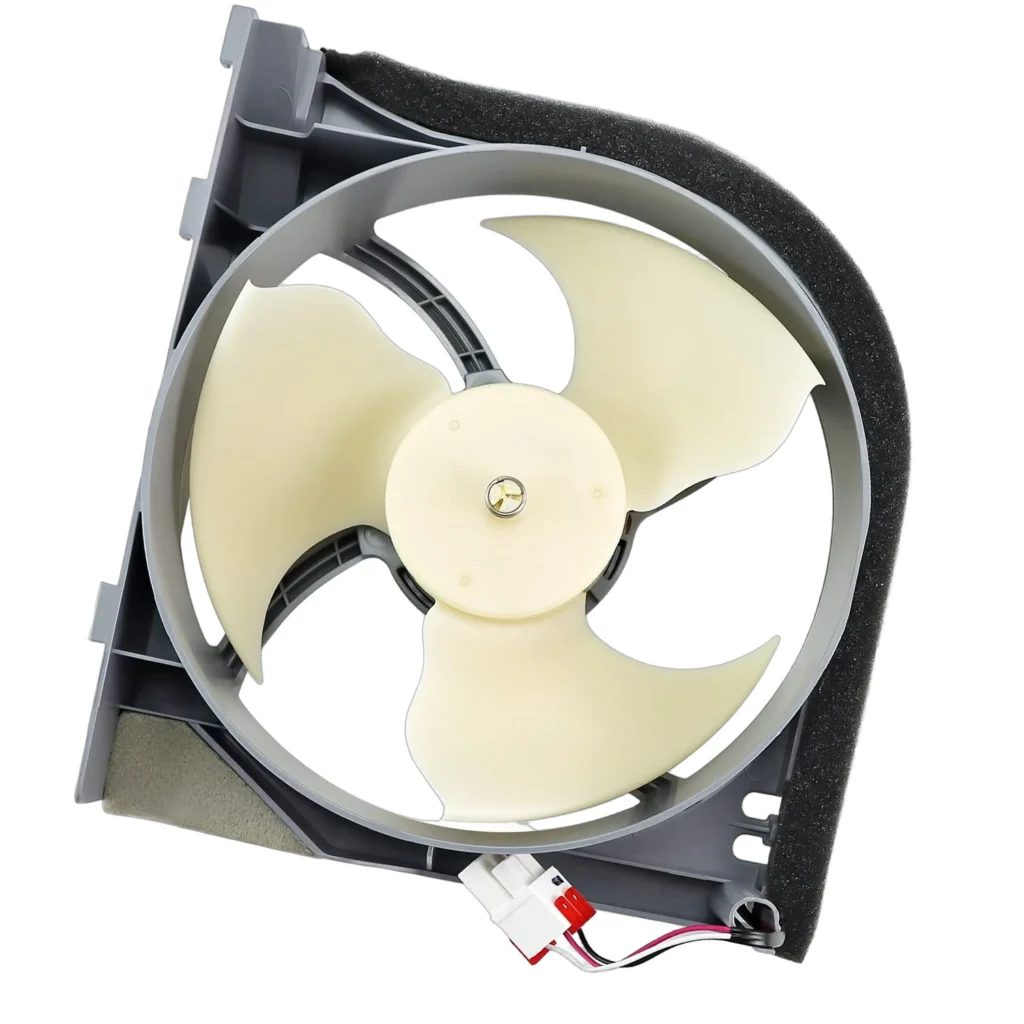
Most Samsung condenser fan motors should last 8-12 years, but I've seen DA97-15765C units fail in half that time because homeowners don't realize they need basic maintenance. The motor sits behind your fridge where dust, pet hair, and kitchen grease quietly choke it to death. If you've got models like the RF260BEAESR, RF26HFENDSR, or RF25HMEDBSR, spending 15 minutes twice a year can double the life of this $149 part.
How Long Should It Last?
Under normal conditions, the DA97-15765C condenser fan motor assembly should run 8-12 years. Samsung designed it for continuous operation — it cycles on and off with your compressor, sometimes running 12-16 hours daily. But that lifespan assumes clean airflow and reasonable ambient temperatures.
What actually kills these motors early? Heat buildup from blocked airflow is the biggest culprit. When dust blankets the coils and fan blades, the motor works 30-40% harder. That extra load generates heat, which degrades the motor windings and bearings. I've pulled motors with less than four years of service that burned out simply because nobody cleaned the coils.
Pet owners face the worst odds. Dog and cat hair acts like insulation around the motor housing. If you've got shedding pets and your fridge is in a tight space with poor ventilation, expect the shorter end of that lifespan range unless you're diligent about cleaning.
Signs It's Wearing Out
The condenser fan gives you warning signs before it fails completely. Learning to recognize them means you can extend its life or replace it on your schedule instead of during an emergency.
Unusual Noise from Behind the Refrigerator
A healthy condenser fan runs quietly — you might hear a gentle hum if you stand near the back panel. When bearings start wearing out, you'll hear grinding, squealing, or a rhythmic clicking. The noise typically gets worse as the motor heats up during longer cooling cycles. This is your 2-3 month warning that the motor is on borrowed time.
Refrigerator Running Warmer Than Normal
If your fridge isn't keeping a consistent 37-38°F, check whether the condenser fan is spinning. A failing motor might run intermittently or not at all, which means the compressor can't expel heat properly. Your freezer might still work because it's on a separate system, but the fresh food section will gradually warm up. Check the condenser fan first before assuming it's a compressor problem — the symptoms overlap but the fan is much cheaper to replace.
Motor Runs Hot to the Touch
Reach behind your fridge (unplug it first) and carefully touch the fan motor housing. It should be warm, not hot. If you can't keep your hand on it for more than 2-3 seconds, the motor is overheating. This usually means the bearings are shot or the windings are failing. A motor running this hot won't last more than a few weeks.
Essential Maintenance Schedule
The condenser fan motor doesn't need much, but it needs it consistently. Skip these steps and you're gambling with a $149 repair bill.
Every Six Months: Deep Clean the Condenser Coils
Pull your fridge away from the wall. You'll find the condenser coils and fan motor behind a lower back panel or underneath the unit. Use a coil brush (looks like a long bottle brush) to scrub between the coil fins. Then vacuum everything with a brush attachment. Pay special attention to the fan blades themselves — they collect a surprising amount of grease and dust that throws them off balance.
If you have pets or cook frequently, bump this up to quarterly cleaning. The difference in motor temperature after a good cleaning is dramatic — I've measured 15-20°F drops at the motor housing.
Monthly: Check for Obstructions
Make sure nothing is blocking airflow around the back of your fridge. I've seen refrigerators pushed too close to walls, storage boxes shoved behind them, and even grocery bags that fell and covered the ventilation opening. The condenser fan needs at least 2-3 inches of clearance on all sides to pull in cool air and expel hot air properly.
Annually: Inspect the Fan Blade and Motor Mount
Once a year, take a close look at the fan blade. It should spin freely with no wobble. Gently spin it by hand (fridge unplugged) — it should coast smoothly for several rotations. If it stops abruptly or feels gritty, the bearings are wearing out. Also check that the motor mounting screws haven't loosened from vibration. A motor that's come loose from its bracket will vibrate excessively and fail faster.
When to Replace vs Maintain
Here's the honest truth: if your condenser fan motor is making grinding noises or running hot, maintenance won't save it. Those are symptoms of mechanical failure, not dirt buildup. At that point, you're looking at replacement.
But if the motor still runs quietly and keeps your fridge cool, regular cleaning can easily add 4-5 years to its life. The DA97-15765C costs $148.99, while a service call to clean your coils might run $120-150. Do it yourself twice a year and you'll likely never need the replacement.
One exception: if you're buying a used Samsung fridge with models like the RF263BEAESR or RF265BEAESG, budget for a condenser fan replacement within the first year. These motors often get neglected by previous owners, and you don't know their maintenance history. Better to replace it proactively than deal with warm food spoilage at 10 PM on a Sunday.
What You'll Need for Maintenance
Keep these items on hand for regular condenser fan maintenance:
- Coil cleaning brush (the long narrow kind for refrigerator coils)
- Shop vacuum with brush attachment
- Flashlight or headlamp
- Screwdriver set for removing access panels
- Cleaning cloths
- Optional: compressed air for hard-to-reach areas
Total investment is maybe $30-40 if you don't already own these tools. Compare that to the $149 motor replacement, and it's an obvious choice.
Frequently Asked Questions
How do I know if my condenser fan motor is running?
Listen carefully behind your fridge when the compressor is running — you should hear a steady fan hum. If you only hear the compressor (a lower pitched hum or buzz), the fan might not be spinning. You can also remove the back panel and visually confirm the fan blade is turning when the compressor runs. The condenser fan should run any time the compressor is running.
Can I lubricate a noisy condenser fan motor?
Most modern condenser fan motors, including the DA97-15765C, use sealed bearings that can't be lubricated. If you're hearing grinding or squealing, the bearings are failing and the motor needs replacement. Trying to add oil won't help and might damage electrical components. The only maintenance these motors need is keeping them clean and cool.
Will a dirty condenser fan motor increase my electric bill?
Absolutely. When airflow is restricted, your compressor has to run longer and more frequently to maintain temperature. I've seen power consumption increase 15-25% from dirty coils and a struggling fan motor. Clean the coils and fan every six months, and you'll see the difference on your utility bill within a month or two. Over a year, that's easily $50-80 in savings.
Element showing wear?
DA97-15765C · Replace before it fully fails