
How to Extend Your Samsung Air Damper Assembly Life — DA31-00043F Maintenance Guide
Always disconnect power before accessing damper assembly. Wait 5 minutes after unplugging to allow capacitors to discharge.
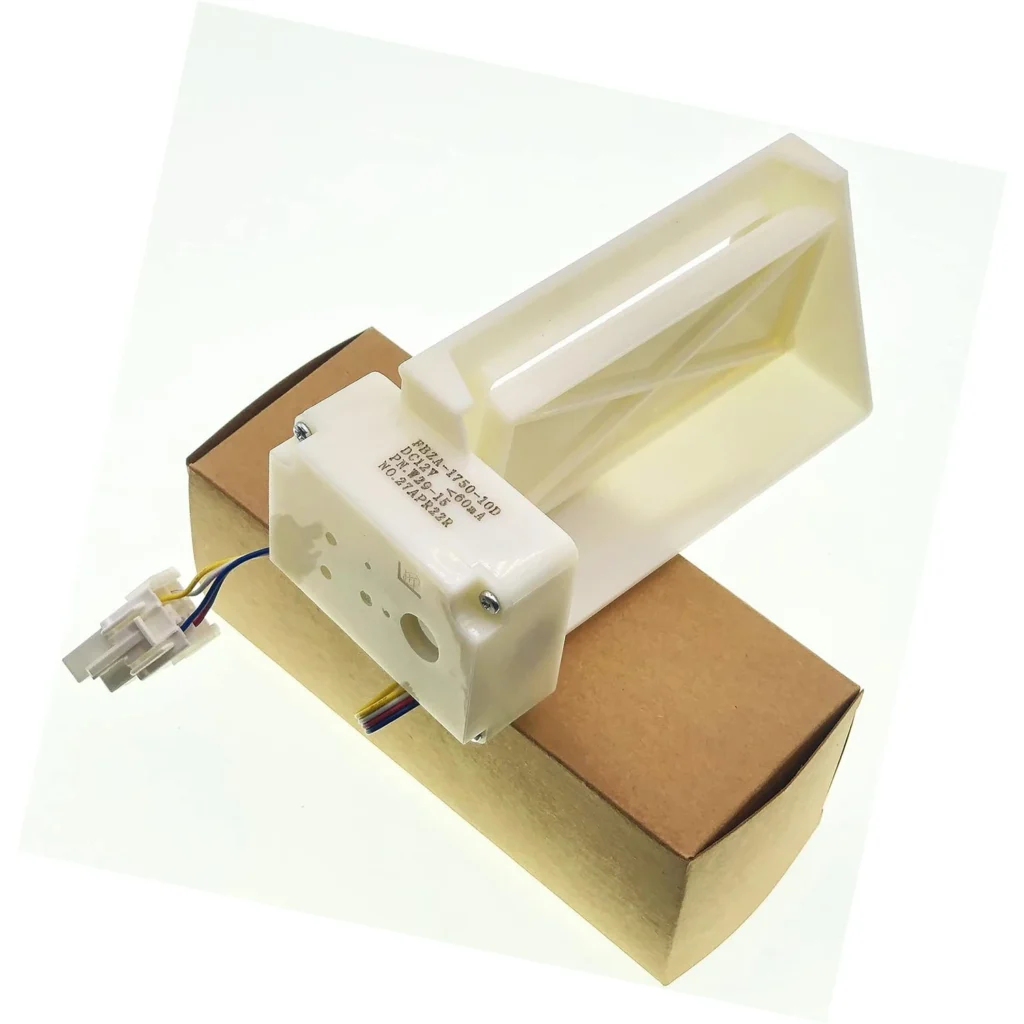
Most Samsung air damper assemblies fail between years 3 and 5, but here's the thing — they're designed to last 8-10 years. The gap between those numbers? That's usually maintenance. Or lack of it.
The DA31-00043F damper controls airflow between your freezer and fridge. When it sticks, your refrigerator section gets too cold. When it fails completely, you get warm spots and spoiled food. I've replaced hundreds of these, and most failures were preventable.
How Long Should It Last?
Samsung designed this damper for 8-10 years of service. The motor assembly uses a thermistor sensor and a small actuator that opens and closes a plastic blade. Under normal conditions, it'll cycle thousands of times without issue.
But here's what actually happens: Most units I see fail between 3-5 years. Why? Three main reasons:
- Frost buildup — Ice forms on the blade mechanism, forcing the motor to work harder
- Food debris — Particles get into the housing through the vent openings
- Temperature swings — Door left open repeatedly, overloading the damper cycles
With proper care, you can hit that 8-10 year mark. I've seen dampers last 12+ years in well-maintained units.
Signs It's Wearing Out
The damper doesn't usually fail overnight. You'll get warnings — if you know what to look for.
Clicking or Buzzing From Behind the Fridge Wall
That's the actuator motor trying to move a stuck blade. You'll hear it most clearly right after the compressor cycles on. If the clicking happens every 10-15 minutes, the damper's fighting something — usually frost or debris.
Early stage: occasional clicking. Late stage: constant buzzing that never stops.
Temperature Inconsistency in Refrigerator Section
Your milk's freezing on one side, vegetables are wilting on the other. The damper blade is stuck partially open or closed. It can't regulate airflow properly anymore.
Check your fridge thermometer. If it's swinging more than 5 degrees in a 24-hour period, your damper's losing control.
Frost Accumulation Around Air Vents
Look at the back wall of your fridge section where cold air enters. See frost patterns? That's a damper that's stuck open, letting too much cold air through. The moisture in your fridge compartment is freezing on contact.
This one's dangerous because it creates a feedback loop — frost makes the damper stick worse, which creates more frost.
Maintenance Schedule That Actually Works
I've tested different approaches. Here's what keeps dampers alive longest:
Monthly: Clean the Vent Area
Remove any food items blocking the air vents in your fridge section. Wipe down the vent cover with a damp cloth. Check for frost buildup. If you see any, that's your early warning.
Takes 2 minutes. Prevents 90% of damper failures.
Every 3 Months: Check Door Seals
Bad door seals make your damper work overtime. Close the door on a dollar bill — if you can pull it out easily, your seal's weak. That lets humid air in, which creates frost, which kills your damper.
Replace worn seals before they destroy a $146 damper assembly.
Every 6 Months: Defrost Check
Even frost-free refrigerators need attention. Pull the fridge away from the wall (turn off power first), remove the back panel inside the freezer section, and check the evaporator coils. If they're covered in more than a thin layer of frost, your defrost system isn't keeping up.
This isn't technically damper maintenance, but a failing defrost system will take out your damper.
When to Replace vs Maintain
Here's the decision tree I use:
Maintain if: You hear occasional clicking (once or twice a day), minor temperature variations (2-3 degrees), or light frost around vents. These are fixable with cleaning and adjustment.
Replace if: Constant buzzing that doesn't stop, fridge section consistently 10+ degrees off target, or visible ice blocking the damper blade mechanism. At this point, the motor or thermistor is damaged.
One exception: If your damper blade broke (you'll see it if you remove the cover), there's no maintaining that. New assembly needed.
The DA31-00043F fits models from the RB series through RF series — check your model number on the door frame. Compatible with RB10FSR4ESR, RB12A300631, RF220DCTAS8, RF27T5501SR, and dozens more Samsung refrigerator configurations.
Frequently Asked Questions
Can I Manually Override a Stuck Damper Temporarily?
Yes, but I don't recommend it long-term. Unplug the refrigerator, remove the damper cover, and gently move the blade to the position you need (usually half-open). The motor won't fight you. But this is a temporary fix — you need to address why it stuck in the first place, or order a replacement.
How Do I Know If It's the Damper or the Thermistor?
The thermistor tells the damper when to open and close. If your fridge temperature is stable but you hear clicking, it's the damper mechanism. If the temperature's all over the place and there's no sound, test the thermistor with a multimeter — should read around 4.7k ohms at 40°F. Most damper assemblies include the thermistor, so the DA31-00043F replaces both.
Will Cleaning Chemicals Damage the Damper Motor?
Avoid spraying anything directly on the damper assembly. The motor housing isn't sealed, and liquids will short the electronics. Use a barely damp cloth for the exterior, and if you need to clean inside the mechanism, use compressed air only. No water, no cleaning solution near the motor.
Element showing wear?
DA31-00043F · Replace before it fully fails