
How to Extend Your LG Washer Water Inlet Valve Life — Maintenance Guide
Always shut off water supply and unplug washer before servicing inlet valve. Water under pressure can spray forcefully when hoses are disconnected.
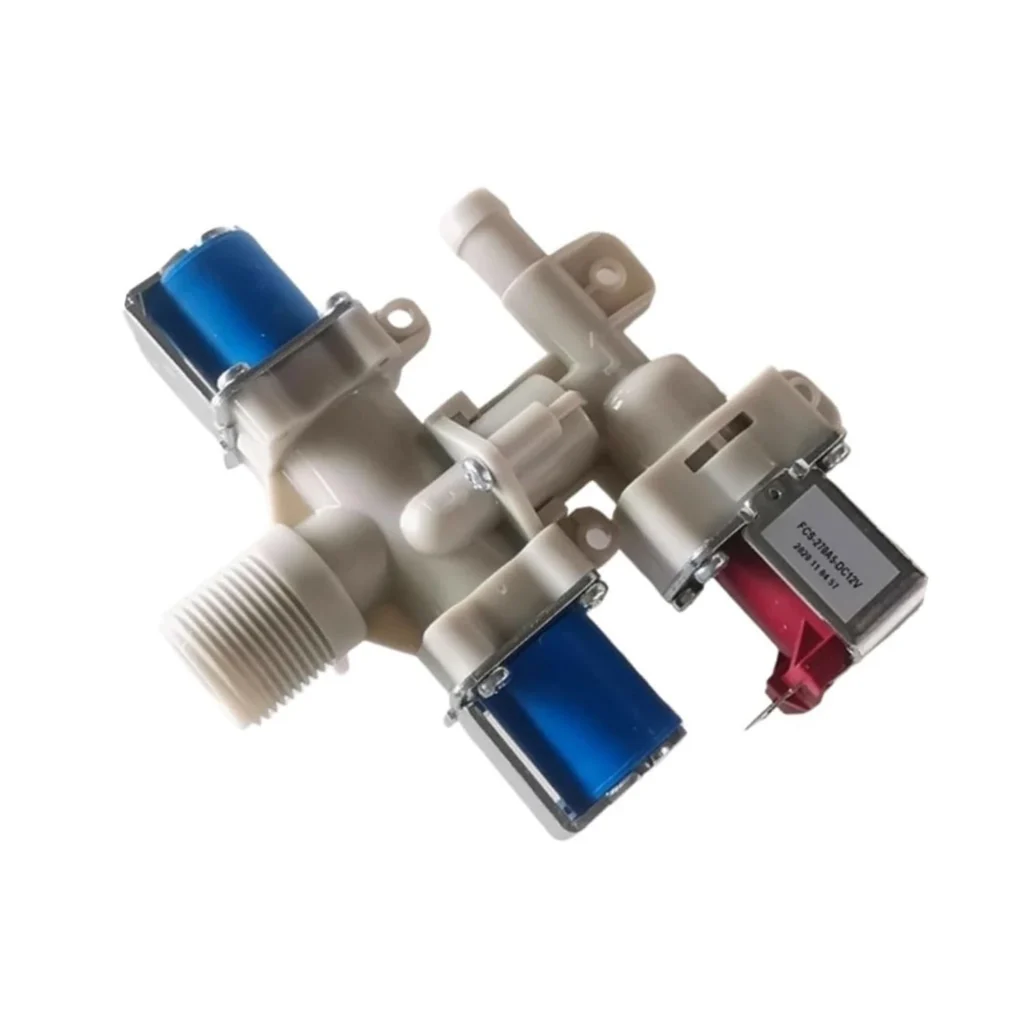
Here's something most people don't think about until it's too late: the cold water inlet valve on your LG top-loader handles thousands of gallons and hundreds of fill cycles every year. On models like the WT-H550 or WT-H550W1, this valve should last 7-10 years. Most fail between years 4 and 6. The difference? Hard water, installation quality, and whether you ever check the screens.
I've seen this valve on WTG6534W washers quit after just three years because nobody knew the mesh screens existed. Let's change that.
How Long Should It Last?
The AJU72911001 inlet valve assembly is rated for approximately 50,000 cycles under normal conditions. For most households doing 8-10 loads per week, that translates to 7-10 years of service life.
What affects its lifespan:
- Water hardness — Mineral deposits are the #1 killer. If you've got hard water (over 180 ppm), expect 30-40% shorter valve life without maintenance
- Inlet pressure — Water pressure above 80 PSI puts constant stress on the solenoid coils and rubber seals
- Temperature extremes — If your washer's in an unheated garage where temps drop below 40°F, the rubber diaphragms become brittle faster
- Screen blockage — Sediment buildup forces the valve to work harder, overheating the solenoids
With proper maintenance, you can push this valve toward the 10-year mark. Without it, you're looking at replacement around year 5.
Signs It's Wearing Out
Water inlet valves don't just die overnight. They give you warnings — if you know what to listen and look for.
Slow Fill Times or Weak Water Flow
If your WT-H550 used to fill in 4 minutes and now takes 7-8 minutes, the screens are probably clogged or the valve opening is partially blocked. You'll notice the water stream looks weaker than it used to. This isn't normal aging — it's sediment accumulation that you can fix.
Humming or Buzzing During Fill Cycle
A healthy solenoid valve opens silently. If you hear a humming noise when the washer starts filling (especially on Kenmore models like the 79571602013 or 79571604015), the solenoid coil is working harder than it should. The valve's trying to open against resistance — usually from mineral buildup or a failing internal diaphragm.
Water Doesn't Stop When It Should
This one's critical: if water keeps trickling into your washer drum after the fill cycle ends, the valve isn't closing completely. It might be debris caught in the seal or a worn rubber diaphragm. Don't ignore this — it can overflow your washer or throw off the water level sensor.
No Water Flow at All
Complete valve failure on the cold water side means your LG washer won't fill at all, or will only fill with hot water (if that valve's still working). Before you order the AJU72911001 replacement, check that your inlet hoses aren't kinked and the house water supply is actually on. I've made that service call more than once.
Visible Corrosion or Water Stains
Pull out your washer and check behind it once a year. See white crusty deposits or rust around the valve connections? That's either a slow leak or mineral buildup that's been there for months. The valve body shouldn't show external corrosion if it's working properly.
Preventive Maintenance Schedule
Here's what actually works to extend valve life on these LG and Kenmore models:
Every 6 Months: Clean the Inlet Screens
Turn off your water supply. Disconnect the cold water hose from the back of your washer. You'll see a small mesh screen inside the valve inlet — carefully pull it out with needle-nose pliers. Rinse it under running water and use an old toothbrush to scrub away sediment. If it's completely clogged, soak it in white vinegar for 20 minutes.
Don't skip this. It takes 5 minutes and prevents 80% of premature valve failures.
Annually: Check Water Pressure
Pick up a $15 pressure gauge from any hardware store. Screw it onto an outdoor hose bib and turn on the water. You want 40-60 PSI. Anything over 80 PSI will shorten your valve life significantly. If you're running high pressure, install a pressure regulator on your main water line or at least on the washing machine supply lines.
Every 2-3 Years: Flush Your Water Heater
Wait, the cold water valve doesn't connect to the water heater, right? Correct. But sediment in your home's plumbing system affects all your fixtures. Flushing the water heater removes particles that eventually make their way to your washer's inlet screens. It's preventive maintenance for your entire house.
When to Replace vs Maintain
Be honest with yourself here. Maintenance extends life, but it doesn't resurrect a dead valve.
Keep maintaining if:
- Your valve is under 5 years old
- Fill times are normal (under 5 minutes)
- No leaking, no continuous trickling
- Screens clean up easily with vinegar
Replace when:
- You hear electrical buzzing that doesn't stop
- Water won't shut off completely
- No water flow even after cleaning screens
- Visible cracks in the valve body
- Valve is 8+ years old and showing any symptoms
Don't throw money at a failing valve. If it's actively leaking or won't open, cleaning the screens won't fix it. The AJU72911001 replacement runs about $30-50 and takes 20 minutes to install. That's cheaper than the water damage from a valve that fails while you're at work.
Hard Water Areas: Extra Protection
If you're in Arizona, Nevada, Texas Hill Country, or anywhere with hard water above 200 ppm, standard maintenance isn't enough.
Consider installing:
- Inline sediment filter — $20 cartridge-style filter on your cold water supply line catches particles before they reach the valve screens
- Water softener — If you're serious about appliance longevity (and not just the washer), a whole-house softener pays for itself in extended equipment life
- Braided steel hoses — Replace those rubber supply hoses with braided steel. They last longer and won't burst if pressure spikes
What About Hot Water Side Maintenance?
The AJU72911001 is specifically the cold water valve assembly for these LG top-loaders. Your washer has a separate hot water valve that needs the same maintenance schedule. Clean both screens at the same time — no reason to do this job twice.
Frequently Asked Questions
How do I know if my inlet valve screens are clogged without taking them out?
Compare your fill time to when the washer was new. If it's taking noticeably longer (more than 90 seconds difference), your screens are probably restricted. You can also disconnect the inlet hose and turn on the house water briefly into a bucket — if flow is weak, the problem's in your house plumbing. If flow is strong, the washer's screens are clogged.
Can I run my LG washer without the inlet screens installed?
You physically can, but you shouldn't. Those screens protect the valve's internal components from sediment that'll destroy the solenoid and diaphragm. Running without screens might give you better flow for a few months, but you'll kill the valve within a year. Just clean the screens properly.
Will a water softener eliminate the need for inlet valve maintenance?
No, but it'll reduce the frequency. You'll still get some sediment buildup from pipe scale and municipal water system particles. With a softener, you can probably stretch maintenance to once per year instead of twice. You'll also eliminate the mineral deposits that cause valves to stick, which is the bigger benefit.
Element showing wear?
AJU72911001 · Replace before it fully fails