
How to Extend Your LG Dishwasher Door Latch Life — Maintenance Guide
Never force a dishwasher door closed. Excessive pressure can crack the latch housing or misalign the striker plate, turning a maintenance issue into an immediate replacement.
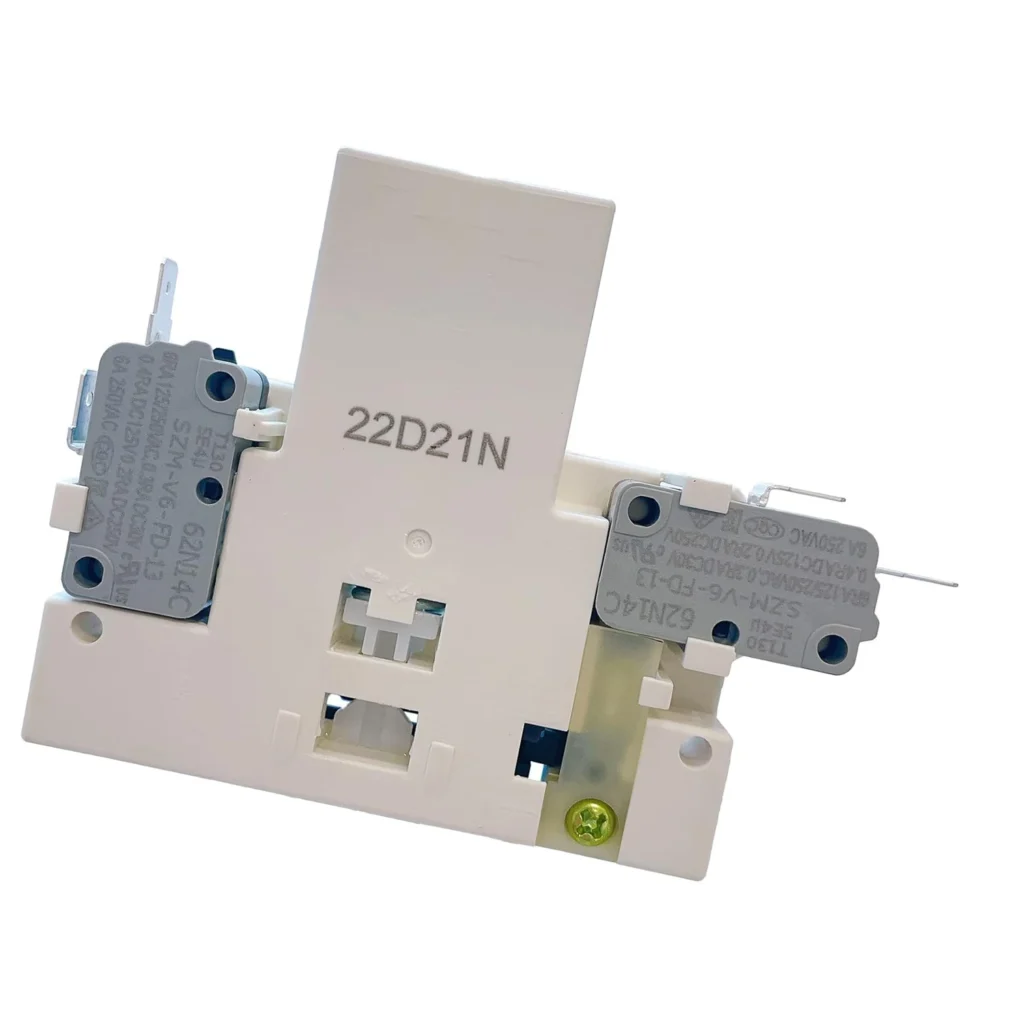
The average LG dishwasher door latch assembly lasts about 8–10 years, but most fail around year 5 or 6. That's a $71 replacement you might avoid with 15 minutes of maintenance every few months. The AGM76149901 latch assembly — used across dozens of LG and Kenmore dishwasher models from the LDF5545 series to the LDT7797ST — handles thousands of door closures, and most failures happen gradually, not suddenly.
I've replaced hundreds of these assemblies, and here's what I've noticed: the dishwashers that make it past year 10 with original latches all have one thing in common. Their owners understood that a door latch isn't just a mechanical part — it's exposed to steam, detergent residue, and constant pressure cycles.
How Long Should It Last?
Under normal conditions, the AGM76149901 door latch assembly should last 8–12 years. That's based on running your dishwasher 5–6 times per week. Run it daily? You're looking at closer to 6–8 years. But there's a catch — "normal conditions" assumes you're maintaining it.
What affects lifespan:
- Detergent buildup — The sticky residue that forms around the strike plate and latch mechanism creates friction. Over time, this makes the latch work harder to engage, wearing out the spring mechanism and plastic components prematurely.
- Steam exposure — Every wash cycle exposes the latch to 130–150°F steam. The door seal keeps most of it contained, but the latch area still gets hit. Prolonged exposure degrades plastic components and corrodes metal springs.
- Door force — Slamming the door or pulling it open before the latch fully releases puts stress on the micro-switch and striker. I've seen latches fail in under 3 years on dishwashers where kids were regularly assigned unloading duty.
- Hard water deposits — If you've got hard water, mineral deposits accumulate around the latch housing. This creates resistance and prevents smooth operation.
With proper maintenance, you can push that lifespan to 12–15 years. Without it, you're replacing at year 5 or 6.
Signs It's Wearing Out
The AGM76149901 latch doesn't usually fail overnight. It gives you warning signs weeks or even months before complete failure. Here's what to watch for:
Door Won't Stay Closed During Cycle
You close the door, start the cycle, and 10 minutes later the dishwasher stops mid-cycle with the door slightly ajar. This happens when the striker plate no longer aligns properly with the latch mechanism, or when the internal spring has weakened. It'll usually work if you push harder or jiggle the door, but that's your cue — the latch is on its way out.
Excessive Force Needed to Close
If you're pushing harder than you used to, or you hear a grinding noise when the door latches, something's binding. Usually it's detergent buildup or a misaligned striker, but it can also mean the latch hook is wearing down. On models like the LDF5545ST or LDT5678SS, this often starts as a subtle change and gets worse over 2–3 months.
Door Opens During Wash Cycle
The worst scenario — you walk into your kitchen and find water on the floor because the door popped open mid-cycle. This means the latch failed to hold under the pressure of the spray arms. It's a complete failure of the retention mechanism, and it's not fixable. Once this happens, replacement is your only option.
Clicking Sound But Door Won't Latch
You close the door and hear the click, but the dishwasher won't start. The micro-switch inside the latch assembly isn't registering contact. Sometimes you can get it to work by opening and closing multiple times, but this inconsistency means the internal switch is failing.
When to Replace vs Maintain
Here's the honest truth: if your latch has any of these issues, maintenance won't fix it — you need the AGM76149901 replacement:
- Physical cracks in the latch housing
- Broken striker plate or latch hook
- Intermittent door switch behavior (works sometimes, not others)
- Visible corrosion on internal metal components
- Door pops open during cycles
But if your latch works reliably and you just want to extend its life, maintenance makes sense. Clean the latch area every 3 months, inspect for buildup monthly, and you'll catch problems before they require a $71 part replacement.
The maintenance schedule below assumes your latch currently works fine. If you're already experiencing symptoms, skip to replacement — you're past the maintenance window.
Frequently Asked Questions
Can I lubricate the door latch to make it last longer?
No, don't use lubricants on dishwasher door latches. Any grease or oil you apply will attract detergent residue and create a sticky mess that makes the problem worse. The AGM76149901 is designed to operate dry. If your latch feels sticky or resistant, clean it with white vinegar and a soft brush — don't lubricate it.
How often should I clean the latch area?
Every 3 months is the sweet spot for most households. If you run your dishwasher twice daily or use powdered detergent (which leaves more residue than pods), bump that to every 6–8 weeks. The goal is to prevent buildup before it starts affecting latch operation.
Will a failing latch damage other dishwasher components?
Yes, potentially. If the door opens during a cycle, water can spill onto your floor and potentially reach electrical components under the dishwasher. I've seen failed latches lead to damaged control boards (a $200–300 repair) because water leaked onto electronics. If your latch is showing symptoms, don't wait — replace it before it causes secondary damage.
Element showing wear?
AGM76149901 · Replace before it fully fails