
How to Extend Your Broan Range Hood Motor Life — Maintenance Guide
Always disconnect power at the breaker before servicing. Grease buildup near electrical components creates fire risk.
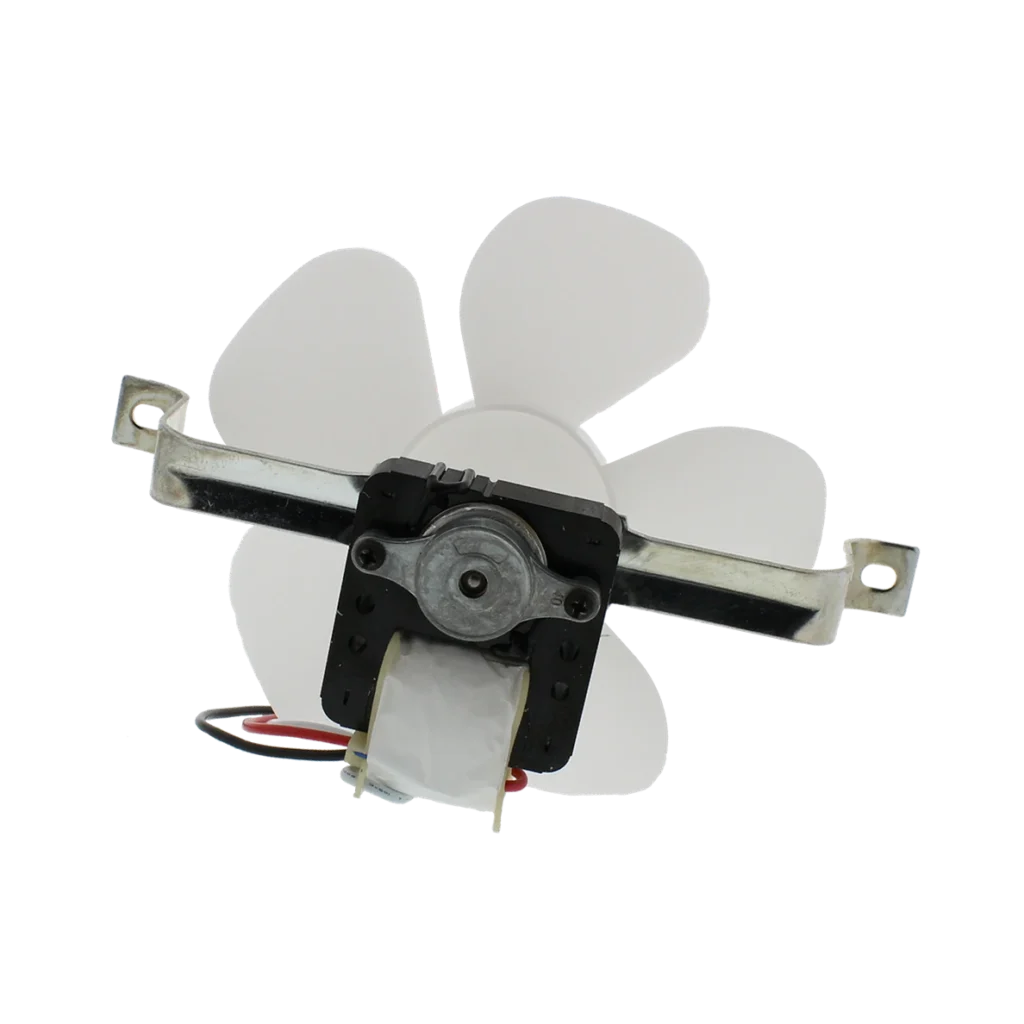
Here's a reality check: most range hood motors fail around year 10-12, but I've seen them last 20+ years with basic care. One user replaced theirs after 12 years, and honestly, that's about average for a neglected motor. The difference? Those extra years come down to what you do (or don't do) after cooking.
The motor assembly in models like the Broan 40000 series, 42000-K, and F40000 variants doesn't ask for much. It just needs you to reduce the grease and heat load it's constantly fighting. Most people ignore it until the fan stops working or starts making horrible grinding noises.
How Long Should It Last?
A range hood motor assembly should run 15-20 years under ideal conditions. In reality, you're looking at 8-12 years for most installations. Why the gap? It's not the motor itself that fails first—it's what accumulates around it.
Heat accelerates everything. If you're cooking multiple times daily, especially high-heat stir-frying or frying, your motor is working in a hostile environment. Grease infiltration is the silent killer. It gets into the motor bearings, thickens over time, and eventually locks things up or forces the motor to work harder until it burns out.
The motors in Broan F403001, F403008, and F403022 units are identical mechanically—same vulnerabilities, same maintenance needs. They're designed for intermittent use, not continuous operation. Running your hood for 2-3 hours straight during holiday cooking marathons? You're shaving months off its life each time.
Signs It's Wearing Out
Your hood will tell you when the motor's struggling. Don't wait until it dies completely.
Excessive Noise During Operation
New motors run with a steady hum. When yours starts grinding, rattling, or making a whining sound that changes pitch, the bearings are dry or damaged. This is your 6-month warning. Ignore it, and you'll be looking at a full replacement instead of a potential bearing cleaning.
I've pulled motors apart where the grease buildup was so thick it had solidified around the shaft. The bearing clearances are tight—once grease gets gummy in there, friction increases exponentially.
Weak Airflow or Intermittent Operation
The fan spins but barely moves air? That's often a motor running at reduced capacity because the windings are overheating. Intermittent operation—where it works for 30 seconds then stops—usually means thermal cutout protection kicking in. The motor's getting too hot and shutting itself off to prevent burning up.
One customer described it perfectly: "The fan would start fine on cold mornings, but after cooking for 10 minutes, it would slow down to nothing." Classic sign of a motor that's on its last legs.
Complete Failure to Start
This is the end stage. You hit the switch and get nothing—no hum, no clicking, no attempt to spin. At this point, wear and tear has won. The motor windings may be open, bearings seized, or the thermal fuse permanently tripped. As one user put it after 12 years: "concluded that the motor had simply died."
What Actually Extends Motor Life
Let me be direct: you're not going to double your motor's life with maintenance. But you can reliably add 3-5 years, which is the difference between a $42 part replacement and a $200+ service call or new hood installation.
Clean the grease filters every 2-4 weeks. I know the manual says monthly. That's optimistic if you cook daily. The filters are your first line of defense—when they're saturated, grease goes straight to the motor housing. Pull them out, run them through the dishwasher or soak in degreaser. Takes 5 minutes.
Wipe down the motor housing quarterly. You need to remove the grease screen to access it. Use a degreaser and a brush to clean the visible motor casing and the fan blades. Grease buildup on the blades creates imbalance, which wears bearings faster. I've seen blades with 1/4" of hardened grease—that's adding weight and creating vibration the motor was never designed to handle.
Don't run it longer than necessary. The motor doesn't need to keep running for 20 minutes after you're done cooking. Give it 3-5 minutes to clear the air, then shut it off. Every hour of runtime is wear you can't get back.
Keep venting time proportional to cooking intensity. Light sautéing? Medium speed is fine. Deep frying or high-heat searing? Run it on high, but shut it down promptly when you're done. High speed draws more current and generates more heat in the motor windings.
When to Replace vs Maintain
If your motor is making noise but still moves air effectively, maintenance might buy you another year or two. Clean everything thoroughly, check for loose mounting screws, and monitor it.
If airflow is weak or intermittent, replacement is imminent. You're maybe 6 months out from total failure. Order the part (97012248 fits dozens of Broan models including 40000-B through -H series, F402401, F402404, and F403001 series) and swap it before you're cooking in smoke.
Complete failure? Replace immediately. The repair is straightforward—one user did it in under 5 minutes, another took 20 minutes being careful. You need basic screwdrivers and possibly a socket set. Disconnect power, remove mounting screws, unplug the connector, reverse for installation.
Don't try to rebuild these motors. The bearing replacement cost approaches the new motor cost, and you'll spend 2 hours disassembling something held together with crimped metal. Just replace it.
Frequently Asked Questions
How often should I actually clean my range hood motor area?
Pull the filters monthly and wipe down the motor housing every 3 months. If you cook with high heat or fry food more than twice weekly, cut that to every 6-8 weeks. You'll know you've waited too long when you see grease dripping from the housing or the filters are no longer silver.
Can I oil the motor bearings to make them last longer?
Not on these sealed motors. The bearings are either sealed-for-life or shielded types. Adding oil externally won't reach the bearing surfaces and might attract more dust and grease to the exterior, making things worse. If the bearings are dry enough to make noise, the motor's replacement is already overdue.
My motor runs but the house still smells like cooking—is it failing?
Probably not. Check your ductwork first. Most weak ventilation issues are blocked ducts, crushed flexible ducting, or a stuck damper flap at the exterior vent. If the motor sounds normal and the fan blades are clean and spinning fast, the motor's fine. You've got an airflow restriction somewhere downstream.
Element showing wear?
97012248 · Replace before it fully fails