
How to Extend Your GE Range Terminal Block Life — Maintenance Guide
Always disconnect power at the breaker before inspecting terminal blocks. Even with burners off, 240V power is present at the terminals.
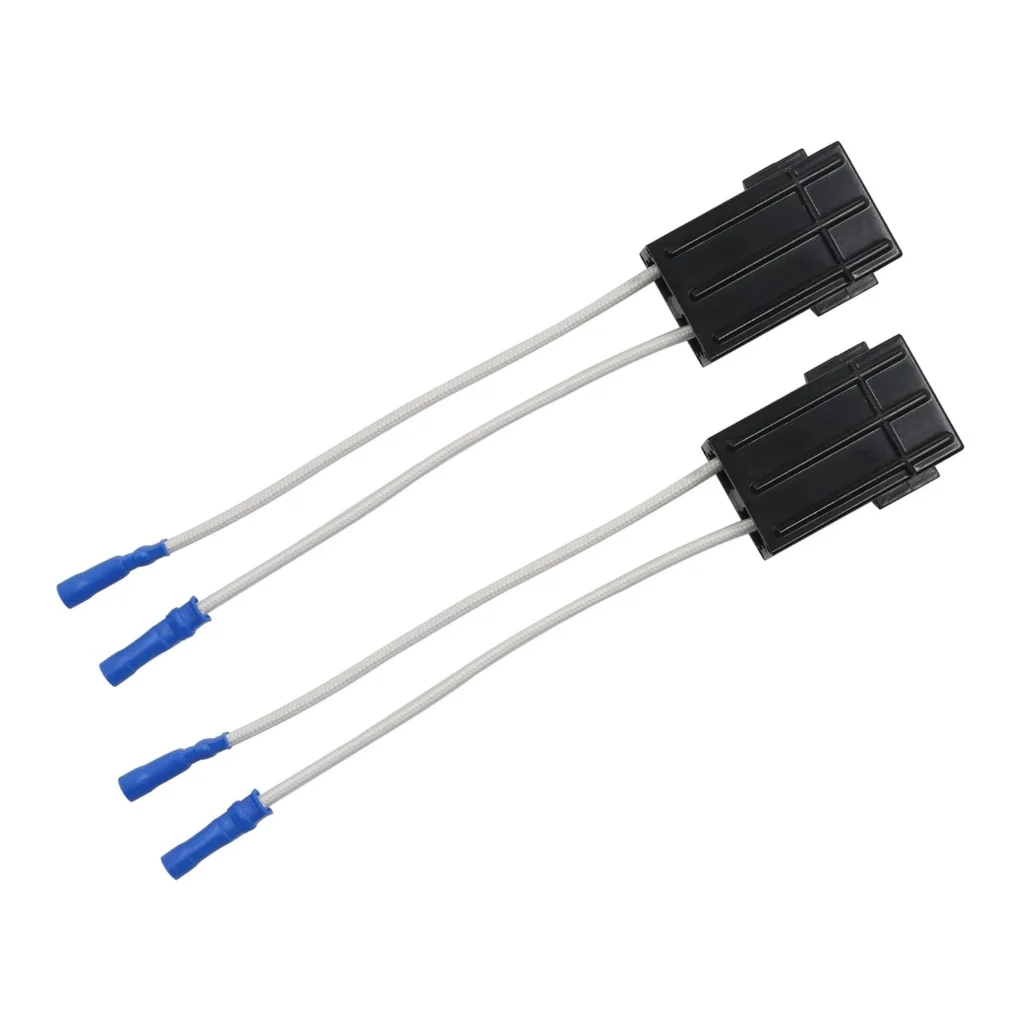
Most GE range terminal blocks should last 15-20 years. Most homeowners replace them after 5-8. The difference? Almost always heat damage from loose connections creating electrical resistance.
The terminal block — that ceramic connector where your stovetop heating elements plug in — sits right in the heat zone and carries serious amperage. When connections loosen even slightly, they generate extra heat. That heat carbonizes the wiring, melts the plastic housing, and eventually creates arcing that can damage the range permanently.
I've pulled hundreds of these from GE JBP24, JBP25, and JB550 series ranges. The ones that failed early always showed the same pattern: someone installed the element, never checked the connection again, and heat did the rest. The ones still working after 15+ years? Their owners checked them twice a year.
How Long Should It Last?
Under normal conditions with proper maintenance, the 9130-106 terminal block should last 15-20 years. That's the design life GE engineered it for when they created the WB17X5113 original specification.
What affects lifespan:
- Connection tightness: Loose element prongs create resistance, resistance creates heat, heat destroys the block
- Element age: Worn elements draw more current, stressing the terminal
- Cooking habits: Constant high-heat use (daily boiling, canning) accelerates wear
- Kitchen humidity: Moisture causes corrosion on brass terminals
- Power surges: Voltage spikes can pit the contact surfaces
Here's what most people don't realize: the terminal block itself rarely fails. The connection between the element and the block fails. Once that happens, the damage spreads fast.
Signs It's Wearing Out
Terminal blocks don't fail suddenly — they give you weeks of warning. You just have to know what to look for.
Discoloration Around the Terminals
Look at the ceramic block where the element prongs insert. Fresh blocks are white or light gray. If you see brown, tan, or black discoloration radiating from the terminal holes, that's carbon tracking from arcing. This is stage one failure.
Early stage: Light tan discoloration, still smooth ceramic surface. The block still works, but the connection is generating excess heat. Clean the element prongs with fine sandpaper and check the fit.
Late stage: Black carbonization, rough or cracked ceramic, visible pitting around the brass terminals. Replace immediately — this block is creating fire risk.
Element Won't Heat Evenly or Fully
When you turn the burner to high and it only glows orange instead of bright red, or one side heats while the other stays cool, suspect the terminal block. Poor connection means poor current flow.
What's happening: One of the two prongs isn't making solid contact. The element gets partial power, which means partial heat. This creates even more resistance at the bad connection, accelerating the damage.
Test this: Pull the element straight out (when cool). Look at the prongs. If one is discolored or has a rough, pitted surface while the other looks clean, your terminal block has been arcing.
Burning Smell When Element Is On
Not the normal smell of dust burning off after you haven't used a burner in a while — that's a sharp, acrid smell of overheating plastic or burning wire insulation. If you smell it, immediately turn off the burner and inspect the terminal block.
This smell means: The plastic housing around the ceramic block is melting, or the wire insulation behind the block is degrading from excessive heat. You're past maintenance at this point — you need replacement within days, not weeks.
Maintenance Schedule That Actually Works
After Each Deep Clean (Monthly)
When you're cleaning the stovetop, pull each element and inspect the connection. Takes 30 seconds per burner.
What to check: Prong condition (should be shiny brass, not dark or pitted), ceramic condition (no cracks or discoloration), element fit (should require firm push and pull, not loose).
Every 6 Months
Use fine-grit sandpaper (220-grit) to polish the element prongs. This removes oxidation and ensures maximum contact surface.
How to do it: Pull the element out. Fold the sandpaper and rub each prong in one direction 4-5 times. Wipe with a dry cloth. Reinsert firmly. You should feel slight resistance as the prongs seat into the terminals.
Also check: Wiggle the ceramic block gently. It should be rock-solid. If it moves at all, the mounting screws have loosened or the mounting bracket is cracked. Tighten or replace the bracket.
Annually
Inspect the wiring behind the terminal block. You'll need to pull the range out and remove the rear panel.
Look for: Discolored wire insulation (should be white or the original color, not brown or brittle), loose wire nuts, corrosion on the brass terminals where wires attach, cracks in the ceramic block not visible from the front.
This is also when you check the range's 240V connection at the wall outlet or junction box. Loose connections there create the same heat problems and can damage multiple terminal blocks.
When to Replace vs Maintain
Be honest about what you're seeing. Maintenance works when you catch problems early. Past a certain point, you're just postponing the inevitable — and risking damage to the expensive elements or the range's internal wiring.
Maintain if:
- Ceramic is white or light gray with no cracks
- Element prongs clean up to shiny brass with light sanding
- No burning smell when burner operates
- Element heats evenly and reaches full temperature
- Block is firmly mounted with no movement
Replace if:
- Black carbonization on or around the terminals
- Cracks in the ceramic body
- Melted or deformed plastic housing
- Pitting on brass terminals that doesn't clean up
- Burning smell during operation
- Element won't reach full heat even after cleaning connections
The 9130-106 replacement costs about $15-25. A new element costs $20-40. Damage to the range's internal wiring from a failed terminal block can run $200-400 in repairs. Do the math.
What Kills Terminal Blocks Fast
Three habits I see constantly that destroy terminal blocks years early:
Installing elements wet: Water on the prongs causes flash corrosion when you turn the burner on. Always dry elements completely before inserting.
Forcing elements at an angle: If you don't line up the prongs perfectly with the terminals, you bend them slightly. That creates a partial connection that arcs and burns. Always insert straight.
Ignoring the first signs: That slight brown tint around one terminal? It'll be black in three months and melted in six. Catching it at the tan stage means cleaning connections. Catching it at the black stage means replacement.
Frequently Asked Questions
Can I clean a discolored terminal block instead of replacing it?
Depends on the severity. Light tan discoloration with no cracks — yes, you can clean the element prongs, ensure firm connection, and monitor it closely. Black carbonization or any cracks in the ceramic — no, replace it. The carbon creates conductive paths that continue arcing even with clean connections. I've seen people try to clean severely damaged blocks; they fail again within weeks and sometimes take the element with them.
Why does only one burner's terminal block fail when they're all the same age?
Usage patterns. The burner you use most fails first — usually the front right on most ranges. If you do a lot of high-heat cooking (boiling pasta, canning), that specific terminal block sees exponentially more thermal stress. The others might still be fine because they've operated maybe 20% as much. Also, if one element was slightly bent when installed years ago, that poor connection has been generating extra heat from day one.
Is it worth upgrading to a heavy-duty terminal block?
For standard home use, the 9130-106 is already rated for the full amperage your elements draw. Heavy-duty commercial-grade blocks exist, but they're designed for ranges that run 8+ hours daily at high heat. For home cooking, you're better off spending money on quality elements with properly formed prongs and maintaining the connection twice yearly. The failure point is usually the connection quality, not the block's amperage rating. I've seen 20-year-old original blocks still working perfectly because the homeowner kept connections clean.
Element showing wear?
9130-106 · Replace before it fully fails