
How to Make Your Whirlpool Dryer Belt Last 10+ Years — Maintenance Guide
Always unplug the dryer before inspecting internal components. Belt replacement requires cabinet disassembly — if you're not comfortable with that, call a tech.
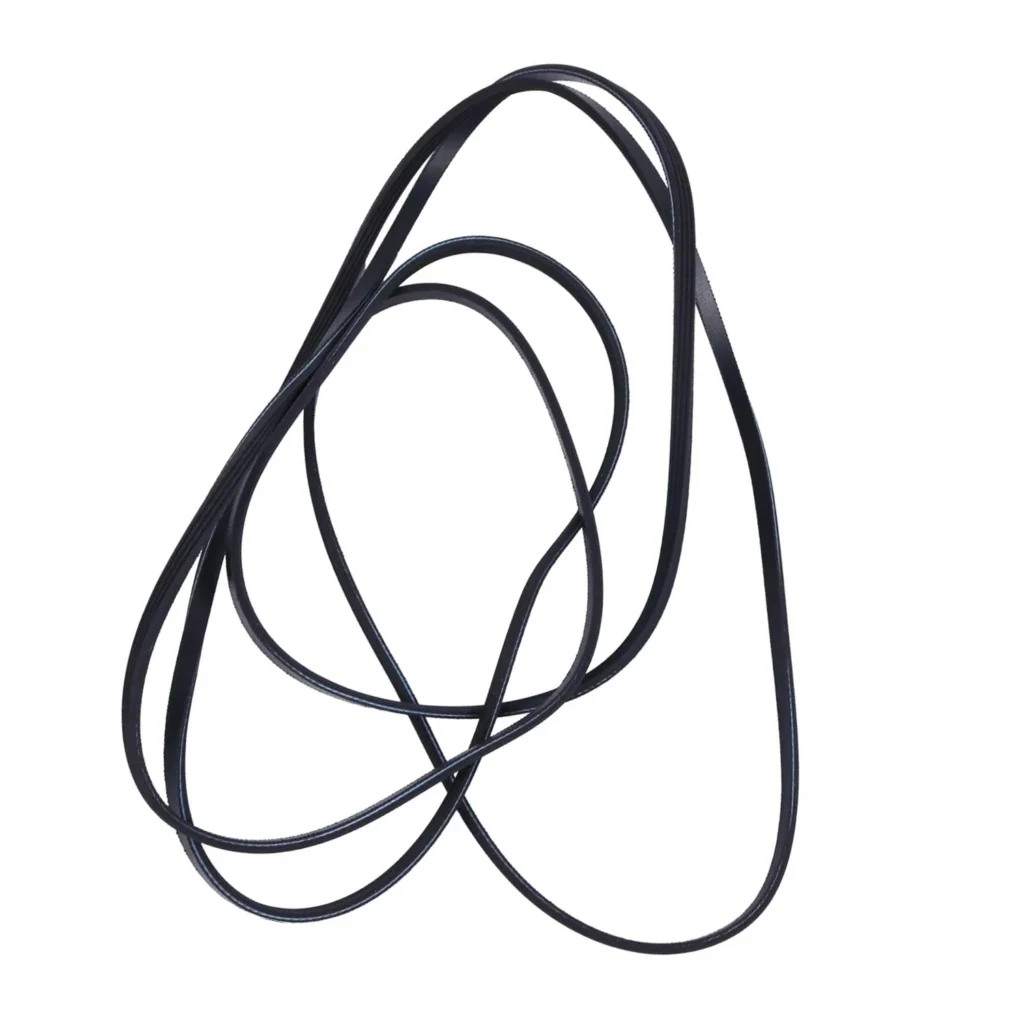
Most dryer drum belts fail between 5-8 years, but I've seen dozens that lasted 12+ years with the right care. The difference? About five minutes of attention every few months and knowing what sounds mean trouble before the belt snaps mid-cycle.
The 8547157 belt drives everything in models like the WED7300XW0, WGD7800XW0, and Kenmore 110.67032600. When it goes, your drum stops spinning — and you're looking at wet clothes and a $50+ repair.
How Long Should It Last?
Standard lifespan for a quality drum belt is 6-8 years with normal use. That's about 2,000-3,000 drying cycles. But here's what actually determines when yours fails:
- Load size matters more than you think. Overloading creates friction and heat that degrades rubber 30% faster.
- Dryer placement. Units in garages or unheated spaces experience temperature swings that crack belts prematurely.
- Drum bearing condition. Worn drum rollers make the belt work harder, shortening its life by years.
- Lint buildup around the motor pulley. Acts like sandpaper on the belt surface.
I've replaced belts that failed at 3 years and others still running strong at 14. The difference is almost always maintenance.
Signs It's Wearing Out
Your dryer tells you when the belt needs attention. You just have to listen — and look.
Noisy Operation
Squealing during startup or a rhythmic thumping every rotation means the belt's losing grip. The rubber develops glazed spots or frays at the edges. On Whirlpool models like the WED8500BW0, you'll hear this most clearly during the first 30 seconds after starting a cycle.
Don't ignore squealing. That's friction creating heat, which accelerates deterioration. What starts as occasional noise becomes a daily screech within weeks.
Drum Not Spinning or Intermittent Rotation
The drum turns for a few seconds then stops, or it doesn't spin at all even though the motor's running. This happens when the belt stretches enough to slip off the motor pulley or develops cracks that catch on the idler pulley.
Pull the lint screen and shine a light down — sometimes you can actually see the belt flopping around instead of maintaining tension.
Black Dust or Rubber Smell
Check around the dryer vent and inside the drum. Fine black powder or a burning rubber odor during operation means the belt's shedding material. The drum rollers or motor pulley might be misaligned, grinding the belt surface.
This isn't normal wear. It's accelerated failure, and the belt probably has days, not months, left.
Monthly Maintenance That Adds Years
You can't access the belt without opening the cabinet, but you can maintain the conditions that keep it healthy:
Clean the entire lint path monthly. Pull the dryer out, disconnect the vent, and vacuum behind the drum. Lint that settles on the motor pulley creates friction points that wear grooves into the belt.
Run smaller loads. A crammed drum puts constant strain on the belt and idler pulley. If you're stuffing king-size comforters in regularly, you're shortening belt life by years.
Check the drum for resistance. Unplug the dryer, open the door, and manually rotate the drum. It should spin freely with slight resistance. If it's hard to turn or wobbles side-to-side, your drum rollers are shot — and they're destroying the belt.
Listen for bearing noise. Once a month, run an empty cycle and listen. Grinding, squeaking, or rumbling means worn components that make the belt work harder than designed.
When to Replace vs Maintain
Here's the honest decision framework:
Replace immediately if:
- The drum won't spin at all
- You see visible cracks or fraying along the belt edges
- The belt feels brittle or has developed a permanent curve (can't lay flat)
- You smell burning rubber during normal operation
You've got time if:
- Squealing only happens on startup and stops within 15 seconds
- The drum spins fine but makes occasional thumping noises
- You're planning a move soon (replace before moving the dryer)
Don't wait for complete failure. When the belt snaps, it sometimes damages the idler pulley or motor pulley. A $50 belt replacement becomes a $120+ repair.
For models like the WGD7600XW1 and WED7400XW0, keeping the belt in good shape also protects the drum glides and rollers. Everything's connected.
Frequently Asked Questions
How often should I replace my dryer belt even if it's working?
If it's working properly — drum spins smoothly, no noise, no smell — there's no set replacement interval. I've seen original belts running fine after 12 years. Replace it when you notice symptoms, not by calendar. That said, if your dryer's over 10 years old and you've never changed the belt, consider doing it proactively during your next repair. The rubber does eventually harden.
Can I lubricate a squeaky dryer belt?
No. Never spray lubricant on a dryer belt. It'll soften the rubber temporarily but attract lint that'll turn into grinding paste. Squealing means the belt's glazed, the drum rollers are worn, or the idler pulley bearing is shot. Find the actual cause. Clean the motor pulley with rubbing alcohol, check the drum rollers, and inspect the idler pulley for play.
Why does my belt keep breaking after replacement?
If you've replaced the belt twice in two years, you've got an underlying problem. Usually it's worn drum support rollers creating drag, a seized idler pulley bearing, or the drum's misaligned because the front or rear glides are worn through. The belt's a symptom, not the cause. Check every rotating component before installing another belt or you'll be replacing it again in six months.
Element showing wear?
8547157 · Replace before it fully fails