
How to Extend Your Whirlpool Spark Electrode Life — Maintenance Guide
Always disconnect power at the breaker before cleaning or inspecting the spark electrode. Never use water near the electrode while power is connected. Allow all components to dry completely before restoring power to prevent electrical shock or damage to the ignition module.
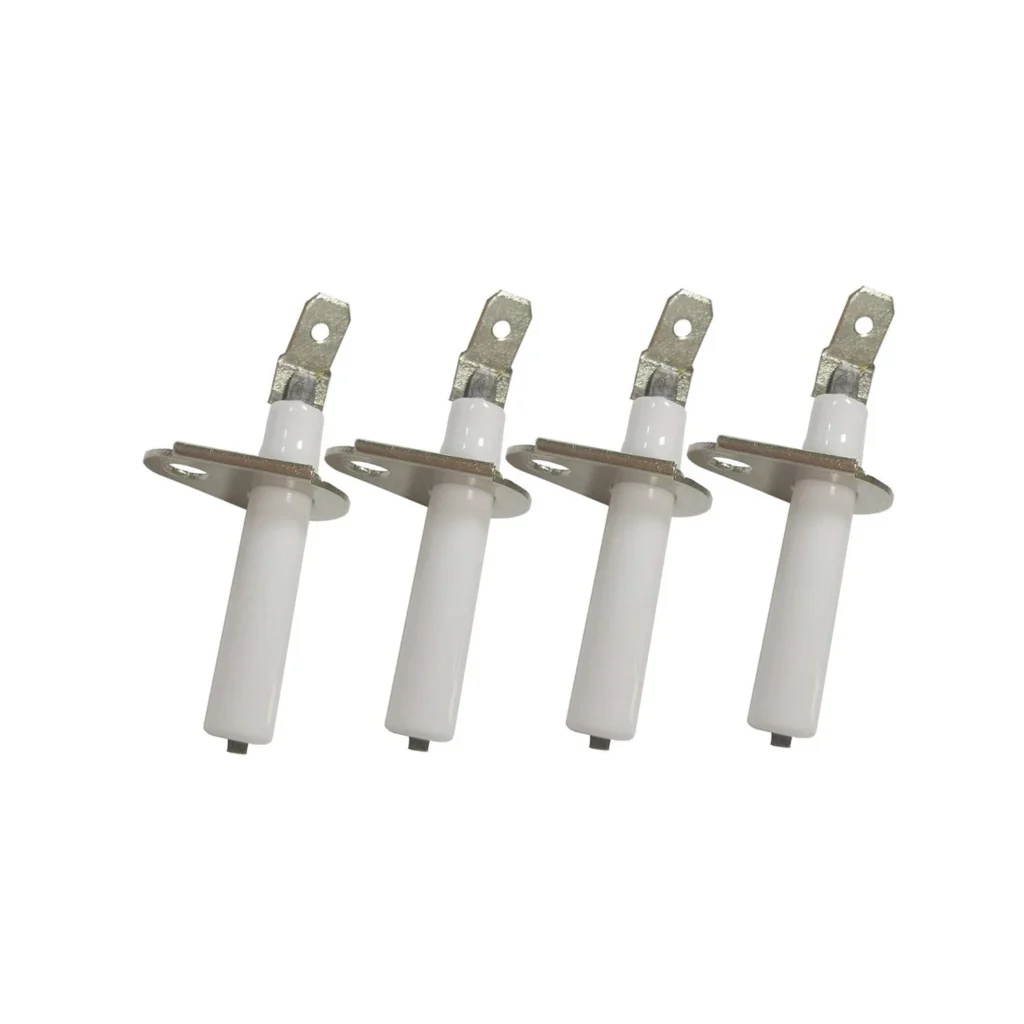
Most spark electrodes fail between 3-5 years, but here's the thing: about 60% of those failures are preventable. If you've got a Whirlpool, Maytag, or KitchenAid gas range with models like the FGS325RQ or GS440LEMQ series, that little ceramic electrode is the only thing standing between you and a stovetop you light with a match. One user who replaced theirs put it this way: "Could have bought it cheaper elsewhere, but having to replace it in a year would not have been fun. Glad I got the good part and did it right." Let's make sure you get the maximum life out of yours.
How Long Should It Last?
A quality spark electrode like the 8523793 should give you 5-7 years under normal use. But "normal" is doing a lot of work in that sentence. If you're cooking daily, boiling over pasta water twice a week, and never cleaning the burner area, you're looking at 2-3 years tops. The electrode itself doesn't wear out from sparking — it fails because of contamination, corrosion, and physical stress from expansion and contraction.
What kills electrodes faster:
- Repeated boil-overs coating the ceramic with starch and minerals
- Cleaning products containing ammonia or chlorine that corrode the metal connector
- Using abrasive scrubbers that scratch the ceramic insulation
- Moisture accumulation from steam or incomplete drying after cleaning
With proper maintenance? You can push that electrode past 8 years. The difference is knowing what you're protecting it from.
Signs It's Wearing Out
Your electrode will tell you it's struggling long before it completely fails. Pay attention to these warnings on models like the CGS365HQ8 or FGS337KW series:
Gas Igniter Glows But Will Not Light
This is the classic symptom of electrode degradation. You turn the knob, you hear clicking, maybe see a faint spark, but the gas won't catch. What's happening: the electrode tip has worn down or gotten coated with enough residue that the spark gap is too wide. The spark is traveling, but it's not strong enough or positioned right to ignite the gas stream. If you have to turn the knob multiple times before the burner catches, you're already in early failure mode.
Intermittent Clicking or Sparking
The electrode clicks constantly even when burners are off, or it sparks inconsistently when you try to light a burner. This points to moisture infiltration or a crack in the ceramic insulation. Water creates electrical paths where they shouldn't exist. If this happens right after cleaning, you didn't let things dry completely. If it's random, you've got a physical crack allowing humidity to reach the conductor.
Element Will Not Heat At All
Total failure. No spark, no click, no ignition. At this point the electrode's internal conductor has either corroded through, the ceramic has cracked completely, or the connection terminal has failed. You're done — replacement is the only option. But you shouldn't get here if you're catching the earlier symptoms.
When to Replace vs Maintain
Here's the honest decision tree: if you're seeing intermittent issues more than once a week, or if cleaning the electrode doesn't restore full function, replace it. Don't waste time trying to nurse a dying electrode along. As one user noted after their replacement, "getting to this part to change it would take a while, and it would be even worse if I twisted off a bolt." You don't want to be doing this job twice.
Replace immediately if:
- The ceramic has any visible cracks or chips
- The metal tip is worn down more than 1/8 inch from original length
- You see discoloration or pitting on the metal conductor
- Cleaning doesn't restore reliable ignition within 2-3 attempts
Maintain and monitor if:
- Ignition works but takes 3-5 seconds longer than it used to
- You occasionally see weak sparks but they still light the gas
- There's visible residue but no physical damage to the ceramic
The 8523793 electrode costs $32.99. A service call costs $150-250. Do the math — if you're on the fence, replace it yourself and get another 5+ years of reliable ignition.
Frequently Asked Questions
Can I clean the spark electrode with steel wool or SOS pads?
No. Never use abrasive scrubbers on the ceramic insulator. Steel wool and abrasive pads create microscopic scratches that trap moisture and grease, which then causes accelerated corrosion. Use a soft toothbrush with warm soapy water, or for stubborn buildup, a plastic scraper and isopropyl alcohol. The ceramic should stay smooth and glossy.
Why does my electrode keep clicking after I turn off the burner?
Residual moisture or grease on the electrode surface is creating an unintended electrical path. The spark module detects the short circuit and keeps trying to generate a spark. Unplug the range or turn off the breaker, let everything cool completely, then clean the electrode and the surrounding burner base with alcohol. Make sure it's bone dry before turning power back on. If it continues, the ceramic insulation has cracked internally and you need a new electrode.
How close should the electrode tip be to the burner cap?
The spark gap should be 1/8 to 3/16 inch — about the thickness of two credit cards stacked. Too close and the spark is weak, too far and it won't jump the gap reliably. When you clean your burners, always check that the electrode hasn't shifted. On models like the FGS326RD3 or GS440LELT0, the electrode is held by a single screw bracket that can loosen over time. If your gap has changed, gently bend the electrode back to the correct position or tighten the mounting screw.
Element showing wear?
8523793 · Replace before it fully fails