
How to Extend Your Whirlpool Dishwasher Thermal Fuse Life — Maintenance Guide
Always disconnect power before testing or replacing thermal fuses. These components carry line voltage and are located near heating elements that can cause burns even after power is off.
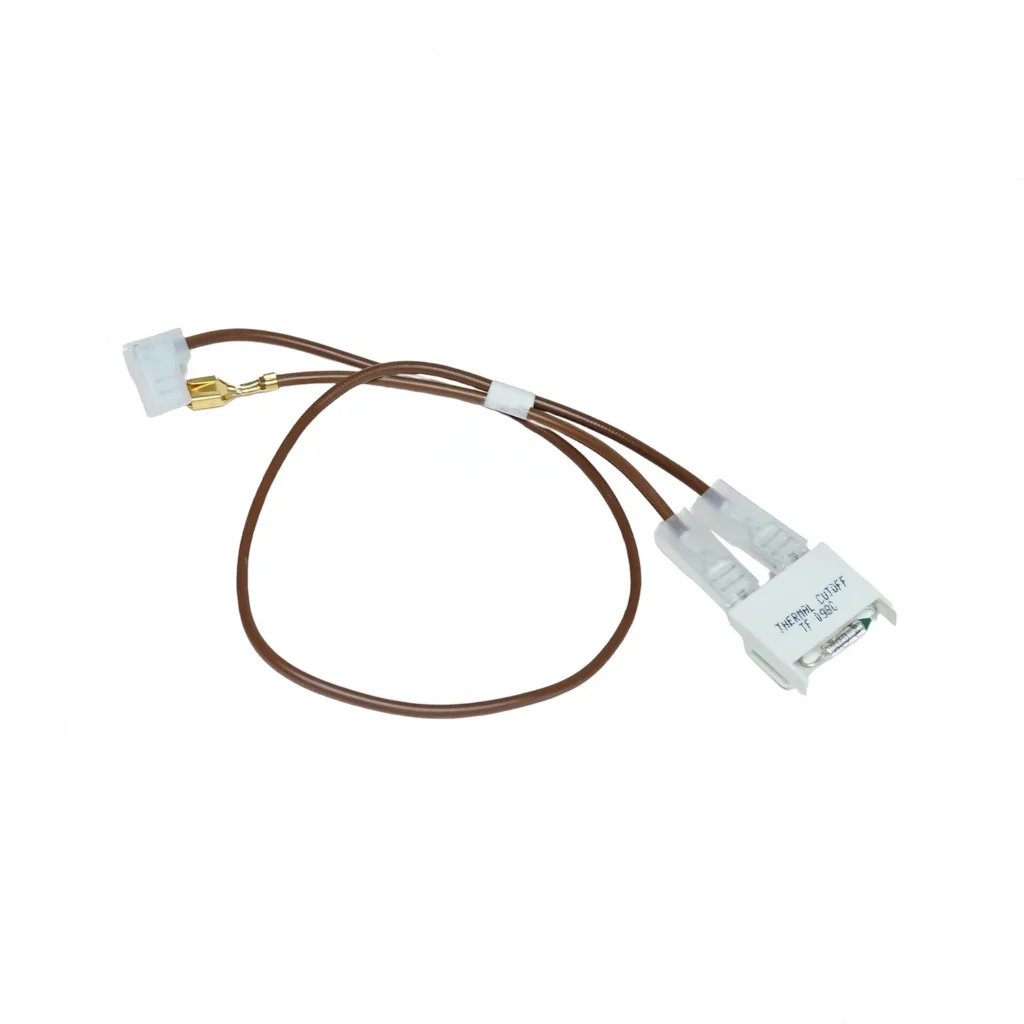
Most thermal fuses in Whirlpool dishwashers like the DU920QWDB4 or DU945PWPQ2 fail between year 4 and 7. But here's the thing—they're not really designed to "wear out." They're designed to blow once and protect your machine from fire. When yours trips, it's because something else went wrong first.
The 675813 thermal fuse and harness assembly sits near your dishwasher's heating element, monitoring temperature constantly. It's a one-time safety device rated for 184°F. Once it blows, you replace it. But you can absolutely prevent it from blowing prematurely by addressing the conditions that cause overheating.
How Long Should It Last?
Under normal conditions, a thermal fuse should last the lifetime of your dishwasher—10 to 15 years. It only fails when temperatures exceed its threshold, which shouldn't happen if everything else works correctly.
What kills them early:
- Restricted airflow around the heating element or control board area
- Failed heating element that shorts and creates hot spots
- Clogged filters forcing the heater to work overtime during dry cycles
- Faulty thermostats that don't regulate temperature properly
- Poor ventilation in enclosed cabinet installations
The DU920 and DU940 series Whirlpool models seem particularly sensitive to heat buildup if the bottom spray arm gets clogged. Water doesn't circulate, the element stays on longer, and the fuse eventually says "enough."
Signs It's Wearing Out
Unlike parts that gradually decline, thermal fuses work perfectly until they don't. But you can catch problems before the fuse blows by watching for these warning signs:
Dishwasher Won't Start or Complete Cycle
You press start, you hear the initial fill, then nothing. Or it washes but won't advance to the dry cycle. The thermal fuse on models like the DU943PWKB0 is wired in series with the control circuit—when it's blown, power can't reach the necessary components.
Test it with a multimeter. You should see continuity (zero ohms). If it reads open circuit, it's done.
Burning Smell During or After Wash
If you smell electrical burning or hot plastic, don't ignore it. Something's overheating—maybe the element, maybe the harness connections. The fuse might not have blown yet, but conditions are right for it to happen soon.
Immediately check the heating element for visible damage, test its resistance (should be 15-30 ohms for most Whirlpool elements), and inspect wire connections for melting or discoloration.
Dishes Come Out Cold and Wet
No heat at all usually means the fuse already blew. The heating circuit is interrupted. Some people assume it's a bad element, but the element won't energize if the fuse is open.
On the DU948PWKQ1 and similar models, this assembly includes both the fuse and harness. If you're replacing it, you get fresh wiring connections too, which matters if heat damaged the original connectors.
Maintenance That Actually Prevents Fuse Failure
Since thermal fuses blow in response to excessive heat, your goal is simple: keep the dishwasher from overheating.
Clean the Filter Monthly
Pull out the bottom filter assembly and rinse it thoroughly. Food buildup restricts water flow, which means poor circulation and longer heating cycles. The element works harder, temperature climbs, and your fuse is at risk.
Takes three minutes. Prevents a $36 repair and an hour of labor.
Inspect Heating Element Every Six Months
Look for white mineral buildup, corrosion, or visible damage. Test resistance with a multimeter—if it's out of spec or shows a short to ground, replace it before it takes the thermal fuse with it.
The element on the DU920PFGQ3 and PFGB3 models sits exposed at the bottom. Easy to check visually.
Check Vent and Cabinet Clearance
Whirlpool dishwashers vent steam through the door gap or a dedicated vent. If you've got the machine wedged tight into cabinetry with no air gap, heat builds up around the control board and fuse location.
Ensure at least 1/4 inch clearance on sides, and verify the door vent isn't blocked by custom panel installations.
Run Hot Water Before Starting a Cycle
Let your kitchen tap run until water's hot, then start the dishwasher. This reduces how long the heating element needs to run, lowering thermal stress on all components including the fuse.
Also helps with cleaning performance, but that's a bonus.
When to Replace vs Maintain
Here's the truth: once a thermal fuse blows, you replace it. There's no resetting it, no repairing it. It's a one-shot safety device.
But before you install the 675813 replacement, you need to figure out why it blew. Just swapping the fuse without fixing the underlying cause means you'll be replacing it again in weeks or months.
Replace immediately if:
- You've confirmed it's open with a multimeter test
- The dishwasher won't start and all other components test good
- You've already identified and fixed the overheating cause (bad element, clogged filter, etc.)
Don't replace yet if:
- You haven't tested the heating element for shorts or damage
- The thermostat hasn't been checked
- You're still getting intermittent operation (fuse is probably still intact, something else is wrong)
The 675813 comes with the harness, so you're also getting fresh wire connections. That's valuable if the old harness showed heat damage or brittle insulation.
Installation Notes for Longevity
When you do replace it, don't just plug it in and slam the panel back on. Take an extra five minutes:
- Route the harness away from the heating element. Keep it as far from direct heat as possible within the mounting area.
- Secure connections firmly. Loose connections create resistance, which creates heat, which is exactly what you're trying to avoid.
- Don't over-tighten mounting screws. You can crack the fuse body or stress the terminals.
On models like the DU940PWKB0 and DU943PWKT0, the fuse mounts near the top of the tub. You'll need to remove the lower front panel and possibly the kickplate to access it. The harness connects to the main control board.
Frequently Asked Questions
Can I bypass the thermal fuse temporarily to test if that's the problem?
Technically yes—you can jump the connections to see if the dishwasher operates. But don't leave it that way. The fuse is your fire protection. If it blew, something caused overheating. Running without it is asking for melted wiring or worse.
Use this test only for diagnostics, then immediately reinstall a working fuse before running a full cycle.
Why does the 675813 include a harness instead of just the fuse?
Heat damage often affects the wire insulation and connector terminals near the fuse. Whirlpool packages them together so you're replacing both wear points at once. It's actually a better design than fuse-only replacements—you get a complete refresh of that circuit section.
The harness also ensures correct wire gauge and heat rating, which matters when you're carrying heating element current.
How do I know if my heating element caused the fuse to blow?
Test the element for continuity and for shorts to ground. You should get 15-30 ohms between the terminals (varies by model), and infinite resistance from either terminal to the metal tub or ground.
If you get continuity to ground, the element's shorted and definitely caused your fuse to blow. Replace the element first, then install the new fuse. Otherwise you'll blow the new fuse on the first cycle.
Element showing wear?
675813 · Replace before it fully fails