
How to Extend Your Refrigerator Defrost Thermostat Life — Maintenance Guide
Always disconnect power before accessing freezer components. Ice buildup can conceal sharp evaporator fins. If frost buildup is extreme, allow refrigerator to defrost completely before accessing thermostat to avoid water damage.
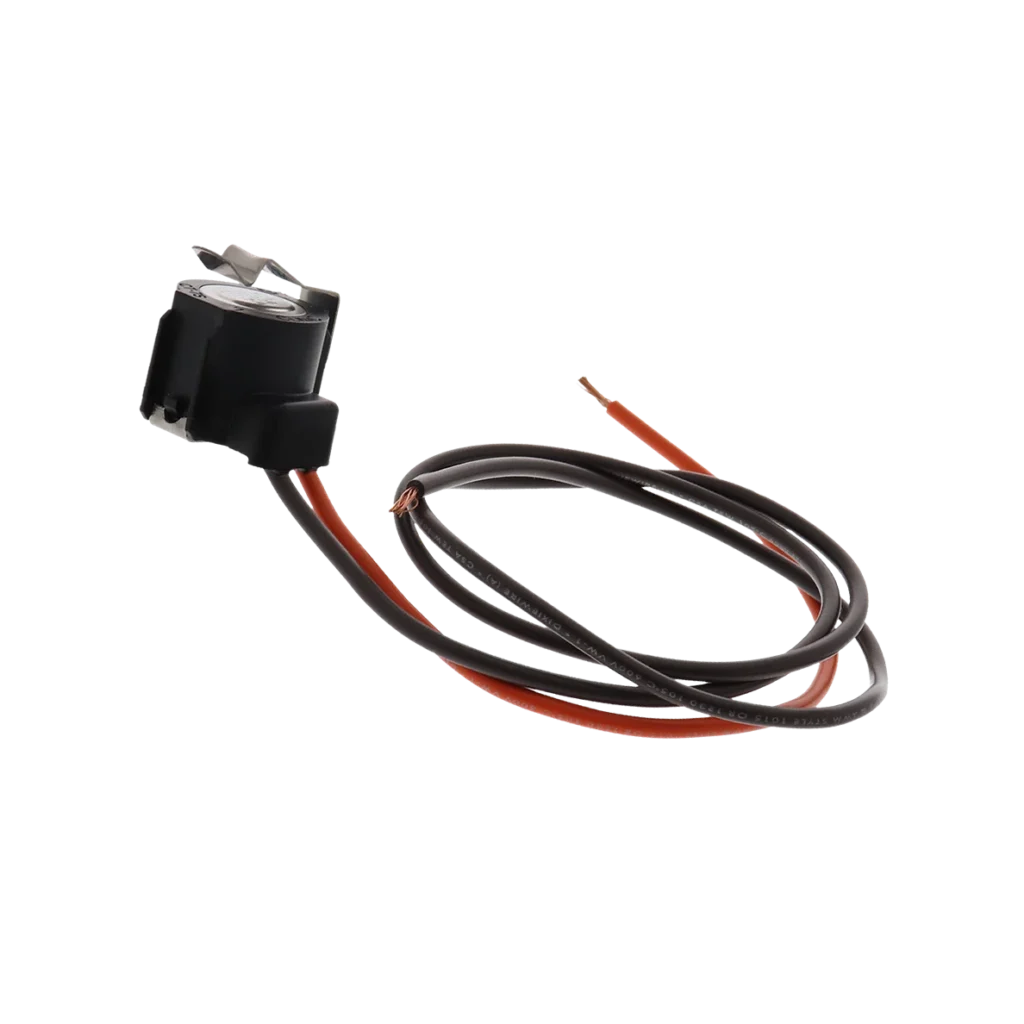
Here's what most people don't realize: a defrost thermostat should last 8–12 years, but in poorly maintained refrigerators, they fail in 3–5 years. The difference? Usually just frost buildup forcing the part to work overtime until it burns out.
The 67003426 defrost thermostat is a temperature-triggered switch that tells your refrigerator when to start and stop the defrost cycle. It's mounted directly on the evaporator coils in your freezer section — which means it's constantly exposed to moisture, temperature swings, and ice. When it fails, you'll end up with either a refrigerator that won't defrost (leading to massive frost buildup) or one that defrosts too often (making your freezer too warm).
How Long Should It Last?
In normal conditions, a defrost thermostat should last the better part of a decade. But "normal conditions" is doing a lot of work in that sentence.
What affects lifespan:
- Door seal condition — Poor seals let warm, moist air in, creating more frost and forcing more defrost cycles
- Ambient humidity — High humidity environments (like basements or garages) create more frost naturally
- How often you open the door — Each opening introduces moisture
- Freezer temperature setting — Running it colder than necessary creates more frost
- Ventilation around the unit — Poor airflow makes the compressor work harder, affecting the entire cooling system
This part is compatible with Whirlpool, Maytag, KitchenAid, Amana, and Kenmore models including the MBF2255KEB, KBRS22ETSS00, and EB9SHKXVQ. It replaces part numbers WP67003426, 8208287, and 12639302.
Signs It's Wearing Out
The defrost thermostat doesn't gradually decline — it usually works fine until it suddenly doesn't. But there are warning signs if you know what to look for.
Frost Buildup on the Back Wall
If you're seeing thick frost accumulating on the back wall of your freezer section, that's your first red flag. A working defrost thermostat should trigger defrost cycles regularly enough to keep ice buildup minimal. When it fails in the closed position (always telling the system not to defrost), frost just keeps building. You'll notice it starts as a thin layer, then becomes a solid ice sheet within a week or two.
Freezer Section Too Warm
The opposite failure mode: the thermostat gets stuck open and tells your refrigerator to defrost constantly. Your freezer won't maintain temperature because it's always in defrost mode. Ice cream gets soft, frozen vegetables turn mushy. Check your freezer temp — if it's running above 10°F consistently, and you're hearing the compressor running normally, suspect the defrost thermostat.
Fridge Too Warm While Freezer Works Fine
This one's counterintuitive. Massive frost buildup on the evaporator coils (caused by a failed defrost thermostat) blocks airflow to the refrigerator section. Your freezer might still seem okay because it's closest to the coils, but your fridge section can't get cold air. If your fridge is warm but you hear the compressor running and the freezer feels cold, pull out the lower freezer panel and check for ice buildup on the coils.
Preventive Maintenance Schedule
Most refrigerator failures aren't mechanical — they're environmental. Here's how to keep moisture and frost from killing your defrost thermostat early:
After each defrost cycle (automatic): Nothing required from you, but understanding the cycle helps. Your refrigerator automatically defrosts every 8–12 hours of compressor run time. The defrost thermostat should close (activate defrost) around 32°F and open (end defrost) around 55–60°F.
Monthly check: Open your freezer and look at the back wall. You should see minimal to no frost. If you're seeing buildup starting, it's time to investigate. Also check your door seals — close the door on a dollar bill and try to pull it out. If it slides out easily, your seal needs replacement.
Every 6 months: Pull the refrigerator out from the wall and vacuum the condenser coils (usually on the back or underneath). Dirty coils make your compressor run longer, which means more heat cycles and more stress on every component. Also check the drain pan and defrost drain tube — if that tube clogs, water backs up and creates extra ice in the wrong places.
When to Replace vs Maintain
Let's be honest: there's no "maintaining" the thermostat itself. It's a sealed bimetallic switch. You can't oil it, clean it, or tune it up.
What you're actually maintaining is the environment around it. If you're finding frost buildup despite monthly checks, or if your refrigerator is cycling between too warm and too cold, the thermostat has likely failed. At $49.99, the 67003426 is cheaper than the food you'll lose to spoilage, and way cheaper than letting ice buildup damage other components.
Replace immediately if:
- You have continuous frost buildup that returns within days of manual defrosting
- Your freezer won't stay below 10°F
- Your fridge section is warm while the compressor runs constantly
- You hear the defrost heater running continuously (rare but dangerous — fire risk)
You can probably wait and monitor if:
- Frost buildup is minimal and slow-growing
- Temperatures are stable but you're noticing slightly more frost than usual
- You recently moved the fridge or changed the environment (new garage installation, etc.)
The Bigger Picture
Here's what I tell people: the defrost thermostat is a $50 part that protects your $1,500 refrigerator. When it works, you never think about it. When it fails, it can take out the defrost heater, the control board, or even cause enough ice buildup to crack the evaporator coils.
Most importantly — if you're manually defrosting your refrigerator more than once a year, something's wrong. That's not normal. Either the defrost thermostat is failing, the defrost timer is bad, or there's an environmental issue causing excessive moisture. Don't just keep scraping ice and hoping it gets better.
Frequently Asked Questions
How do I know if my defrost thermostat is bad or if it's the defrost timer?
The thermostat is temperature-activated; the timer is on a clock. If you have frost buildup but your refrigerator still defrosts occasionally (just not often enough), suspect the timer. If you have continuous frost that never defrosts on its own, or if defrosting happens constantly, suspect the thermostat. The definitive test: disconnect the thermostat and test it for continuity at different temperatures — it should be closed (continuous) below 32°F and open above 55°F.
Can a bad door seal cause defrost thermostat failure?
Indirectly, yes. A bad door seal lets humid air in, creating excessive frost. That forces more frequent defrost cycles, which means the thermostat switches on and off more often. Eventually those extra cycles wear it out. Fix your door seals and you'll extend the life of multiple components, not just the defrost thermostat.
My refrigerator is in my garage — does that matter?
It matters a lot. Garages have high humidity and temperature swings that most refrigerators aren't designed for. If you're in a humid climate, expect your defrost thermostat to work overtime. Check for frost buildup monthly, not every few months. Consider a dehumidifier in the garage if you're constantly fighting frost issues.
Element showing wear?
67003426 · Replace before it fully fails