
How to Extend Your LG Hall Sensor Life — Maintenance Guide for 6501KW2001A
Always unplug washer before inspecting motor area. The hall sensor operates at low voltage but sits next to 120V motor connections. Never spray water directly into motor housing area.
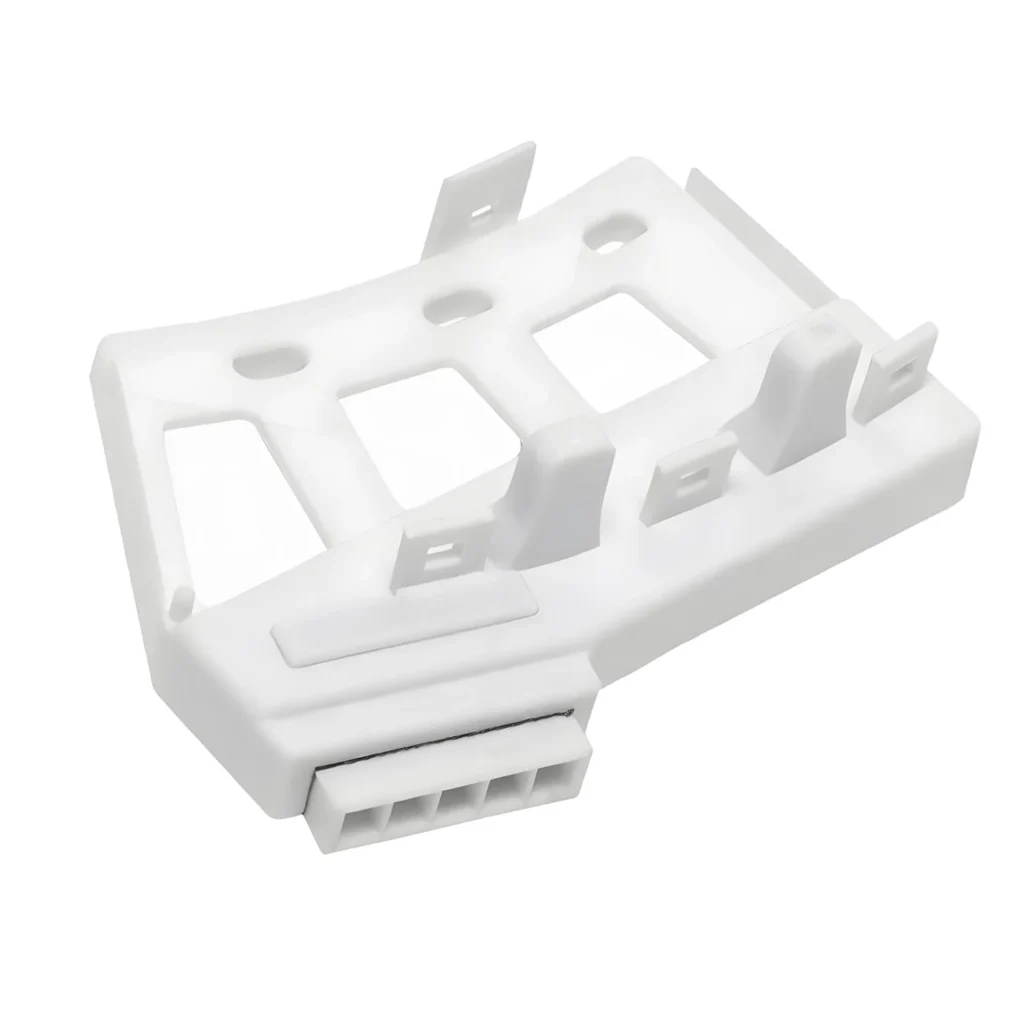
Here's something most LG washer owners don't know: the rotor position sensor (hall sensor) in your machine should last 8-12 years, but most fail between 4-6 years. The difference? How your washer's been used and maintained. If you've got a WM2016CW, WM3455HS, or any of the 2000s-era LG front-loaders, this applies to you.
The hall sensor — part number 6501KW2001A — sits right next to the rotor assembly, constantly reading magnetic field changes to help your washer's control board know exactly where the drum is during the spin cycle. It's doing this thousands of times per load, in a humid, vibrating environment. Let's talk about keeping it alive longer.
How Long Should It Last?
Under normal conditions, the hall sensor should outlive most other washer components — we're talking 10+ years. But here's what shortens its life:
- Moisture exposure: Water leaks from door seals or hose connections create corrosion on the sensor's terminals
- Excessive vibration: Unbalanced loads shake the sensor connections loose over time
- Detergent residue: Buildup around the motor assembly can trap moisture against the sensor housing
- Power surges: Electrical spikes can damage the sensitive electronics inside
The sensor itself has no moving parts, so mechanical wear isn't the issue. It's the environment around it that does the damage.
Signs It's Wearing Out
Since we're dealing with a magnetic position sensor, failures show up as spin cycle issues and error codes. Watch for these:
Inconsistent Spin Speeds
Your washer starts the spin cycle normally, then suddenly drops to a crawl or stops entirely. Restart it, and it works fine for a few loads before doing it again. This happens because the sensor's sending intermittent signals — the control board can't maintain consistent motor speed without reliable position data.
LE or UE Error Codes That Won't Clear
You've redistributed the load three times, and the washer still throws an LE (locked motor) or UE (unbalanced) error. The drum spins freely when you turn it by hand. That's often a failing hall sensor — the control board thinks the motor's stuck because it's not getting proper position feedback, even though nothing's mechanically wrong.
Loud Humming During Spin Attempt
The motor hums loudly but the drum barely moves, or it jerks and stops. The hall sensor tells the control board which phase of the motor to energize next. When that signal's corrupted or missing, the motor can't establish proper rotation — it just sits there pulling current and humming.
Washer Completes Wash But Skips Spin
Everything works until the final spin. The washer drains, then just sits there with soaking wet clothes. No error code, no noise — it just gives up. This is your control board playing it safe because the hall sensor readings don't make sense, so it refuses to attempt high-speed spinning.
When to Replace vs Maintain
Let's be straight: you can't really "repair" a hall sensor. Once the internal components fail or the housing cracks, you're replacing it. But you can absolutely prevent premature failure.
Replace immediately if:
- You see visible corrosion on the sensor terminals (green or white crusty buildup)
- The sensor housing is cracked or broken
- Continuity testing shows open circuits in the sensor wiring
- You're consistently getting LE codes and you've already ruled out a bad stator or rotor
Focus on prevention if:
- Your washer's still under 5 years old and working normally
- You've had minor spin issues that cleared up after redistributing loads
- You live in a humid climate or your washer's in a damp basement
- You run large, heavy loads frequently (comforters, rugs, work clothes)
The 6501KW2001A typically costs around $39, which is cheap compared to a service call. But if you can get 12 years out of it instead of 5, that's still $39 saved and no downtime.
Preventive Maintenance Schedule
After each use: Leave the door open for 2-3 hours to let moisture evaporate from the drum and motor area. Wipe down visible water from the door seal. This keeps humidity away from the hall sensor's environment.
Monthly: Check that your washer's level and stable on all four feet. Grab the top corners and try to rock it — there should be zero movement. Vibration from an unlevel washer loosens the hall sensor's connector and wiring over time. Also check behind the washer for any signs of water leaks from hoses.
Every 3 months: Run a cleaning cycle or a hot water cycle with two cups of white vinegar and nothing else. This breaks down detergent and fabric softener residue that can work its way into the motor assembly area. Skip the bleach for this — vinegar's better at dissolving waxy buildup.
Annually: Pull the washer out and vacuum the entire back panel area, especially around the motor. Lint, dust, and detergent powder create a paste that traps moisture. While you're back there, inspect the wire harness going to the motor — look for any rubbing, kinks, or damage. A worn wire jacket can cause shorts that'll take out your hall sensor instantly.
Every 2-3 years: If you're comfortable doing it, pull the rotor off (it's usually held by a bolt in the center) and inspect the hall sensor mounting directly. Look for any water staining, corrosion, or buildup around the sensor. Clean it gently with isopropyl alcohol on a cotton swab if needed. This is also when you'd want to check that the sensor connector is still firmly seated — they can work loose from vibration.
The Load Balancing Factor
Here's something they don't tell you in the manual: how you load your washer directly impacts hall sensor life. When you overload one side of the drum or wash a single heavy item, the resulting wobble during spin creates wild fluctuations in the magnetic field the sensor's trying to read.
The control board compensates by constantly adjusting motor speed and direction, which means the hall sensor's working overtime. Do that every day for a year, and you've aged your sensor faster than five years of balanced loads would.
So yeah, sorting your laundry and not jamming the drum full actually extends electronic component life. Who knew?
Frequently Asked Questions
Can a failing hall sensor damage other washer components?
Yes, indirectly. When the hall sensor sends bad position data, your control board might command the motor to do things that stress the stator, rotor, or motor windings. I've seen cases where a failing hall sensor led to a burned-out stator because the control board kept trying to force rotation against what it thought was resistance. If you're getting consistent LE codes, don't keep running the washer — diagnose it first.
Will using a surge protector help extend hall sensor life?
Absolutely. The 6501KW2001A contains solid-state electronics that are sensitive to voltage spikes. A quality surge protector rated for appliances (look for at least 2000 joules and EMI/RFI filtering) will protect against the small power fluctuations that gradually degrade sensor components. It's $30-40 insurance for a part that costs the same to replace.
Does the replacement sensor 6501KW2001B last longer than the original 6501KW2001A?
The B and D variants are superseded parts — they're engineering updates that address issues found in earlier versions. Generally yes, the newer revisions have improved moisture sealing and better terminal protection. When you replace yours, you'll likely get the current revision (6501KW2001D as of now), which should have better longevity than what originally came in your 2009 WM2016CW. LG doesn't publish specific reliability improvements, but field data suggests the updated versions hold up better in humid environments.
Element showing wear?
6501KW2001A · Replace before it fully fails