
How to Extend Your Whirlpool Dryer Idler Pulley Life — Maintenance Guide
Never lubricate the idler pulley bearing — grease attracts lint and accelerates wear. The bearing is factory-sealed.
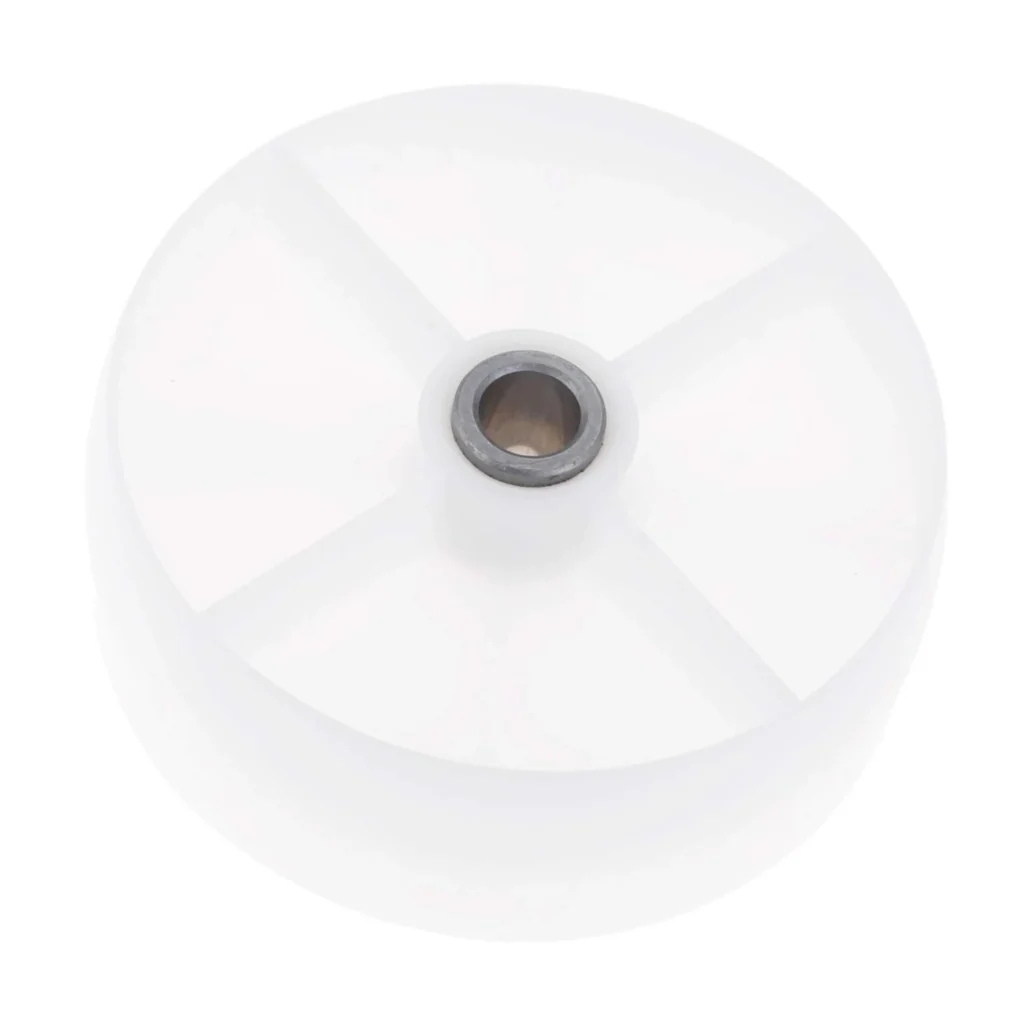
Most dryer idler pulleys should last 10–15 years. Yet most Whirlpool, Maytag, and Jenn-Air owners find themselves replacing this $15 part every 5–7 years. The difference? How you maintain it and what you don't do to it.
The idler pulley on models like the Maytag LDE312, LDG110, or Whirlpool DE107 keeps tension on your dryer belt. It spins thousands of times per load — and it's surprisingly easy to extend its life with basic maintenance habits.
How Long Should It Last?
A factory idler pulley should give you 10–15 years of service under normal conditions. That's about 2,000–3,000 loads if you run 4–5 loads weekly.
What cuts that in half? Lint buildup around the bearing, overloading the dryer, and running it with a worn belt that creates extra friction. One user noted: "I found the Idler Arm and Idler Pulley were worn and loose" after dealing with noise for months — that wear accelerates fast once it starts.
Here's what affects lifespan:
- Lint accumulation: Lint gets into the bearing housing and acts like sandpaper
- Load size: Overloading creates more resistance and heat
- Belt condition: A frayed belt puts uneven pressure on the pulley
- Moisture: Running soaking-wet loads makes the motor work harder
The good news? Address these factors and you'll easily hit that 12–15 year mark.
Signs It's Wearing Out
Your dryer will tell you when the idler pulley needs attention. Don't ignore these warnings — catching them early prevents a $200 service call.
Loud Thumping Noise While Running
This rhythmic thump-thump-thump happens when the pulley bearing develops flat spots or the wheel itself cracks. The sound matches the drum rotation — about once per second. It's loudest when the dryer first starts, before everything warms up.
If you hear this on your Maytag DG303 or similar model, open the dryer and spin the pulley by hand. It should rotate smoothly and silently. Any resistance or grinding feeling means the bearing is shot.
Loud Squealing Noise That Changes Constantly
Unlike a steady squeal (which usually means a bad drum roller), this sound fluctuates. It gets louder, softer, changes pitch. That's the idler pulley struggling to maintain consistent tension as its bearing binds up.
One owner described it perfectly: the squealing "changes constantly" as the load tumbles. That variation is your telltale sign it's the idler, not another component.
Grinding Noise from the Idler Pulley
This is the final stage before complete failure. The bearing has worn through its races and metal is grinding on metal. You might also notice the dryer takes longer to dry clothes — the increased friction slows drum speed slightly.
At this point, the pulley can seize completely and stop the drum mid-cycle. Don't wait.
Simple Maintenance That Adds Years
Here's the counterintuitive part: the best maintenance for your idler pulley is what you don't do.
Never lubricate the bearing. Seriously. One tech noted: "No grease is advised on the bearings because they would gather lint and wear out even sooner." The factory bearing is sealed. Adding oil or grease just creates a lint magnet that'll kill it faster.
What you should do:
Clean the lint buildup every 6 months. Pull the front panel (just 2 screws on most models — one user said "I removed the front panel by removing 2 screws and lifting it up and out"). Vacuum around the idler assembly. Use a brush for packed-in lint near the pulley mount.
Check belt condition annually. A frayed or glazed belt creates uneven tension that wears the pulley bearing. Run your finger along both sides — you should feel no cracks, fraying, or slick spots. Replace the belt if you find any.
Don't overload the drum. If you're stuffing towels until the door barely closes, you're doubling the stress on that little pulley. Leave room for clothes to tumble freely.
Spin-dry heavy loads first. Soaking-wet jeans or towels make the motor (and pulley) work much harder. Run an extra spin cycle in your washer before transferring to the dryer.
When to Replace vs Maintain
If you hear any noise, it's too late for maintenance — the bearing is already damaged. Unlike drum rollers which you can sometimes nurse along, idler pulleys fail quickly once they start making noise.
The good news? Replacement is straightforward. As one DIYer put it: "Fix was trivial. Took less than 30 minutes to change the old parts out." You'll need basic tools — pliers, screwdrivers, and a socket set.
One tricky bit: "The belt routing is a bit unusual; the belt goes through a metal guide and wraps on the idler pulley." Take a photo before you remove anything. Better yet, use a telescoping mirror (as one tech recommends) to verify the belt seated correctly on the new pulley before you button everything back up.
Here's your decision framework:
- No noise, regular maintenance: Keep going — you're doing it right
- Occasional squeak that goes away: Check for lint buildup, inspect the belt
- Persistent noise of any kind: Replace the pulley immediately
- Dryer won't start: The pulley may have seized — check it first before calling service
For models like the Maytag LDE4910ACW, LDE4914ACL, or Whirlpool DE180, the part is the same: 6-3037050 (also sold as WP6-3037050 or AP6009855). It fits dozens of models across Whirlpool, Maytag, and Jenn-Air lines.
Frequently Asked Questions
Can I just replace the bearing instead of the whole pulley?
Technically yes, but it's not worth it. The bearing pressed into the pulley wheel is a standard sealed bearing, but removing it without damaging the plastic wheel requires a press and the right extractors. By the time you've done that, you've spent more time than the $15 pulley costs. Plus, if the bearing failed, the wheel is probably worn too — the belt creates grooves over time.
How do I know if it's the idler pulley or the drum rollers making noise?
Drum rollers create a rumbling sound that's consistent — same volume, same pitch throughout the cycle. The idler pulley makes noise that varies with load weight and drum speed. Remove the front panel and spin the drum by hand. If you hear clicking or feel resistance at the same spot each rotation, that's rollers. If everything feels smooth but you still hear noise when running, that's the idler.
Should I replace the idler arm spring at the same time?
If you're already in there, yes — especially if the spring looks stretched or corroded. The spring maintains proper belt tension. A weak spring lets the belt slip slightly, which accelerates idler pulley wear. They usually fail together. One owner replaced both after "the Idler Arm and Idler Pulley were worn and loose" — smart call. The spring costs $8–12 and takes 30 seconds to swap while you've got the panel off.
Element showing wear?
6-3037050 · Replace before it fully fails