
How to Extend Your Frigidaire Water Filter Head Life — Maintenance Guide
Turn off water supply before removing filter head. Relieve pressure by dispensing water until flow stops. Keep towels handy — residual water will drain when disconnecting lines.
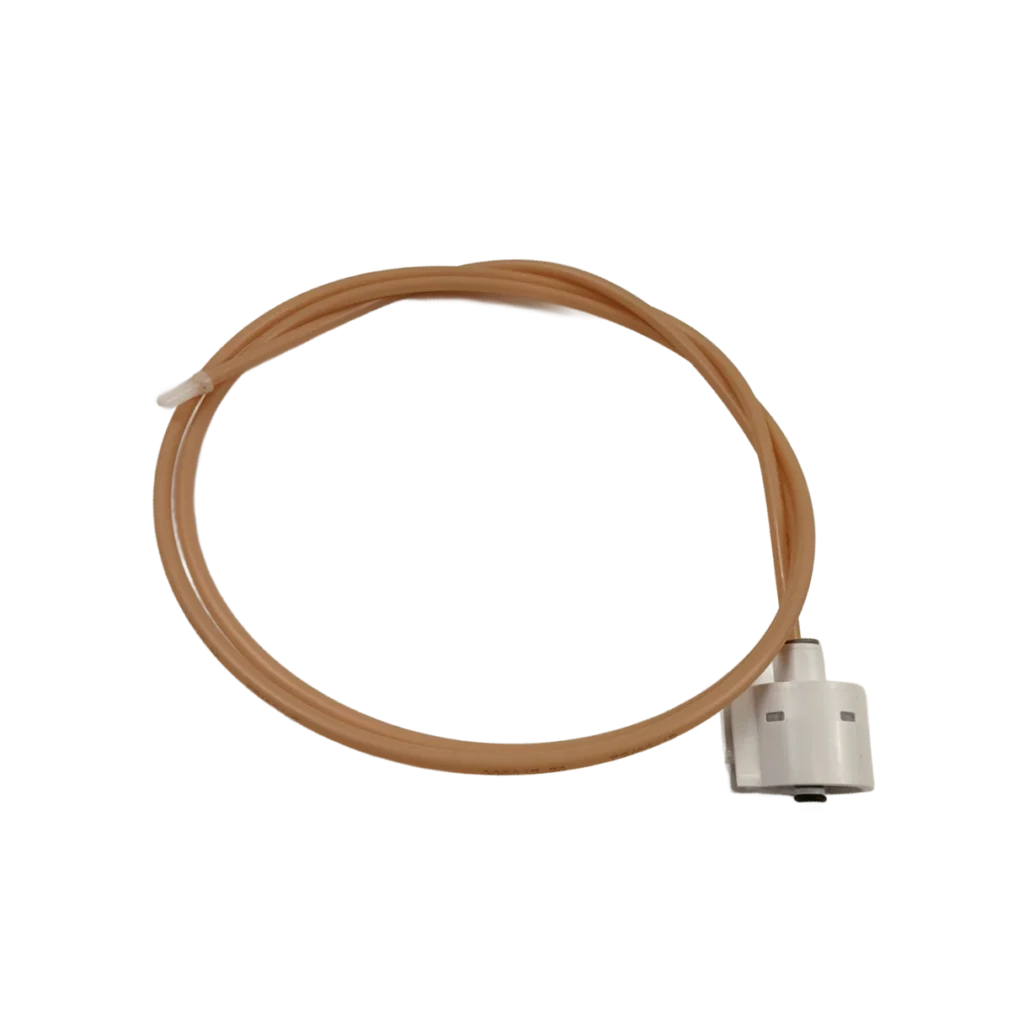
Most Frigidaire water filter heads fail between 5-7 years, but I've seen them last 12+ years with proper care. The catch? Most people don't realize this $54 part needs maintenance until they're already mopping up water from under their fridge.
The 5304522623 water filter head sits behind your filter cartridge, managing water flow between your home's water line and the dispenser. That small internal button and rubber seal handle constant pressure cycles every time you fill a glass. When they wear out, you'll know.
How Long Should It Last?
Under normal conditions, this filter head should last 7-10 years. I've replaced plenty at the 5-year mark, usually because nobody bothered with basic maintenance. The parts that fail first:
- Internal button mechanism: Wears from repeated filter changes
- Rubber O-ring seals: Dry out and crack over time
- Threaded housing: Cross-threads from improper filter installation
What kills them faster? Overtightening filters. Hard water deposits. Forgetting to change filters for 18 months until they're basically concrete. I've seen filter heads on models like the FPSS2677RF1 and FPBS2778UF5 fail in under 3 years because someone gorilla-gripped every filter change.
Signs It's Wearing Out
Your filter head talks to you before it fails completely. Here's what it's saying:
Water Filter Leaking
Small drips around the filter cartridge base mean the seal isn't mating properly anymore. You'll see water pooling in the filter compartment or running down the back wall inside your fridge. On Frigidaire models like the FPSC2278UF7, this usually starts as occasional dampness, then becomes a steady drip within weeks.
Water Won't Pass Beyond the Filter
You press the dispenser paddle and get nothing, or just a weak dribble. But remove the filter and water flows fine. That's the filter head's internal button sticking or the passage partially blocked. One customer told me: "Water would not work unless filter unscrewed and tightened again" — classic sign the head mechanism is wearing out.
Filter Won't Seal Properly
The filter cartridge spins freely but never feels like it locks in tight. You can wiggle it side to side even when fully installed. The threaded housing inside the head is stripped or the locking tabs are worn smooth. This happens on high-use households where filters get changed monthly instead of every six months.
Slow Water Flow
Takes forever to fill a glass when it used to be quick. If you've already replaced the filter and checked water pressure, the filter head passages are probably clogged with sediment or calcium buildup. I see this most in areas with hard water affecting models like the FPBS2778UF6.
Maintenance Schedule That Actually Works
You don't need to baby this part, but ignoring it guarantees early failure. Here's what I do on my own fridge:
Every Filter Change (Every 6 Months): When you pull the old filter, inspect the filter head opening. Look for cracks in the housing, check the O-ring for dryness or damage. Wipe away any mineral deposits with a damp cloth. Don't use abrasive cleaners — they'll scratch the sealing surface.
Every 12-18 Months: Remove the filter and run a few cups of water through the dispenser to flush the head. This clears sediment that builds up in the passages. If you have hard water, mix equal parts white vinegar and water, soak a cloth, and clean around the filter head threads.
During Each Filter Installation: Hand-tighten only. The filter should turn smoothly until it stops, then give it maybe a quarter turn more. That's it. If you're straining or using tools, you're damaging the head. Apply a tiny bit of food-grade silicone grease to the filter's O-ring — it helps the seal and prevents the rubber from tearing.
When to Replace vs Maintain
Be honest about what you're dealing with. Maintenance extends life, but it won't fix actual damage.
Keep maintaining if: Water flow is normal, no leaks, filter locks in securely, and you're just doing preventive care. Minor mineral deposits clean off easily. The housing looks intact.
Replace immediately if: You see cracks in the plastic housing. Water leaks even with a brand new filter properly installed. The internal button doesn't spring back when you press it. Threads are visibly stripped. Water flow is severely restricted even after flushing.
One user said it perfectly: "Replace the filter head and problem solved." When the head fails, no amount of cleaning fixes it. The good news? It's a 15-30 minute job with basic tools. You'll need a socket set, adjustable wrench, and pliers to swap it out on models like the FPSC2278UF8 or FPBS2778UF4.
The typical failure pattern: small button inside the head wears down until it can't create proper seal pressure anymore. You'll fight with it for weeks, unscrewing and retightening the filter to get water flow, until one day it just stops working entirely. Don't wait for that day.
The Hard Water Problem
If your area has hard water, this part needs extra attention. Calcium and mineral deposits build up faster than you'd think. I've pulled filter heads that were only 4 years old but looked 15 because of scale buildup. The deposits jam the internal mechanism and destroy seals.
Your maintenance routine should include descaling every 6 months. Remove the filter, mix a solution of 1 part white vinegar to 1 part water, and use a small brush to clean the threads and opening. Let it sit for 10 minutes, then flush thoroughly with clean water before reinstalling the filter.
What Nobody Tells You
Filter head failure often gets misdiagnosed as a bad filter cartridge. People buy filter after filter trying to fix slow water flow or leaking, never realizing the head itself is shot. Here's how to tell the difference: install a brand new filter. If problems persist within days, it's the head, not the filter.
Also, cheap off-brand filters can kill your filter head faster. They're manufactured with looser tolerances, so the O-rings don't seal as precisely. That extra wiggle room means more stress on the head's internal components. Stick with OEM or quality aftermarket filters that actually fit correctly.
Frequently Asked Questions
How often should I replace the filter head even with good maintenance?
With proper care, 10-12 years is realistic. But if you see any of the failure symptoms — persistent leaking, poor seal, restricted flow that cleaning doesn't fix — replace it regardless of age. The plastic housing can crack over time just from temperature cycling and pressure changes.
Can I clean a clogged filter head instead of replacing it?
Depends on what's clogged. Mineral deposits respond well to vinegar soaking and gentle brushing. But if the internal button mechanism is damaged or seals are hardened and cracked, cleaning won't help. Try the vinegar treatment first — it costs nothing and takes 20 minutes. If flow doesn't improve significantly, you need a new head.
Why does my filter leak only when the fridge is full?
That's actually the filter head flexing slightly under pressure when the compressor runs and creates vibration. The housing has micro-cracks or the seal is marginal. When the fridge is full, there's more weight and the frame flexes just enough to break the seal. Time to replace the head before those cracks get worse and you've got a real flood.
Element showing wear?
5304522623 · Replace before it fully fails