
How to Extend Your Frigidaire Dishwasher Orbital Sprayer Life — Maintenance Guide
Always disconnect power before removing spray arm. Wear safety glasses when cleaning — vinegar can splash. Never force a stuck spray arm — you can crack the mounting hub.
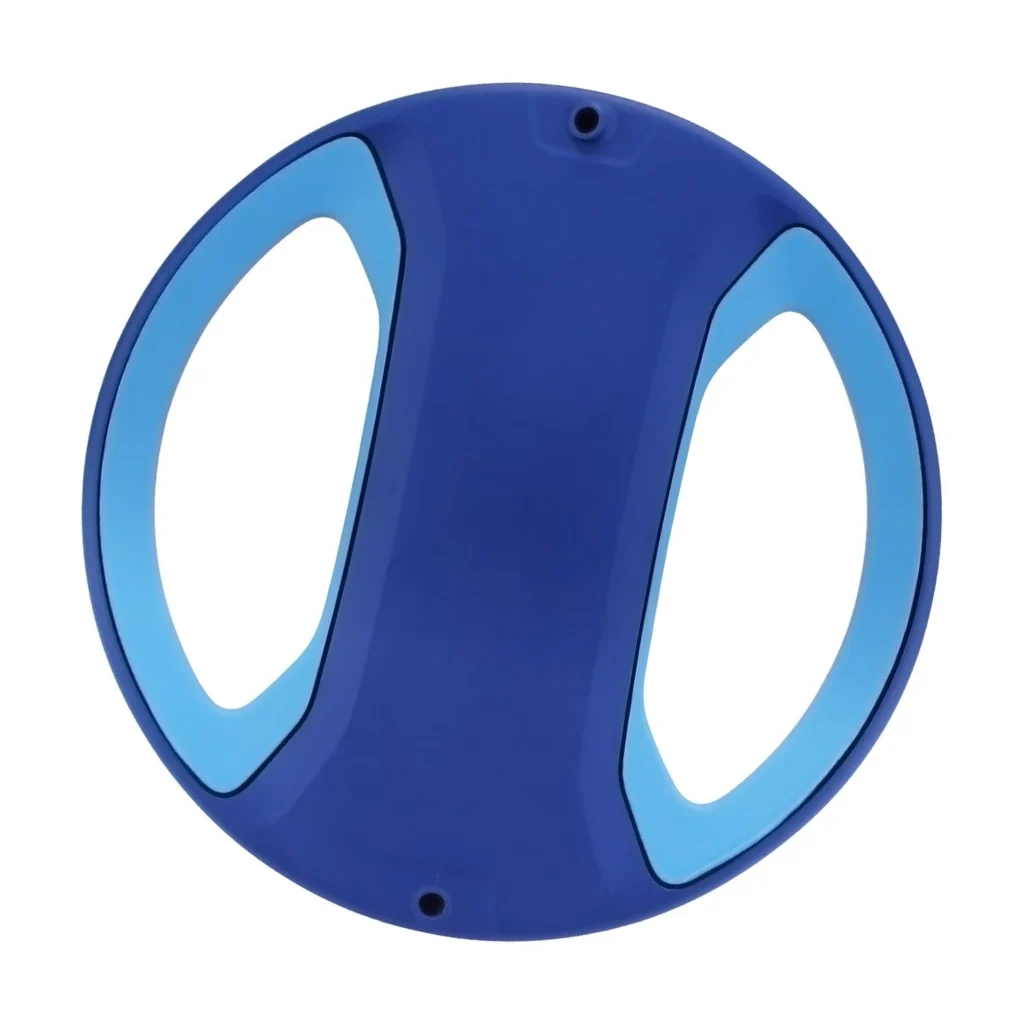
Here's something most people don't realize: the orbital sprayer in your Frigidaire dishwasher is designed to last 8-10 years, but most fail around year 4 or 5. The difference? Proper maintenance. I've replaced hundreds of these spray arms in models like the FGID2468UD0A and FGIP2468UF2A, and in almost every case, the failure could've been prevented.
The orbital sprayer (part number 5304517982) isn't just another spray arm — it rotates on two axes to reach every corner of your dishwasher. That complexity means more moving parts that need attention. Let me walk you through keeping it running smoothly.
How Long Should It Last?
Under ideal conditions, this orbital sprayer should give you 8-10 years of service. But here's what affects that lifespan:
Hard water is enemy number one. If you've got mineral-heavy water, you're looking at 4-6 years tops without intervention. The spray holes clog, the bearing surfaces get grimy, and eventually the rotation mechanism seizes.
Your dishwasher's filter condition matters more than you'd think. A clogged filter means debris recirculates and batters the spray arm. I've seen orbital sprayers damaged by chicken bones, popcorn kernels, and broken glass that should've been caught by a clean filter.
Water temperature plays a role too. If your water heater's set below 120°F, detergent doesn't dissolve completely. That undissolved detergent builds up inside the spray arm channels and restricts flow.
Signs It's Wearing Out
Your dishwasher will tell you when the orbital sprayer's struggling. You just need to know what to listen for.
Not Cleaning Dishes Properly
This is the first sign most people notice. Dishes on the top rack come out clean while bottom rack items are still crusty. Or you'll see a pattern — the left side cleans fine but the right side doesn't. That's the orbital mechanism failing to rotate properly.
Check for this: run an empty cycle with a cup of white vinegar. Then immediately open the door and spin the spray arm by hand. It should rotate freely with minimal resistance. If it's sticky or stops in certain positions, the bearing surfaces are contaminated.
Leaking
Water on your kitchen floor isn't always a door seal problem. A cracked or damaged orbital sprayer can spray water directly at the door, overwhelming the seal. I've diagnosed this by running a cycle with the door cracked open (just enough to see inside) while shining a flashlight in.
Look for cracks around the spray arm hub where it connects to the water supply. These Frigidaire models (FGID2468UD1A, FGID2468UF0A, and similar) use a specific mounting design that can crack if the spray arm gets knocked during loading.
Noisy Operation
A rattling, grinding, or buzzing sound during the wash cycle means something's wrong. The orbital sprayer should be nearly silent — you'll hear water spraying, but not mechanical noise.
Common causes: debris stuck in the rotation mechanism, worn bearing surfaces, or a cracked spray arm vibrating against the dish rack. Pull the spray arm out and inspect it. Shine a flashlight through the spray holes from the back — you should see clear openings, not mineral buildup or blockages.
When to Replace vs Maintain
Here's my honest assessment framework after working on these for two decades:
Maintain it if: The spray arm spins freely by hand, spray holes are clear (or can be cleared with vinegar), and there are no visible cracks or damage. You're catching problems early.
Replace it if: You see cracks anywhere on the spray arm body, the rotation is permanently stiff even after cleaning, or more than 30% of spray holes are clogged beyond cleaning. At $52.99 for the genuine 5304517982 part, it's not worth hours of your time trying to save a compromised component.
One exception: if your dishwasher is over 12 years old and showing other issues (pump noise, door seal problems), replace the spray arm but start budgeting for a new machine. Don't dump $200 in parts into a dishwasher that's on its last legs.
Frequently Asked Questions
How often should I clean the orbital sprayer?
Remove it monthly and rinse under running water. Every three months, soak it in a 50/50 mix of white vinegar and hot water for 30 minutes, then scrub the spray holes with a toothpick. If you have hard water, double that frequency.
Can I use CLR or other descalers on the spray arm?
I don't recommend it. CLR and similar products can degrade the plastic over time. White vinegar is gentler and works just as well if used regularly. For stubborn mineral deposits, make a paste with baking soda and vinegar, apply it to affected areas, let it sit for 15 minutes, then scrub.
Will using rinse aid help extend spray arm life?
Absolutely. Rinse aid prevents mineral deposits from forming on the spray arm and helps water sheet off rather than leaving spots. It also reduces the amount of detergent residue that can build up inside the spray channels. Keep your rinse aid dispenser full — it's cheap insurance for this $53 part.
Element showing wear?
5304517982 · Replace before it fully fails