
How to Extend Your Frigidaire Dishwasher Spray Arm Life — Maintenance Guide
Always disconnect power to the dishwasher before removing spray arm for cleaning. Sharp objects used to clear holes can slip and cause injury.
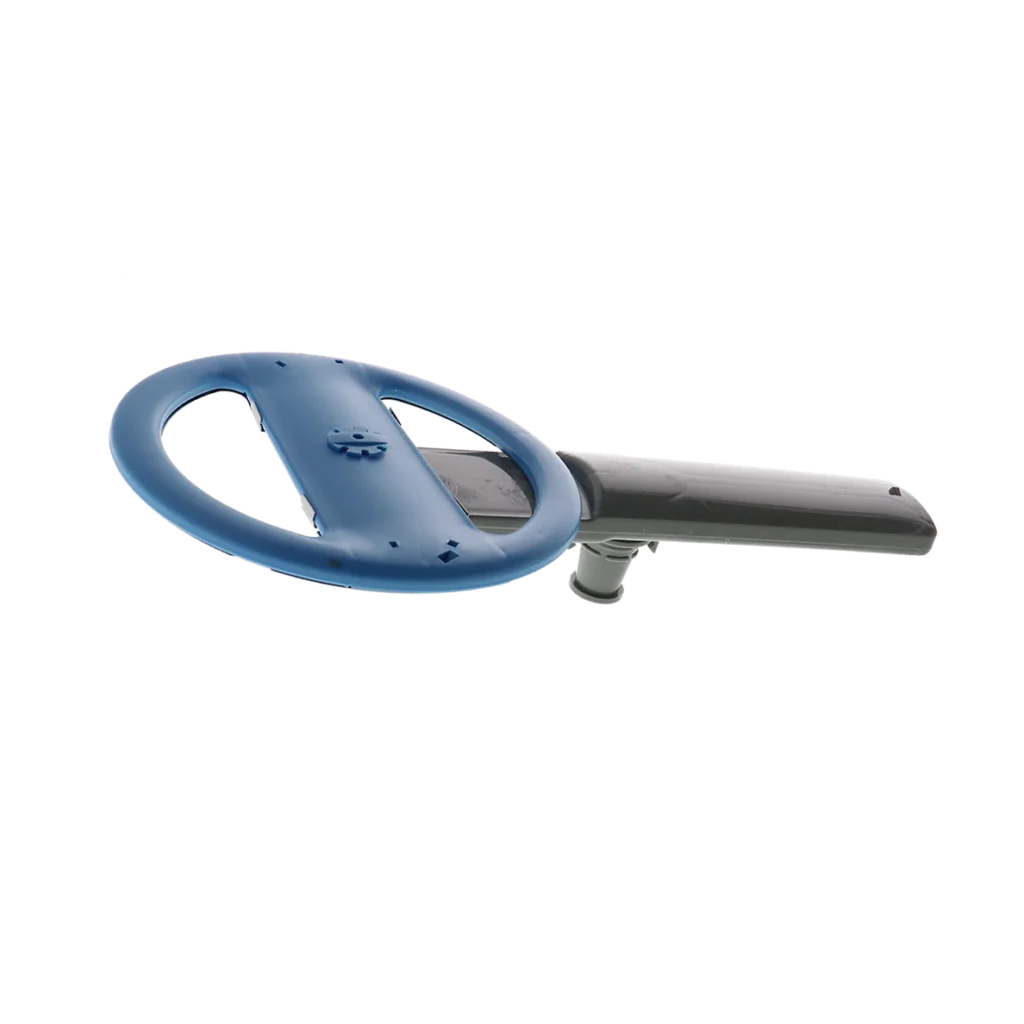
Here's something most people don't realize: that lower spray arm in your Frigidaire dishwasher (part 5304507158) should last 8-10 years, but most fail around the 4-year mark. The reason? Food particles slowly clog the spray holes until water pressure drops and your dishes stay dirty. Five minutes of monthly maintenance can literally double its lifespan.
How Long Should It Last?
Under normal conditions, the 5304507158 lower spray arm is built to last 8-10 years. It's molded plastic with no moving parts — pretty simple, right? But here's what actually kills it early:
- Hard water deposits — mineral buildup narrows spray holes over time
- Food particle accumulation — bits of rice, seeds, and vegetable matter get lodged in the jets
- Detergent residue — soap scum combines with minerals to create stubborn clogs
- Loading habits — tall items blocking rotation cause uneven wear patterns
I've seen spray arms on Frigidaire FGID2466QDOA models last 12+ years with proper care. The difference? The owner cleaned it monthly and ran Affresh through the system every few months.
Signs It's Wearing Out
Your dishwasher will tell you when the spray arm needs attention. Don't wait until it fails completely.
Dishes in the Lower Rack Stay Dirty
This is the first warning sign. If plates and bowls on the bottom rack have food residue after a full cycle, but the top rack comes out clean, your lower spray arm isn't distributing water properly. Check the spray holes — you'll probably find several partially blocked.
Dishwasher Develops an Unpleasant Odor
When the spray arm can't reach all surfaces, food particles don't rinse away. They sit in corners and decompose, creating that sour smell that hits you when you open the door. The odor itself isn't a spray arm failure, but it's a symptom that water isn't reaching everywhere it should.
Visible Clogs in the Spray Holes
Pull out the lower rack and look at the spray arm. Can you see through all the holes? Shine a flashlight through them. If you spot white mineral deposits or dark food particles blocking any openings, water flow is already compromised — even if dishes still seem mostly clean.
Monthly Maintenance Routine
This takes five minutes. Seriously, time it.
Remove and inspect: The spray arm on models using 5304507158 typically pulls straight up off the mounting hub. Some twist counterclockwise first. Check your manual if it doesn't come off easily.
Clear the holes: Use a toothpick or straightened paperclip to push through each spray hole from the outside. You'd be amazed what comes out — rice grains, seeds, those little bits of onion skin that survive the disposal cycle.
Soak if needed: For mineral buildup, soak the spray arm in equal parts white vinegar and hot water for 30 minutes. The vinegar dissolves calcium and lime deposits that toothpicks can't budge.
Rinse thoroughly: Hold it under running water and look through each hole against a light source. If you can't see light through every opening, keep cleaning.
Quarterly Deep Clean
Every three months, go beyond the spray arm itself. Run Affresh dishwasher cleaner through an empty cycle. This removes soap buildup throughout the entire system, which keeps fresh debris from immediately re-clogging your freshly cleaned spray arm. It also tackles that odor issue from food particles hiding in places you can't reach.
When to Replace vs Maintain
Maintenance can't fix everything. Replace the spray arm if you see:
- Cracks in the plastic — especially near mounting points where stress concentrates
- Broken or missing spray jets — if the hole edges are damaged, water won't spray correctly
- Warping — the arm should spin freely and sit level; warped arms drag or wobble
- Stripped mounting hub — if it won't snap securely onto the mount, it can't rotate properly
But if the arm itself looks fine and you've cleared all the clogs? Keep maintaining it. That $50.99 replacement part becomes unnecessary when you spend five minutes a month on prevention.
Loading Tips That Extend Life
How you load dishes directly affects spray arm longevity:
Never block rotation: Spin the arm by hand after loading. If it catches on a casserole dish handle or tall pot, rearrange. Blocked rotation means uneven water pressure that accelerates wear.
Pre-rinse strategically: You don't need to fully wash dishes, but knock off rice, seeds, and stringy vegetables. These are the usual culprits that clog spray holes.
Face dirty surfaces inward: Bowl interiors and plate faces should angle toward the spray arm, not away from it. This reduces how much food bounces around and potentially clogs the system.
Frequently Asked Questions
How often should I remove and clean the spray arm?
Once a month minimum. If you run your dishwasher daily or have hard water, bump it to every two weeks. The five minutes you spend prevents hours of scrubbing dishes by hand when the spray arm eventually fails.
Can I use CLR or Lime-Away instead of vinegar?
Yes, but dilute it. Full-strength chemical cleaners can damage the plastic over time. Mix 1 part CLR to 3 parts water for a 15-minute soak, then rinse thoroughly. Vinegar is gentler and works fine for regular maintenance.
My spray arm spins but dishes still don't get clean — what's wrong?
Check water pressure from your home supply first. Then inspect the holes again with strong light — partial clogs aren't always obvious. If holes are clear and water pressure is good, the problem might be your circulation pump or inlet valve, not the spray arm itself.
Element showing wear?
5304507158 · Replace before it fully fails