
How to Extend Your LG Dryer Heating Element Life — Maintenance Guide
Always disconnect power before inspecting. Heating elements carry 240V and will kill you. Even when unplugged, discharged capacitors can hold lethal voltage for several minutes.
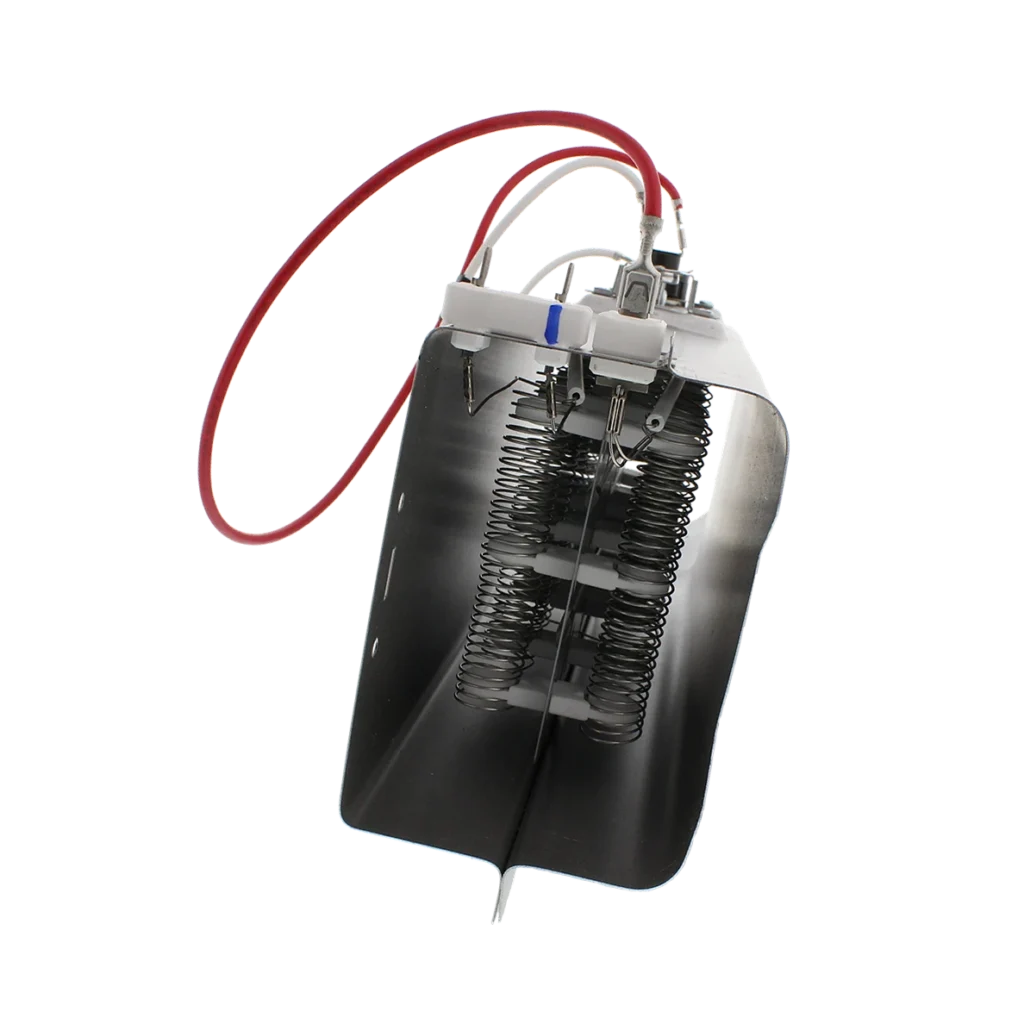
Here's what nobody tells you: most LG dryer heating elements burn out years before they should. The 5301EL1001J heating element assembly is rated for 10-15 years, but I see replacements needed at the 5-7 year mark constantly. The difference? Almost always comes down to what's happening around the element, not the element itself.
I just replaced one last week where the homeowner said it "suddenly stopped heating" after 6 years. When I pulled the drum, the element looked like a burnt pretzel. But here's the thing — that element didn't fail because it was defective. It failed because lint buildup restricted airflow, making it work way harder than designed.
How Long Should It Last?
Under normal conditions, the 5301EL1001J heating element assembly should last 10-15 years in an LG or Kenmore dryer. That's based on about 6-8 loads per week with proper maintenance.
Reality check: most fail between 5-8 years. Why? Three main killers:
- Restricted airflow — lint buildup forces the element to cycle on/off constantly, wearing it out faster
- Voltage fluctuations — older homes with inconsistent power delivery stress the heating coils
- Moisture exposure — venting issues can cause condensation inside the heater housing
Your dryer's heating element doesn't just turn on and stay on. It cycles based on thermostat readings. When airflow is restricted, those thermostats go haywire — turning the element on and off dozens of times per cycle instead of a handful. That constant thermal expansion and contraction? That's what cracks the coils.
Signs It's Wearing Out
You won't always get a warning before your heating element dies completely, but there are telltale signs if you know what to look for.
Breaker Trips During the Drying Cycle
This is often the first sign of element failure. When the heating coil develops small breaks or weak spots, it can create short circuits that trip your breaker. If your dryer trips the breaker but runs fine on fluff/air-dry mode, the heating element is likely developing internal failures.
Don't ignore this. A failing element that's tripping breakers is also a fire hazard. I've seen burn marks inside dryer cabinets from elements that were "still working" but shorting intermittently.
Dryer Runs Excessively Hot
Seems counterintuitive, right? But a partially failed heating element can actually make your dryer run hotter than normal. When the element develops hotspots or uneven heating, the thermostats can't regulate properly. Your clothes come out scorching hot, or you smell that distinctive burnt smell even though everything still dries.
If you're pulling clothes out and they're too hot to touch immediately, that's not normal. The high-limit thermostat should prevent that. An aging element throwing off inconsistent heat will confuse those safety systems.
Longer Dry Times Before Complete Failure
Before an element burns out completely, it usually goes through a phase where it's just not heating as efficiently. A load that used to take 45 minutes now takes 70. That's the element working with partially damaged coils — still heating, but not reaching full temperature.
Track your dry times. If you're consistently needing to run a second cycle or noticing loads taking longer, check the element visually. You might catch it before it fails completely.
When to Replace vs Maintain
Let's be honest: heating elements aren't really serviceable. Once the coil breaks or develops visible damage, you're replacing it. But here's what you need to understand — most "element failures" are actually system failures that killed a perfectly good element.
Replace immediately if:
- The dryer won't heat at all (test with multimeter — no continuity means replace)
- Breakers trip repeatedly during heating cycles
- You see visible breaks, burns, or warping in the coil when inspected
- The element housing shows signs of overheating or melting
Maintain rather than replace if:
- Dry times are slightly longer but the dryer still heats (clean the system first)
- Temperature seems inconsistent but breakers don't trip (check thermostats)
- You're doing preventive maintenance on a dryer that's working fine
Here's my rule: if the element tests good with a multimeter (should read around 10-50 ohms depending on the model) and there's no visible damage, don't replace it yet. Fix the airflow, clean the vent, and see if performance improves. I've "fixed" dozens of dryers this way without replacing the element.
But if it's already burnt like one customer described — "obviously burnt element" — there's no maintenance that'll help. Bite the bullet and replace it. The 5301EL1001J assembly runs about $157, which beats a new dryer by a mile.
Frequently Asked Questions
How often should I inspect my dryer's heating element?
Once a year minimum. Pull the lower front panel (it's easier than you think) and visually inspect the element assembly. Look for lint buildup around the housing, check that the coils aren't sagging or touching, and make sure the mounting isn't loose. Takes 10 minutes and can save you from an emergency replacement. If you run more than 10 loads a week, inspect it twice a year.
Can I clean lint off the heating element itself?
Carefully, yes. Unplug the dryer first — non-negotiable. Use a soft brush (old paintbrush works great) to gently remove lint from around the element housing. Don't touch the coils directly or try to move them. They're fragile when cold and will snap. Focus on the housing, the ductwork around it, and the thermostat area. Vacuum out any loose debris.
Will a bad heating element still spin the drum?
Yes. The heating element and the drum motor are separate systems. Your dryer will spin, tumble, and go through its entire cycle even with a completely dead heating element. It just won't produce any heat. If your dryer runs but doesn't heat at all, the element is the first thing to check — but also verify the thermal fuse hasn't blown. That'll kill heat too, and it's a cheaper fix.
Element showing wear?
5301EL1001J · Replace before it fully fails