
How to Extend Your Frigidaire Dryer Heating Element Life — Maintenance Guide
Always disconnect power at the breaker before inspecting or replacing heating elements. The 240V current can be fatal. Never touch the element coil when testing — it's fragile and breaks easily when cold.
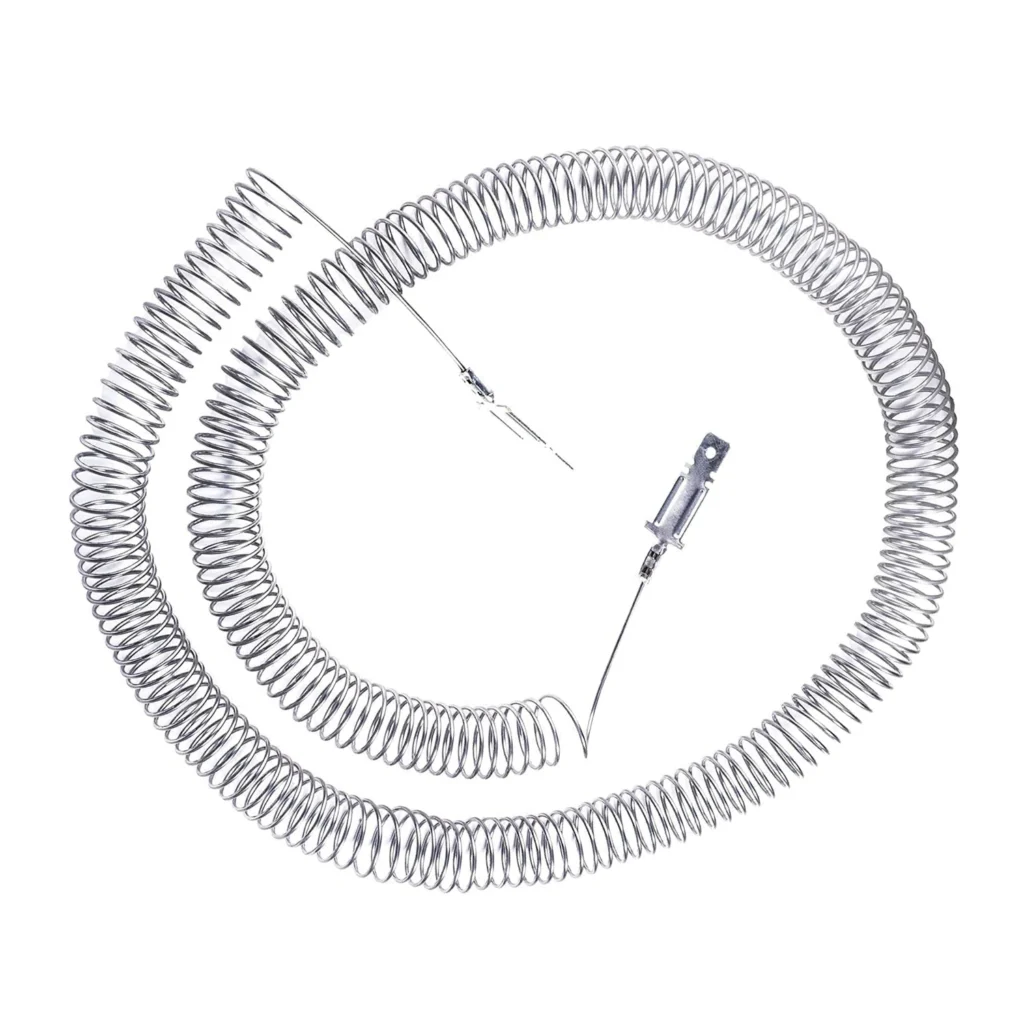
Most dryer heating elements should last 8–12 years, but I've seen them fail in less than three because owners didn't know about one simple maintenance habit. If you've got a Frigidaire, Gibson, Kelvinator, or Westinghouse dryer running the 5300622032 heating element coil, you're looking at a $39 replacement when it burns out — or you could make it last a decade with some basic care.
The heating element in your dryer is essentially a coil of high-resistance wire that gets hot when electricity passes through it. Simple, right? But that simplicity means there's not much margin for error. Lint buildup, moisture accumulation, and voltage fluctuations are the three biggest killers.
How Long Should It Last?
The 5300622032 element coil is built to handle approximately 3,000–4,000 heating cycles. For most households running 6–8 loads per week, that translates to 8–10 years of service life. I've seen elements last 15 years in homes with proper venting and regular maintenance.
But here's what actually happens: inadequate airflow makes the element work harder and run hotter than designed. Instead of cycling on and off normally, it stays energized longer, which accelerates coil degradation. A clogged vent can cut lifespan in half.
Your dryer's environment matters too. If it's in a damp basement or unheated garage, moisture can corrode the element terminals. I've replaced elements in dryers that were only four years old because they sat in humid conditions year-round.
Signs It's Wearing Out
The heating element doesn't just die overnight. It gives you warnings if you know what to look for.
Longer Drying Times
When your normal 45-minute cycle suddenly needs 70 minutes, that's often an early sign. The element coil develops weak spots where resistance increases, reducing heat output. You'll notice towels taking forever or having to run two cycles for jeans.
Inconsistent Heat Output
The dryer heats for a while, then goes cold, then heats again — but not in the normal thermostat cycling pattern. This indicates sections of the coil are failing intermittently. Sometimes you'll get lucky and it works fine; other times clothes come out barely warm.
Visible Coil Damage
If you pull the element housing (accessible from the front or rear panel on most Frigidaire models like the FDE747GES0 or FDE7970EW1), look for breaks in the coil, sagging sections, or spots where the wire has thinned. Any visible damage means replacement is imminent.
Tripped Breaker or Blown Thermal Fuse
When a heating element starts to fail, it can draw irregular current that trips your circuit breaker. Or the resulting overheating triggers the thermal fuse on the blower housing. If you're replacing thermal fuses repeatedly, inspect the element coil itself.
Maintenance Schedule That Actually Works
I'm not going to give you some ridiculous 12-step monthly routine. Here's what actually extends element life:
After Every Load
Clean the lint screen completely. Not just a quick swipe — peel off that thin film of fabric softener residue that builds up. Once a month, wash the screen with hot soapy water and an old toothbrush. That residue restricts airflow more than you'd think.
Every Three Months
Vacuum behind and underneath the dryer. Pull it out from the wall and use a crevice tool to get lint that's escaped the trap. Check the vent connection at the back — make sure it's tight and not kinked.
While you're back there, feel the exhaust vent outside your house during a drying cycle. Airflow should be strong and hot. Weak airflow means a clog somewhere in the duct.
Twice a Year
Disconnect the vent duct and clean it completely. For rigid metal ducts, use a dryer vent brush kit. For flexible ducts (which you should replace with rigid if possible), you might need to remove and shake them out outside. I've pulled out garbage bags worth of lint from seemingly "clean" dryers.
Also check the moisture sensor bars inside the drum. Wipe them down with rubbing alcohol on a cloth. Fabric softener buildup on these sensors causes the dryer to think clothes are dry when they're not, leading to repeated cycles that wear out the element faster.
Annually
Inspect the element housing itself. On Frigidaire models, this usually means removing the front or rear panel (consult your model's service manual — models like FDE336RES1 or FDE546RES1 vary slightly). Look for:
- Lint accumulation inside the housing
- Corrosion on electrical terminals
- Any visible coil damage or discoloration
- Proper seating of the thermal fuse and thermostat
Vacuum out any lint carefully — don't touch the coil itself, as it's fragile when cold and can break.
What Kills Heating Elements Faster
Let's talk about the real element killers I see constantly:
Overloading: Cramming too many clothes in forces the element to stay on longer because wet fabric doesn't tumble properly and doesn't dry evenly. The element isn't designed for continuous operation.
Dryer sheets and liquid fabric softener: These leave a coating on everything — the lint screen, the drum, the moisture sensors, and even inside the vent duct. That coating reduces airflow and heat efficiency. If you must use them, do the hot water screen wash monthly without fail.
Venting into the garage or crawlspace: Some folks disconnect the exterior vent in winter to keep warm air inside. Don't. The moisture has nowhere to go and will corrode your element terminals and rust out the drum. Not worth the few degrees of heat.
Ignoring the outdoor vent hood: Birds nest in them, lint clogs the flapper, or they get painted shut during exterior painting. Check it seasonally — it should open freely when the dryer runs.
When to Replace vs Maintain
Here's the honest truth: once the element coil itself shows visible breaks, sagging, or burn marks, maintenance won't help. Replace it. The 5300622032 element runs about $39 and takes 30–45 minutes to swap out on most compatible models (FDE847GES0, FDE747RES0, FDE7976FS0, etc.).
But if you're catching early warning signs — longer dry times, the occasional cool cycle — that's when aggressive maintenance can buy you another year or two. Clean everything thoroughly, check for duct restrictions, and verify the thermostat and thermal fuse are functioning properly.
If your dryer is over 10 years old and the element fails, inspect the other components while you're in there. Often the thermal fuse, thermostat, and drum rollers are all near end-of-life at that point. Replacing them together saves a second teardown later.
The One Thing Most People Miss
Voltage matters. If you've got a 240V electric dryer on a circuit that's also feeding other heavy appliances, voltage sag during startup can stress the element. I've seen houses where the dryer shared a circuit with a window AC unit — every time the AC compressor kicked on, the dryer element got a voltage dip. That cycling stress shortened element life significantly.
If you notice your lights dimming when the dryer starts, or if the element glows brighter then dimmer during operation, have an electrician check your circuit. The dryer should be on its own dedicated 30-amp, 240V circuit.
Frequently Asked Questions
Can I test if my heating element is weak before it completely fails?
Yes, with a multimeter. Disconnect power, remove the element, and test resistance across the terminals. For the 5300622032, you're looking for roughly 10–12 ohms. Significantly higher resistance means the coil is degrading. Zero ohms means it's shorted; infinite resistance means it's broken. But honestly, if drying times have increased noticeably, just replace it — weak elements waste more in electricity than the part costs.
Does running the dryer on high heat wear out the element faster?
Not really. The element runs at the same temperature regardless — the heat setting controls how long it stays energized and when the thermostat cycles it. What does matter is total runtime. Using the moisture sensor setting instead of timed dry helps because the dryer shuts off as soon as clothes are actually dry, reducing unnecessary element operation.
Will a new heating element make my old dryer work like new?
Only if the element was the only problem. If your dryer's been limping along with poor airflow for years, you've probably also degraded the drum rollers, idler pulley, and possibly the blower wheel. And if you don't fix whatever caused the element to fail early — usually lint buildup or vent restrictions — the new element will fail just as fast. Fix the root cause first, then replace the element.
Element showing wear?
5300622032 · Replace before it fully fails