
How to Extend Your LG Washer Door Boot Seal Life — Maintenance Guide
Always unplug the washer before inspecting or cleaning the door boot. When cleaning, avoid harsh chemicals that can degrade rubber.
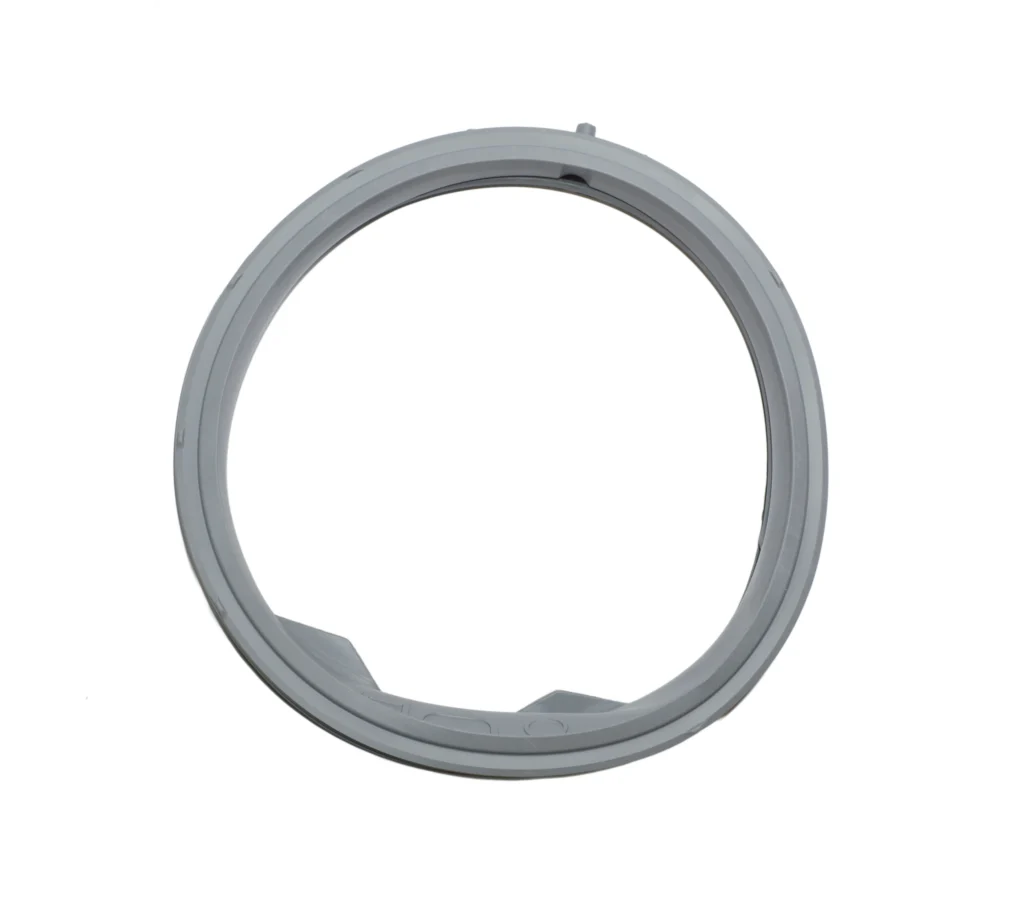
Here's the reality: most LG front-load washer door boots fail between 3-5 years, but they should last 8-10. The difference? How you load your machine and what you do after each wash. That torn boot leaking water all over your floor isn't a manufacturing defect — it's usually the result of overloading, which is the most common cause of door boot failure.
The 4986ER0004F door boot seal for LG washers (compatible with models like WM2050CW, WM2277HW, WM2455HW, and dozens more) is a thick rubber gasket that takes serious abuse. It flexes thousands of times, holds back gallons of water, and deals with detergent residue, fabric softener buildup, and whatever you accidentally left in your pockets. Let's talk about making it last.
How Long Should It Last?
Under normal conditions, your door boot should survive 8-10 years. I've seen them go 12+ in households that follow basic maintenance. But the average? 3-5 years. Why the huge gap?
Three factors kill door boots prematurely:
- Overloading — Cramming too many clothes in stretches the boot unnaturally as the drum spins. This constant overstretching creates weak points that eventually tear.
- Moisture retention — Keeping the door closed between washes traps moisture, leading to mold, mildew, and rubber degradation.
- Detergent buildup — Excess soap creates a film that holds moisture and breaks down the rubber compound over time.
If you've got a WM2677HBM or WM2650HRA running multiple loads daily in a busy household, you're in the higher-risk category. Commercial use or large families accelerate wear.
Signs It's Wearing Out
Don't wait until water's pouring onto your floor. Catch these early warning signs:
Washer Leaking Water
Small puddles after a wash cycle mean your boot's integrity is compromised. Check the bottom front of the machine first — that's where leaks typically show up. Sometimes it's just a few drops, other times it's a full-on flood. Either way, inspect the boot immediately.
Run your fingers along the inside fold of the boot (the part that faces the drum). Feel for cracks, tears, or soft spots. Pay special attention to the 6 o'clock position where water collects.
Torn Door Boot
Tears usually start small — a tiny split in the rubber that you might miss on casual inspection. They grow fast once they start. Common tear locations:
- Bottom center where water pools
- Around the drain port (if your model has one)
- Near the retaining band at the 3 and 9 o'clock positions
Tears can't be repaired reliably. Once you've got a tear, you're replacing the boot.
Mold, Mildew, or Persistent Odor
That musty smell isn't just unpleasant — it indicates the rubber is breaking down. Black or orange spots in the boot folds mean mold has taken hold. While you can clean surface mold, deep mold penetrates the rubber and weakens its structure.
If you're using Affresh monthly (as recommended in the installation notes) and still dealing with smell, the boot's probably degraded beyond saving.
Visible Cracks or Dry Rot
The rubber shouldn't look dry or feel brittle. Cracks in the surface, especially around the outer lip, mean the rubber's hardening. This happens with age and exposure to harsh detergents.
When to Replace vs Maintain
Let's be straight: if you've got tears, consistent leaking, or severe mold penetration, you're past maintenance. Order the 4986ER0004F and plan for a replacement. It's a moderate-difficulty repair, but it beats water damage to your floors.
Maintain if you have:
- Light surface mold (cleanable)
- No visible tears or cracks
- Occasional odor that responds to cleaning
- Rubber that's still flexible
Replace if you see:
- Any tears, even small ones
- Active leaking during cycles
- Hard, brittle rubber
- Mold that won't clean off
- Cracks in the boot material
One critical note from the installation specs: before ordering, verify whether your model requires a boot with or without a drain port. Some LG models use different boot configurations even within the same series.
Frequently Asked Questions
How do I prevent the door boot from tearing due to overloading?
Fill your washer to about 75% capacity maximum. You should be able to fit your hand between the top of the clothes and the top of the drum. For a typical LG front-loader, that's about 12-15 pounds of laundry per load, not the 18-20 pounds the marketing materials claim. Overloading is the number one killer of door boots, so if you're consistently maxing out capacity, you'll replace this part every 3-4 years instead of every 8-10.
Why does my door boot smell even though I wipe it down regularly?
Wiping the visible surfaces isn't enough. Pull back the boot fold and clean deep inside where water collects. Use a 1:1 white vinegar and water solution with a cloth, getting into all the crevices. The smell often comes from detergent and fabric softener residue mixed with moisture in areas you're not reaching. Also, leave your door open 4-6 inches between washes — this single habit prevents 80% of odor issues.
Can I use bleach to clean mold off the door boot?
You can, but dilute it heavily — 1 part bleach to 10 parts water maximum. Straight bleach degrades rubber and shortens boot life. Honestly, white vinegar works just as well for surface mold and won't damage the rubber. For stubborn mold, make a paste of baking soda and water, apply it, let it sit 30 minutes, then scrub with an old toothbrush. If mold keeps coming back after aggressive cleaning, it's penetrated the rubber and you'll need to replace the boot soon.
Element showing wear?
4986ER0004F · Replace before it fully fails