
How to Extend Your LG Washer Diverter Clutch Motor Life — Maintenance Guide
Always disconnect power before inspecting electrical connections. Water and electricity are a dangerous combination — never work on the washer while it's plugged in.
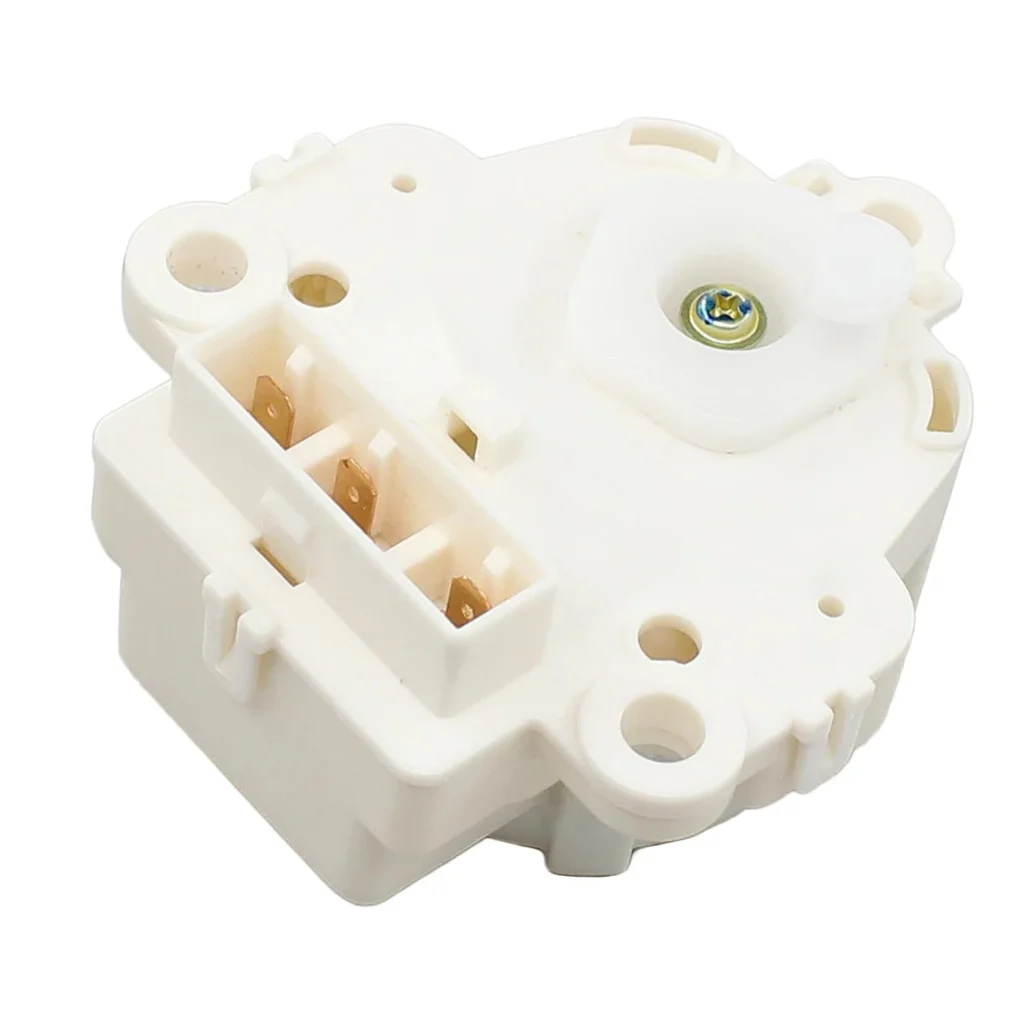
The diverter clutch motor in your LG top-load washer (part 4681EA1009H) typically lasts 8-12 years — but I've seen them fail in under four when water damage gets inside the motor housing. This little workhorse controls water flow during your wash and rinse cycles, and once it starts clicking or humming without engaging, you're looking at a repair.
Here's what most people don't realize: this motor sits right below the water inlet valve area on models like the WT5270CW and WT4901CW. That positioning makes it vulnerable to mineral buildup and water exposure — two things that cut its lifespan in half.
How Long Should It Last?
Under normal conditions, the 4681EA1009H diverter motor should give you 8-12 years of service. I've replaced originals in 15-year-old WT1501CW units that were still working fine — just replaced as preventive maintenance during another repair.
What affects lifespan:
- Water hardness: Hard water leaves mineral deposits that jam the motor's internal gears
- Cycle frequency: Running 10+ loads per week wears components faster than 3-4 loads
- Detergent type: Powder detergents create more residue than liquid
- Installation environment: High humidity accelerates corrosion on electrical contacts
With proper care, you can push that lifespan to 14-16 years. Without it, you'll replace this motor at year five or six.
Signs It's Wearing Out
The diverter motor doesn't fail quietly. You'll notice problems during specific cycle phases — usually when the washer tries to switch from wash to rinse or from rinse to spin.
Motor Humming But Not Engaging
You hear a humming or buzzing sound during cycle transitions, but water flow doesn't change. This means the motor's trying to turn the diverter mechanism, but something's preventing rotation. Could be mineral buildup on the cam, or the motor itself is losing torque. On models like the WT1801HVA, this often happens right after the wash cycle completes.
Clicking or Grinding Noises
A repetitive clicking sound — like someone tapping a wrench on metal — means the motor's gear teeth are skipping. I've found this happens when hard water deposits get between the motor shaft and the diverter cam. The WT5101HV and WT5170HV models seem particularly prone to this because of their valve positioning.
Incorrect Water Flow or No Rinse Cycle
The washer fills for wash but won't rinse, or you get rinse water during the wash phase. The diverter motor controls which inlet valve opens when, so erratic behavior means it's not positioning correctly. Sometimes the motor works but returns to the wrong position, which points to worn internal stops.
Intermittent Operation
Works fine for three cycles, fails on the fourth, then works again. This inconsistency usually indicates corroded electrical contacts or a motor winding that's overheating. As the motor heats up during use, resistance increases until it can't generate enough torque.
When to Replace vs Maintain
Here's the honest truth: diverter motors aren't really repairable. There's no maintenance you can do once it starts failing internally. But you can absolutely extend its life before problems start.
Replace immediately if:
- Motor won't run at all (no sound, no attempt to move)
- Visible water damage or corrosion on the electrical connector
- Burning smell from the motor area
- Motor runs but won't move the diverter cam even after cleaning
Maintenance can still help if:
- Motor runs normally but you want to prevent future issues
- You've just installed a new motor and want maximum lifespan
- Your water is hard and you're seeing mineral buildup elsewhere
- The washer is 5+ years old with original parts
For models in the WT1001CW through WT5270CW range, I recommend a yearly inspection once the machine hits six years old. That's when you'll catch early mineral buildup before it causes motor strain.
Preventive Maintenance Schedule
Most people never think about this motor until it fails. That's a mistake that costs you $80-120 in parts plus installation time.
Every 6 months: Check for water leaks around the inlet valve assembly above the diverter motor. Even small drips will eventually damage electrical connections. Wipe down any moisture you find and track whether it returns — that indicates a valve seal problem that needs addressing.
Annually: Inspect the motor's electrical connector for corrosion. Unplug the washer, remove the top panel (two screws at the back), and look at the wire connector on the motor body. White or green crusty deposits mean corrosion. Clean with electrical contact cleaner and apply dielectric grease.
Every 2 years: If you have hard water, consider descaling the inlet valve area. Mineral deposits that build up on the valve assembly can fall onto the diverter mechanism below. Run a washer cleaning cycle with citric acid or a commercial descaler — models like the WT4870CW and WT4970CW have a built-in tub clean cycle that works well for this.
The Hard Water Problem
I've replaced more diverter motors in Phoenix and Las Vegas than anywhere else. Hard water is the silent killer for these components. Calcium and magnesium deposits accumulate where the motor shaft meets the diverter cam, increasing friction and forcing the motor to work harder.
If your water hardness exceeds 180 ppm (you can test this with a $10 kit from any hardware store), install an inline water softener or filter on your washer's supply lines. That one change will double your motor's lifespan. I've seen 12-year-old WT1301CW units with original motors still running perfectly because the owner had soft water.
Environmental Factors
Where you keep your washer matters more than you'd think. Basements and garages with poor ventilation create condensation on electrical components. The diverter motor's connector sits exposed, making it vulnerable to humidity-related corrosion.
If your washer's in an unheated space, consider a dehumidifier during humid months. And always leave the washer lid open between loads — this lets moisture evaporate instead of condensing on cool metal parts.
What Won't Help
Let's clear up some myths. Lubricating the motor won't help — it's a sealed unit. Running vinegar through empty cycles won't clean the motor itself, though it'll help the tub. And using "premium" detergents doesn't reduce wear on mechanical parts (despite what marketing claims).
The only real maintenance is keeping water away from electrical connections and preventing mineral buildup in the surrounding area. Everything else is just replacing the motor when it fails.
Installation Quality Matters
If you're replacing a failed motor, installation technique directly affects how long the new one lasts. Make sure the motor mounts flush against its bracket — even a 2mm gap allows vibration that wears internal components. The electrical connector should click firmly into place with no wiggle.
When you install the replacement 4681EA1009H motor, apply a thin coat of dielectric grease to the connector before plugging it in. This creates a moisture barrier that prevents corrosion. It's a 30-second step that adds years to motor life.
Frequently Asked Questions
Can I clean the diverter motor to fix humming issues?
Not really. If the motor itself is humming but not turning, that's an internal motor problem — worn brushes, weak magnets, or a shorted winding. However, if the motor runs but the diverter mechanism won't move, you can sometimes clean mineral deposits off the diverter cam (the part the motor drives). Disconnect power, remove the motor, and use white vinegar to dissolve buildup on the cam and related moving parts. But if the motor windings are damaged, cleaning won't help.
How do I know if it's the diverter motor or the water inlet valve?
Listen during a cycle. If you hear humming or clicking during the transition between wash and rinse, that's typically the diverter motor trying to engage. If you hear nothing but water doesn't flow when expected, that's more likely an inlet valve problem or a control board issue. The diverter motor makes noise when it's struggling — inlet valves fail silently. On WT-series models, you can run a diagnostic cycle (press Spin Speed, Soil Level, and Spin Speed again while holding Start) to test individual components.
Will using less detergent help the motor last longer?
Indirectly, yes. Excess detergent creates more residue that can build up around the inlet valve area above the motor. Over time, that residue absorbs moisture and can drip onto the motor connector, causing corrosion. But the bigger factor is using liquid instead of powder detergent — powder leaves more mineral deposits that affect all mechanical parts, not just the motor. Follow the detergent manufacturer's recommendations for HE washers (these LG models are all HE), which is usually 1-2 tablespoons per load, not the full cap.
Element showing wear?
4681EA1009H · Replace before it fully fails