
How to Extend Your LG Washer Drain Pump Life — Maintenance Guide
Always unplug the washer before accessing the drain pump. Water may spill when removing the filter — place towels underneath. Do not insert fingers into the pump chamber while the washer is powered on.
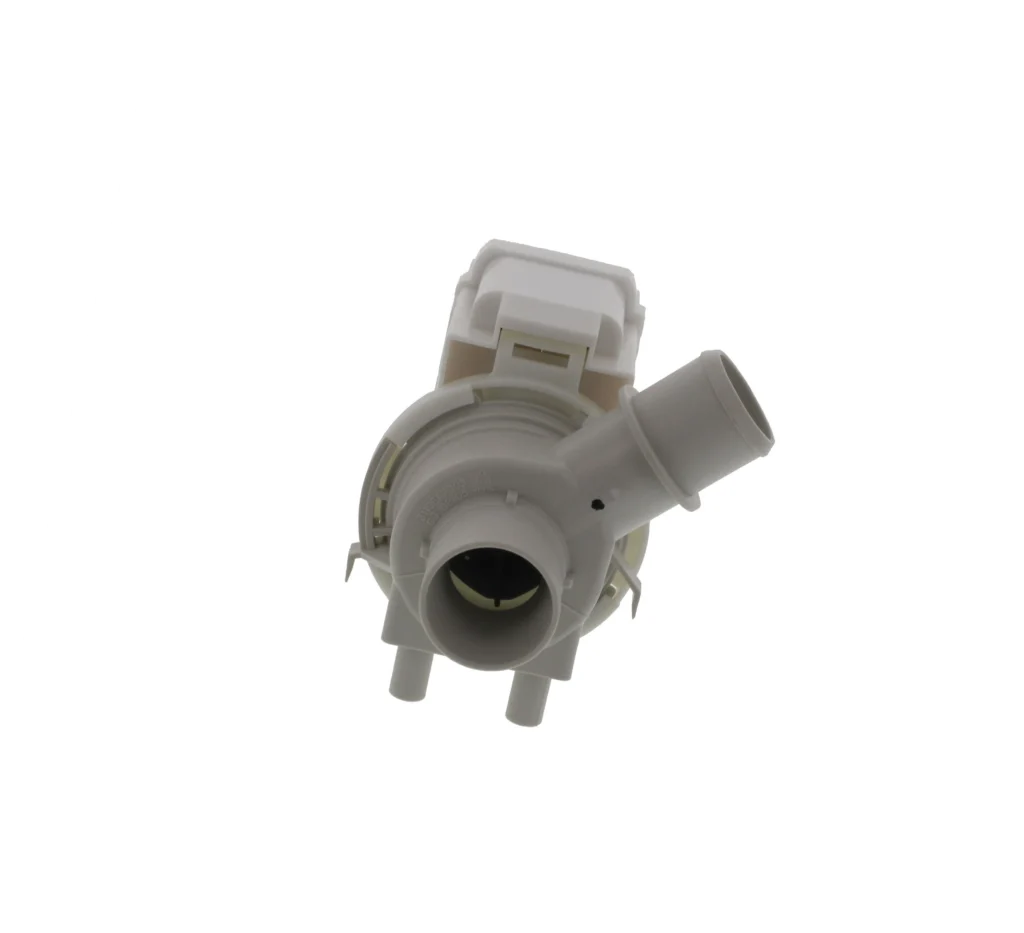
Most LG washer drain pumps fail between years three and five. The irony? With proper maintenance, they can easily reach eight years or more. The pump motor assembly (part 4681EA1007A) costs $105.99 to replace, but the coins, hair ties, and lint that destroy it cost nothing to prevent.
I've replaced hundreds of these pumps in models like the WT1201CW, WT4870CW, and WT5001CW. In nearly every case, the homeowner had no idea their pump needed any attention until the washer refused to drain. By then, it's too late.
How Long Should It Last?
The 4681EA1007A pump motor assembly is built to handle approximately 5,000 cycles under normal conditions. For most families doing 8-10 loads per week, that's about 10 years of theoretical lifespan. Reality is different.
What actually happens: Small debris enters the pump chamber. A bobby pin wedges against the impeller. Lint wraps around the motor shaft. Detergent residue accumulates in the housing. Each issue adds resistance, forcing the motor to work harder. The motor overheats. Windings fail. Now you're looking at that $105.99 replacement.
The pumps that reach year eight or beyond? Their owners do three things consistently: they empty pockets before washing, they run a cleaning cycle monthly, and they inspect the drain filter quarterly. That's it.
Signs It's Wearing Out
The pump doesn't fail overnight. It gives you warnings weeks or months in advance. You just need to know what you're hearing and seeing.
Will Not Drain (The Terminal Symptom)
When your LG washer finishes the wash cycle but the drum is still full of water, the pump has either seized completely or the motor windings have failed. This is the most common symptom reported for the 4681EA1007A assembly.
If you catch it here, you're replacing the pump. But if you catch the earlier signs below, you might save it.
Unusual Grinding or Buzzing During Drain Cycle
The pump should hum quietly during the drain cycle on models like the WT1101CW or WT7200CW. If you hear a grinding noise, something is interfering with the impeller. If it's buzzing but not draining, the motor is trying to turn but can't overcome the resistance.
Check the drain filter immediately. I've found everything from underwire bra pieces to kids' toy parts jammed in there. Remove the obstruction and the pump usually recovers.
Slower Drain Times
Your drain cycle used to take three minutes. Now it takes five or six. The pump isn't dead yet, but it's struggling. This happens when lint and detergent build up inside the pump housing, reducing flow capacity.
Run a cleaning cycle with a pump cleaner solution. If drain times don't improve within two cycles, the impeller may already be damaged.
Intermittent Drain Failures
The washer drains fine on Tuesday, then refuses to drain on Friday, then works again Monday. This pattern suggests loose debris moving in and out of the impeller area. Sometimes it blocks, sometimes it doesn't.
This is your last warning. Clean that drain filter, inspect the pump chamber, and remove whatever's floating around in there.
When to Replace vs Maintain
Here's the decision framework I use after 20 years of appliance repair:
Maintain if: The pump still drains (even slowly), you hear no grinding noises, and the motor hums normally. Clean the filter, run descaling cycles, remove visible debris. Cost: under $10 in cleaning supplies.
Replace if: The pump won't run at all, you hear grinding that doesn't stop after cleaning the filter, or the motor buzzes without turning. At that point, internal damage has occurred. The 4681EA1007A assembly replacement takes about 45 minutes and costs $105.99.
Gray area: The pump runs but makes noise even after thorough cleaning. You can try replacement impeller kits (around $20), but if the motor bearings are worn, you'll end up replacing the whole assembly soon anyway. Your call whether to gamble $20 first.
For Kenmore models using this same pump (like the 79631513210), the decision is identical. Same part, same failure patterns.
Maintenance Schedule That Actually Works
Forget complicated schedules. This routine takes less than 10 minutes per month and can double your pump's lifespan.
After every wash (5 seconds): Empty pockets before loading clothes. Check for coins, hairpins, small toys, receipts. These are pump killers.
Monthly (5 minutes): Remove and clean the drain filter. It's behind the lower front panel on most LG washers. Twist counterclockwise, pull out, rinse under hot water. Check the filter housing for trapped items. Replace the filter. Run a hot cleaning cycle with washer cleaner or white vinegar.
Quarterly (10 minutes): Remove the drain filter again. Shine a flashlight into the pump chamber. Look for lint wrapped around the impeller. If you see buildup, reach in with needle-nose pliers and carefully remove it. The impeller should spin freely when you rotate it with your finger.
Annually (20 minutes): Run a descaling cycle using citric acid or commercial descaler. Hard water deposits accumulate inside the pump housing, reducing efficiency. Follow with two rinse cycles. Inspect the drain hose for kinks or clogs while you're at it.
What Kills Pumps Early
Three things destroy 4681EA1007A pumps before their time:
Small metal objects. Coins, bra underwires, paperclips. They wedge against the impeller and either jam it immediately or chip the plastic blades over time. Eventually the impeller loses efficiency or breaks completely.
Lint accumulation. Front-loaders are notorious for this. Lint doesn't exit through the drain as easily as in top-loaders. It settles in the pump chamber, wraps around the motor shaft, and adds resistance. The motor runs hotter, shortening its life dramatically.
Detergent overuse. Too much detergent creates excessive suds that don't rinse away completely. Residue builds up inside the pump housing like plaque in an artery. Flow decreases, pressure increases, motor strain goes up.
Use the right amount of HE detergent. For the WT5270CW and similar models, that's typically 2 tablespoons max for a normal load. More soap doesn't mean cleaner clothes.
Frequently Asked Questions
How often should I clean the drain pump filter on my LG washer?
Clean it monthly at minimum. If you wash pet bedding, work clothes, or kids' sports uniforms regularly, clean it every two weeks. The filter catches debris before it reaches the pump, but only if you actually empty it. A clogged filter forces debris into the pump chamber, where it causes real damage.
Can I use Drano or drain cleaner in my washing machine pump?
Absolutely not. Chemical drain cleaners damage the rubber seals and plastic components in the 4681EA1007A pump assembly. They won't dissolve the lint and debris causing problems anyway. Use hot water, white vinegar, or commercial washer cleaning tablets designed specifically for washing machines. If the pump is truly clogged, manual cleaning is the only safe solution.
My washer is making noise during drain but still drains — is the pump failing?
Probably not yet, but it's warning you. Noise during drain usually means something is interfering with the impeller — a small object, lint buildup, or worn bearings. Clean the filter immediately and inspect the pump chamber. If noise continues after cleaning, the pump bearings may be wearing out. You've got weeks to months before complete failure, but don't ignore it. Order the replacement part now while the pump still works, so you're not stuck with wet laundry when it finally quits.
Element showing wear?
4681EA1007A · Replace before it fully fails