
How to Extend Your LG Washer Drum Spider Life — Maintenance Guide
SAFETY: Unplug washer before any inspection. Do not operate machine if you hear metallic banging — a broken spider arm can damage the drum beyond repair. If attempting replacement, use proper jack stands when removing the drum — it weighs 50+ pounds.
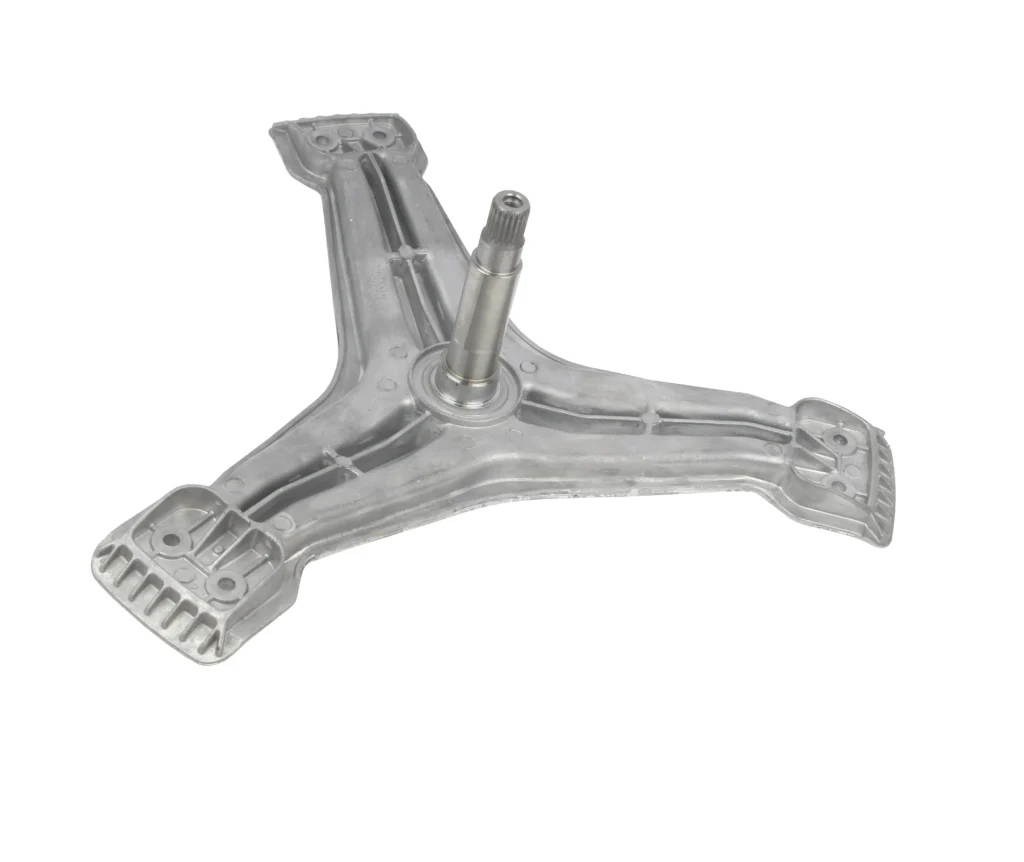
Your LG washer's drum spider should last 7-10 years, but most fail around year 5. The problem? Nobody knows this cast aluminum part exists until it breaks — and by then, you're looking at a major teardown. The drum spider connects your wash basket to the drive shaft, spinning through thousands of cycles while water constantly seeps past worn tub bearings. That combination creates a perfect storm for corrosion.
I've replaced hundreds of these on models like the WM2050CW, WM2688HWM, and WM3001HWA. Here's what nobody tells you: the spider itself rarely just "breaks." It corrodes from the inside out, weakening until the arms crack during a spin cycle. The good news? You can catch it early if you know what to look for.
How Long Should It Last?
Under normal conditions, the 4434ER0002D drum spider should survive 7-10 years. But "normal" assumes you're using HE detergent, balancing loads, and your tub bearings aren't leaking. Most fail between 5-7 years because water intrusion accelerates corrosion.
What kills them fastest:
- Leaking tub bearings — Water reaches the spider through the center shaft
- Overloading — Extra weight stresses the arms during high-speed spins
- Hard water — Mineral deposits create corrosive conditions
- Regular detergent — Excess suds mean longer rinse cycles and more water exposure
If your tub bearings have been making noise for months and you've ignored it, expect spider damage. They're connected problems.
Signs It's Wearing Out
The spider sits behind the drum, so you can't see it during normal operation. But it announces its failure in specific ways. Don't ignore these warnings — a broken spider can destroy your drum and require a $400+ repair instead of a $60 fix.
Burning Smell During Spin Cycle
This is your first warning. When the spider corrodes, its arms lose structural integrity and flex more than designed. That flex causes friction between the drum and tub, creating a burning rubber smell. You'll notice it most during the final spin when RPMs peak.
Check this: Run an empty spin cycle. If you smell burning but see no visible issues, the spider's probably compromised. On models like the WM2455HG and WM2801HRA, this smell often appears 6-12 months before catastrophic failure.
Shaking and Moving During Spin
A healthy spider keeps the drum centered. When corrosion weakens the arms, the drum wobbles off-axis during spin cycles. This isn't normal load imbalance — it's structural failure.
You'll notice: The entire machine walks across the floor, even with a balanced load. The drum hits the tub with metallic banging sounds. The washer stops mid-cycle with an unbalanced load error, even though the clothes are evenly distributed.
If your WM2233HD or WM2501HVA suddenly starts walking, and leveling the feet doesn't fix it, suspect the spider. The arms are flexing asymmetrically.
Drum Won't Spin But Motor Runs
This is endgame. When a spider arm completely fractures, the drum disconnects from the drive system. You'll hear the motor running — the stator and rotor are trying to spin — but the drum sits motionless. Russell asked about this exact symptom on his machine, and it's textbook spider failure.
What's happening: The spider's three arms distribute torque from the shaft to the drum. When one or more arms break, that connection is lost. The shaft spins freely inside a now-stationary drum.
Preventive Maintenance That Actually Works
You can't stop corrosion entirely, but you can slow it dramatically. Most spider failures are preventable with consistent attention to the bearing seal system.
After every wash: Leave the door open 2-3 hours. This dries the tub and reduces moisture reaching the spider through the bearing seal. Sounds simple, but it's your best defense against corrosion.
Monthly: Run a cleaning cycle with washer cleaner or white vinegar. This removes detergent residue that holds moisture against metal surfaces. Skip the bleach — it's too corrosive for aluminum components.
Every 3 months: Check for bearing noise. Spin the empty drum by hand. It should turn smoothly and silently. Grinding, squealing, or resistance means water's already leaking past the bearings toward your spider. Replace bearings immediately — don't wait.
Annually: Inspect the door boot for cracks or tears. A damaged boot allows excess water to pool in the drum between cycles, increasing spider exposure to moisture.
When to Replace vs Maintain
Here's the honest truth: if you're seeing symptoms, maintenance won't save your spider. The corrosion's already deep into the aluminum. You're in replace-now territory.
Replace if you notice: Any burning smell during spin cycles, visible wobble or walking with balanced loads, metallic banging sounds from the drum, or the drum won't spin but the motor runs.
Maintenance only helps if: Your washer's under 4 years old, you've had no bearing issues, and you're being proactive. Think of spider maintenance as bearing maintenance — they're the same fight.
One more thing: if you're replacing the spider, replace the tub bearings too. They failed first, which is why your spider corroded. Installing a new spider with old bearings is throwing money away. The bearing kit costs $30 and you're already doing the labor.
Frequently Asked Questions
Can I just replace the spider without doing the bearings?
Technically yes, but it's a terrible idea. The spider corroded because water leaked past worn bearings. New spider with old bearings means you'll be back here in 18 months doing the same job. The bearings are $30 and you've already disassembled everything — just do them together.
My drum won't move at all but the motor's running — is it definitely the spider?
Probably, but not guaranteed. When the drum won't spin on models like the WM2077CW or WM3001HPA, you're looking at either a broken spider, failed tub bearing (seized), bad stator, or damaged rotor. The spider's most common, especially if you've had bearing noise for months. Pull the rotor first — it's the easiest check. If it turns freely and shows no damage, your spider's cracked.
How much does a drum spider replacement cost if I hire someone?
Expect $300-500 in labor plus parts. It's a 3-4 hour job requiring complete drum removal. The 4434ER0002D spider costs $19, bearings add another $30, but labor's expensive because it's major disassembly. If you're even slightly handy, this is worth DIYing — just block out a Saturday and watch the full procedure video first.
Element showing wear?
4434ER0002D · Replace before it fully fails