
How to Extend Your Whirlpool Adaptive Defrost Control Board Life — Maintenance Guide
Always unplug refrigerator before accessing control boards. Capacitors can retain lethal voltage even when unplugged. Wait 5 minutes after unplugging before touching any components.
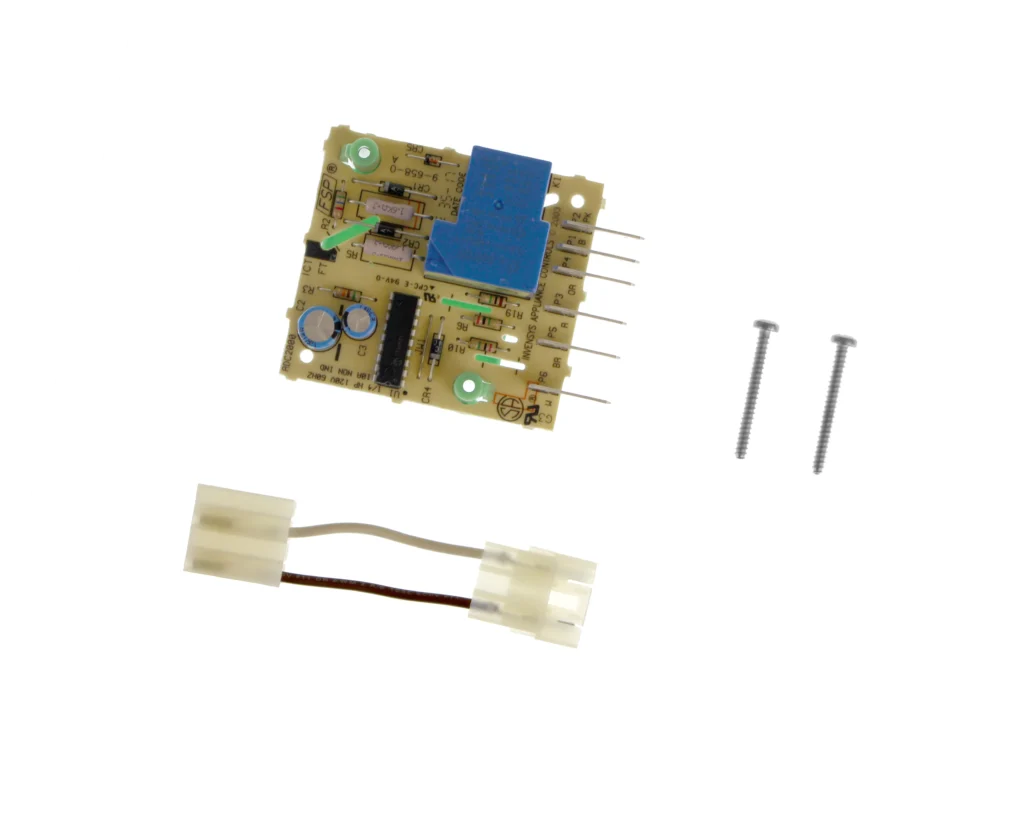
Here's something most people don't realize: the adaptive defrost control board in your Whirlpool, Maytag, or KitchenAid refrigerator is supposed to last 10-15 years. But in reality? Most fail around year 7. The difference isn't luck—it's how you treat the electrical environment around your fridge.
This board (part number 4388931, replaces AP3109393, 2154674, 2162270, PS372260) manages your refrigerator's defrost cycle timing. When it fails, you'll notice your fridge getting too warm or your freezer refusing to defrost properly. But you can add years to its life with some simple preventive steps.
How Long Should It Last?
Under ideal conditions, the adaptive defrost control board should function for 10-15 years. The circuit board itself is durable, but it's vulnerable to three main threats: power surges, moisture infiltration, and heat stress from compressor overwork.
In homes with frequent power fluctuations or older electrical systems, these boards often fail at 5-7 years. If you're running models like the Whirlpool WRT316SFDW, ED2KHAXYQ01, or Maytag MTB1852VRW without surge protection, you're playing Russian roulette with a $125 part.
The board uses adaptive logic to determine when defrost cycles are needed based on compressor runtime. When your fridge works harder than it should—because of dirty condenser coils, failing door seals, or a compressor nearing end-of-life—the board experiences more thermal cycling. More cycles mean faster degradation of solder joints and capacitors.
Signs It's Wearing Out
The defrost control board doesn't fail overnight. It gives you warnings, but most people miss them until food starts spoiling.
Fridge Too Warm
When you notice your refrigerator compartment running warmer than usual—milk spoiling faster, condensation on food containers—the defrost board might be misfiring. It's not cycling the defrost heater correctly, which causes frost buildup on the evaporator coils. That frost acts as insulation, preventing proper cooling. Your compressor runs constantly trying to compensate, but the compartment stays warm.
Check your temperature setting first, but if your fridge is set to 37°F and reading 42-45°F consistently, suspect the control board.
Freezer Not Defrosting
This is the classic failure mode. You'll see thick frost buildup on the back wall of your freezer, ice accumulation around the evaporator fan area, or frost creeping into the refrigerator section through the air vents. The board has stopped triggering defrost cycles entirely.
Pull out your freezer drawer or shelves and look at the back panel. If you see more than a thin layer of frost, your defrost system isn't working. The control board is the brain of this system—when it fails, nothing else matters.
Intermittent Cooling Issues
Here's a sneaky one: your fridge works fine for days, then suddenly warms up, then fixes itself. This on-and-off behavior indicates a control board with failing solder joints or deteriorating capacitors. Temperature swings of 5-10 degrees over 24-48 hour periods point to intermittent board failure.
When to Replace vs Maintain
Let's be honest: you can't repair a failed defrost control board. Once symptoms like persistent warm temperatures or complete defrost failure appear, replacement is your only option. The circuit board is sealed and contains surface-mount components that aren't field-serviceable.
But here's what you can maintain: the conditions that keep the board healthy. Think of it like changing your car's oil—you're not fixing the engine, you're preventing damage.
Replace immediately if: Your fridge is too warm despite proper settings, your freezer has heavy frost buildup that returns within days of manual defrosting, or you've confirmed the board has failed through diagnostic testing.
Maintain preventively if: Your fridge is working normally, you want to avoid premature failure, or you've just installed a new board and want to protect your investment.
The maintenance steps below won't revive a dead board, but they'll significantly extend the life of a working one—especially on common models like the Whirlpool RT18BKXKQ00, Amana ART104TFDW, Kenmore 10662972901, or Maytag M8RXEGMAB.
Frequently Asked Questions
Can power surges damage the defrost control board?
Absolutely. The 4388931 board contains sensitive electronic components that can fry during voltage spikes. If you've experienced a power outage followed by cooling issues, surge damage is likely. Use a surge protector rated for appliances—standard power strips aren't enough. Your refrigerator draws significant amperage on startup, so you need a unit rated for at least 15 amps with clamping voltage under 400V.
How do I know if it's the control board or the defrost heater?
Test the defrost heater first—it's cheaper and easier. Unplug your fridge, access the evaporator cover in the freezer, and use a multimeter to check heater continuity. Should read 15-50 ohms. If the heater tests good but you still have frost buildup, the control board isn't triggering it. If the heater is open (infinite resistance), replace it before assuming board failure.
Will cleaning my refrigerator help the control board last longer?
Yes, but not in the way you think. Cleaning the condenser coils reduces compressor runtime, which reduces heat stress on all electrical components including the defrost board. Dirty coils force your compressor to run 30-40% longer per cycle, generating more heat that radiates to the control board mounted nearby. Clean coils every 6 months—quarterly if you have pets.
Element showing wear?
4388931 · Replace before it fully fails