
How to Extend Your Whirlpool Washer Lid Switch Life — Maintenance Guide
Never bypass the lid switch. It prevents the washer from spinning with the lid open — a serious safety hazard that can cause injury.
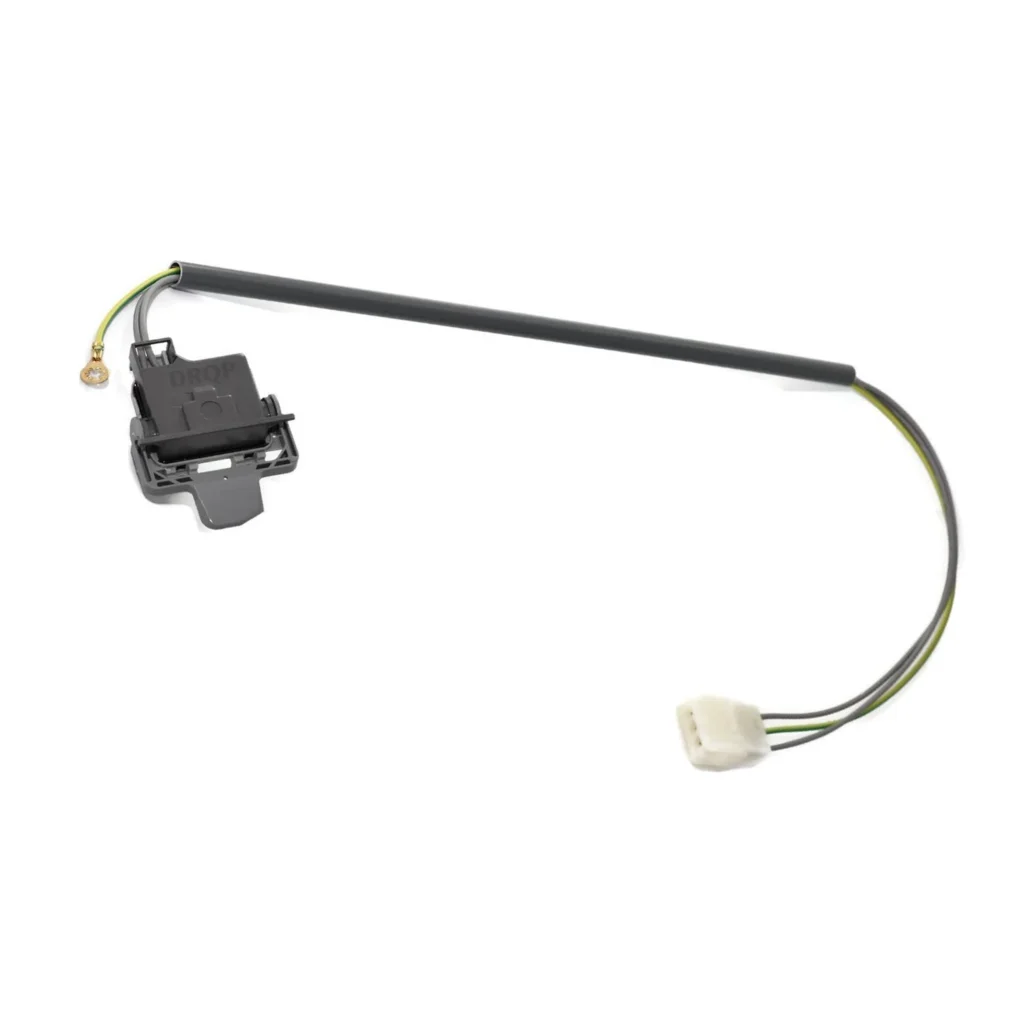
Most Whirlpool lid switches fail around the 7-year mark, but that number drops to 3-4 years if you've got kids who slam the lid or routinely run unbalanced loads. The plastic actuator on these assemblies wasn't built to absorb constant impact — it becomes brittle over time and shatters when struck.
Here's the thing: you can't rebuild this switch once it fails. But you can easily double its lifespan by changing a few habits and catching wear early.
How Long Should It Last?
Under normal conditions, the 3949247 lid switch assembly should last 8-10 years. That assumes you're closing the lid gently and your loads are balanced most of the time. Reality is different.
The plastic actuator — the little tab the lid presses down on — takes every bit of force when the lid closes. Slam it 3-4 times a week for five years and that plastic gets stress fractures you can't see. Add in an unbalanced load that makes the whole washer cabinet shift, and that actuator gets knocked from the side. It's not designed for lateral impact.
If you're gentle with the lid and keep loads balanced, you'll hit that 8-10 year mark. Rough treatment cuts it to 3-5 years. The switch itself rarely fails — it's almost always the actuator breaking off.
Signs It's Wearing Out
The lid switch doesn't give you much warning before it quits entirely. But there are a few early indicators if you know what to look for.
Washer Won't Start Unless You Press the Lid Down
You close the lid, hit start, and nothing happens. But if you press down hard on the lid while starting it, the cycle begins. That's the actuator wearing down or the switch contacts getting weak. The lid's not making solid contact anymore.
This usually means you've got a month or two before complete failure. The actuator tab has worn smooth or cracked partially, so it needs extra pressure to engage the switch.
Cycle Stops Mid-Wash for No Reason
Your washer's running normally, then suddenly stops like you opened the lid — except you didn't touch it. The lid switch momentarily loses contact, usually from an unbalanced load shifting the cabinet slightly.
When this happens, check the actuator. It's probably loose or has a hairline crack. The vibration from the spin cycle is enough to break contact temporarily.
Won't Agitate or Spin, But Fills Fine
The washer fills with water perfectly, but when it's time to agitate or spin, nothing. The control board sees the lid as "open" even though it's closed and latched. This is complete switch failure — the contacts aren't closing at all.
At this point, the actuator has usually broken off entirely or the internal contacts in the switch have failed. No amount of maintenance fixes this. You need the new assembly.
Daily Habits That Extend Life
Don't slam the lid. Sounds obvious, but this is the #1 killer of these switches. Close it firmly but controlled — the actuator only needs light contact to engage. Slamming it doesn't make the washer work better, it just fractures the plastic faster.
Balance your loads properly. An unbalanced washer walks during spin, and that movement causes the cabinet to strike the lid switch actuator from the side. Rearrange heavy items so weight's distributed evenly. If the washer's shaking hard enough to walk across the floor, it's hitting that actuator with every rotation.
Keep the area around the switch dry. Water intrusion is rare with this switch since it's mounted high on the cabinet, but if you're overfilling or have a spray issue, moisture can corrode the contacts. Wipe down the inside of the cabinet top occasionally.
When to Replace vs Maintain
There's no "repairing" this switch. It's a sealed assembly. Once the actuator cracks or the contacts fail, you replace the whole thing. The good news: it's a 15-minute job with a nutdriver and screwdriver.
Replace immediately if:
- The actuator tab is visibly cracked or broken off
- Pressing down on the lid doesn't start the washer at all
- The washer stops mid-cycle and displays a lid error
- You hear the actuator rattling loose inside the cabinet
You might squeeze a few more weeks out of it by pressing firmly on the lid when starting, but you're one rough close away from the actuator shattering completely. And then you're hand-washing clothes until the part arrives.
Don't wait for total failure. Order the replacement when you first need to press down hard to start it. You'll still be able to finish your current laundry loads while waiting for delivery.
Monthly Check You Should Do
Once a month, open the lid and look at the actuator tab. It sticks up from the switch assembly mounted on the underside of the cabinet top. You're checking for:
- Cracks in the plastic (use a flashlight)
- White stress marks around the base where it connects to the switch
- Any looseness when you wiggle it gently with your finger
- Smoothing or flattening on top where the lid contacts it
If you see hairline cracks, order the replacement part but keep using the washer until it arrives. You've probably got 2-3 months left. If the actuator moves when you wiggle it, you've got weeks, not months.
What Actually Causes Failure
The plastic on the actuator becomes brittle with age and breaks when the lid is closed roughly, or from the movement of an unbalanced load causing parts of the washer to strike it. That's straight from the failure analysis.
Temperature swings don't help either. If your washer's in an unheated garage, that plastic goes through freeze-thaw cycles that make it brittle faster. A washer in climate-controlled space will outlast one in a garage by 2-3 years on average.
The electrical contacts inside can also wear out from arcing. Every time the switch opens or closes, there's a tiny spark between the contacts. After 10,000 cycles, that creates pitting and carbon buildup. But honestly, the actuator breaks before the contacts wear out in 90% of cases.
Frequently Asked Questions
Can I bypass the lid switch if it fails and I need to finish laundry?
Technically yes, but don't. The lid switch prevents the washer from spinning with the lid open — that's a safety feature. An open washer spinning at 1200 RPM can throw items across the room hard enough to injure someone. Order the part, pay for overnight shipping if you need to, but don't bypass the safety.
Will using heavier detergent or bleach damage the switch?
No, the switch is above the water line and sealed against moisture. Unless you're literally pouring bleach on top of the switch housing (don't), your detergent choice won't affect it. The actuator fails from mechanical stress, not chemical exposure.
My washer's 12 years old — should I replace the lid switch preventively?
If it's working fine, leave it alone. These switches don't benefit from preventive replacement because the failure is instant — the actuator either breaks or it doesn't. You won't prevent anything by swapping a working switch. Save the $57 until you actually need it. When it fails, you'll know immediately.
Element showing wear?
3949247 · Replace before it fully fails