
How to Extend Your Whirlpool Dryer Thermal Fuse Life — Maintenance Guide
WARNING: Never bypass or jumper a thermal fuse. It exists to prevent dryer fires. Always identify and fix the root cause (airflow restriction, heating element fault) before replacing the fuse.
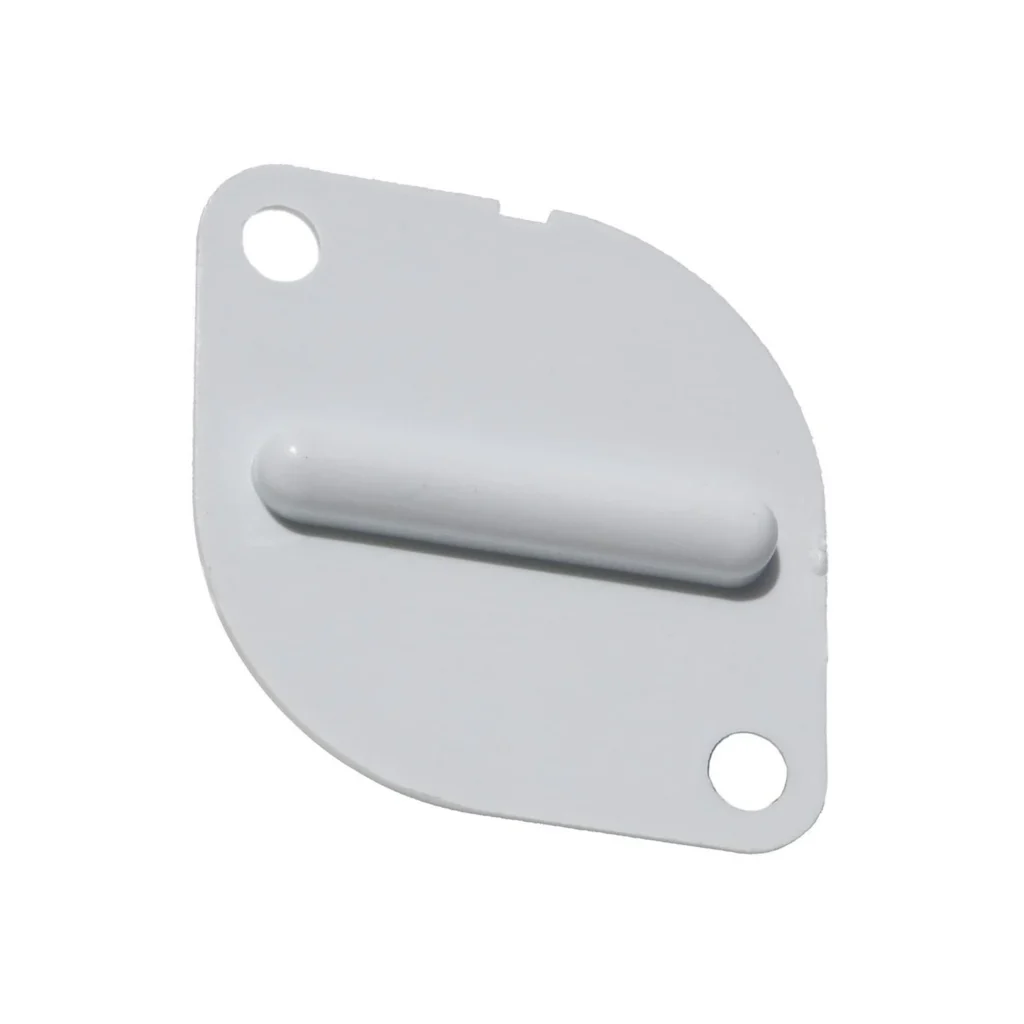
Here's the problem: the average thermal fuse in a Whirlpool, Maytag, or KitchenAid dryer should theoretically last the lifetime of the appliance. In reality? Most fail within 5-8 years, and some blow out in under three. The 3390719 thermal fuse (rated at 91°C) isn't wearing out from age — it's dying because something else is wrong with your dryer.
Think of this component as a one-time circuit breaker. Once it trips at 91°C (about 196°F), it's done forever. It can't reset. Understanding why it tripped in the first place is how you avoid replacing it every few years.
How Long Should It Last?
A thermal fuse like the 3390719 doesn't have moving parts. It's a small metal housing with a thermal element inside designed to break the circuit when temperatures exceed safe limits. Under normal conditions, it should never trip — meaning it should last 15-20 years or more.
But that's the key phrase: normal conditions. When your dryer runs hotter than designed (usually from restricted airflow), the fuse sacrifices itself to prevent a fire. Models like the WED8500BW0, MED5900TW0, and YMEDB850YG1 all use this same fuse, and they all fail the same way when airflow is compromised.
What affects lifespan:
- Vent restriction — The #1 killer. Lint buildup in the vent hose or exterior vent creates back-pressure and heat.
- Lint screen maintenance — A clogged screen forces hot air to recirculate inside the drum housing.
- Blower wheel condition — Lint wrapped around the blower reduces airflow even with a clean vent.
- Heating element cycling — A failing thermostat can cause temperature spikes.
Signs It's Wearing Out
Here's the tricky part: thermal fuses don't "wear out" gradually. They work perfectly until the moment they don't. But the conditions that kill them do give warnings.
Dryer Not Heating
This is the most common symptom. Your dryer runs, the drum turns, but clothes come out damp after a full cycle. The thermal fuse is part of the heating circuit — when it blows, electricity can't reach the heating element. You'll hear the motor, see the timer counting down, but zero heat production. Models like the 7MWGD7800XW0 and GEW9878PG0 will exhibit this exact behavior when the fuse trips.
Dryer Won't Start
On some Maytag and Whirlpool models (particularly the MED5920TW0 and YMEDB980BG0), a blown thermal fuse will prevent the dryer from starting at all. You press the button, nothing happens — no sound, no lights, no drum movement. This happens because the fuse is wired into the start circuit as a safety interlock.
Dryer Running Too Hot (Before Failure)
If you catch this before the fuse blows, you can save yourself the replacement. Open the door mid-cycle and carefully touch the drum interior — it should be warm, not scalding. Check the top or rear panel — excessive heat radiating from the cabinet means airflow is restricted. Your clothes might come out overly wrinkled or even singed at the edges. This is your warning: the fuse is about to sacrifice itself.
Preventing Premature Failure
Since the thermal fuse itself can't be maintained (it's sealed), your goal is maintaining the system around it. Every failed fuse tells a story about airflow.
Clean the lint screen after every load. Not once a week — after every single load. Even a thin layer of lint reduces airflow by 30-40%. If you use dryer sheets, wash the screen with dish soap monthly to remove waxy buildup that clogs the mesh.
Inspect the exhaust vent every 6 months. Disconnect the vent hose from the back of the dryer and look inside with a flashlight. You'll be shocked at the lint accumulation. Use a vent brush (the long flexible kind) to clean from both the dryer side and the exterior vent cap. Vents longer than 15 feet or with multiple elbows need cleaning every 3 months.
Check the blower wheel annually. This requires removing the front or rear panel (depending on your model — the WED8800YC1 is rear-access, the 7MWG77900SB0 is front-access). You'll find the blower wheel near the motor. It should spin freely with no wobble. Remove any lint wrapped around the shaft or stuck in the fan blades. One user who replaced their 3390719 fuse reported it "made it work good" — but if they don't address the airflow issue, they'll be replacing it again next year.
Test the exterior vent flapper. Go outside while the dryer runs. The vent flapper should open fully and you should feel strong airflow. If it barely opens or feels weak, there's a blockage somewhere in the line — possibly a bird nest, crushed vent hose, or lint trap in the wall duct.
When to Replace vs. Maintain
Let's be clear: once a thermal fuse blows, replacement is your only option. There's no resetting it, no bypassing it (don't even think about it — that's a fire hazard). The 3390719 costs $19.99 and takes 15-30 minutes to install with basic screwdrivers and a socket set.
But here's the critical decision point: Do not replace the fuse without finding and fixing the root cause.
If you simply swap in a new fuse and ignore why the old one tripped, you're wasting money. The new fuse will blow again within weeks or months. Before ordering the part:
- Clean the entire vent system thoroughly
- Inspect and clean the blower wheel
- Check that the lint screen housing is clear
- Verify the exterior vent opens properly
- Test that the heating element isn't grounded (use a multimeter)
Once you've addressed the airflow and eliminated other heating circuit issues, then replace the fuse. Most DIYers report this is an easy repair — "Great part" according to one verified buyer — but only if the underlying problem is solved first.
The Honest Truth About Lifespan
With proper airflow maintenance, a thermal fuse should outlast your dryer's motor, belt, and rollers. We've seen 15-year-old machines with original fuses still functioning perfectly. But we've also seen homeowners replace the same fuse three times in two years because they never cleaned the vent.
The difference? About 20 minutes of maintenance every six months. Clean vents, clear lint screens, and unrestricted airflow mean your $19.99 thermal fuse becomes a lifetime component instead of a recurring expense.
Frequently Asked Questions
Can I test a thermal fuse to see if it's still good?
Yes, with a multimeter. Disconnect power to the dryer, remove the fuse from its mounting location (usually near the heating element or blower housing), and test for continuity. Set your multimeter to the lowest ohms setting and touch the probes to each terminal. A good fuse shows 0 ohms (continuous circuit). A blown fuse shows infinite resistance (open circuit). There's no in-between — it's either working or it's not. If you're replacing the fuse on models like the YMED5900TW0 or GEW9878LW1, test the new one before installation to confirm it's functional.
Why did my thermal fuse blow if my vent is clean?
The vent isn't the only culprit. Check these less obvious causes: a failing cycling thermostat can cause temperature spikes that trip the fuse; a grounded heating element creates electrical resistance that generates excess heat; a worn door seal allows hot air to escape improperly, triggering the safety circuit; lint trapped in the blower housing (not the vent) restricts airflow internally. Also inspect for kinked or crushed vent hoses behind the dryer — even a 90-degree bend in the flexible vent reduces airflow significantly.
How often should I replace the thermal fuse as preventive maintenance?
Never. Thermal fuses aren't wear items like belts or rollers — you don't replace them on a schedule. They only need replacement after they've tripped. Replacing a functional fuse "just in case" is throwing away money. Instead, focus preventive maintenance on the systems that protect the fuse: clean the vent system every 6 months, wash the lint screen monthly with soap, vacuum the blower housing annually, and verify proper airflow. A well-maintained dryer will never need a second thermal fuse replacement in its entire lifespan.
Element showing wear?
3390719 · Replace before it fully fails