
How to Extend Your Dryer Radiant Flame Sensor Life — Maintenance Guide
Always disconnect power and shut off gas supply before inspecting the flame sensor. Never bypass or jumper the sensor — it's a critical safety device that prevents gas leaks.
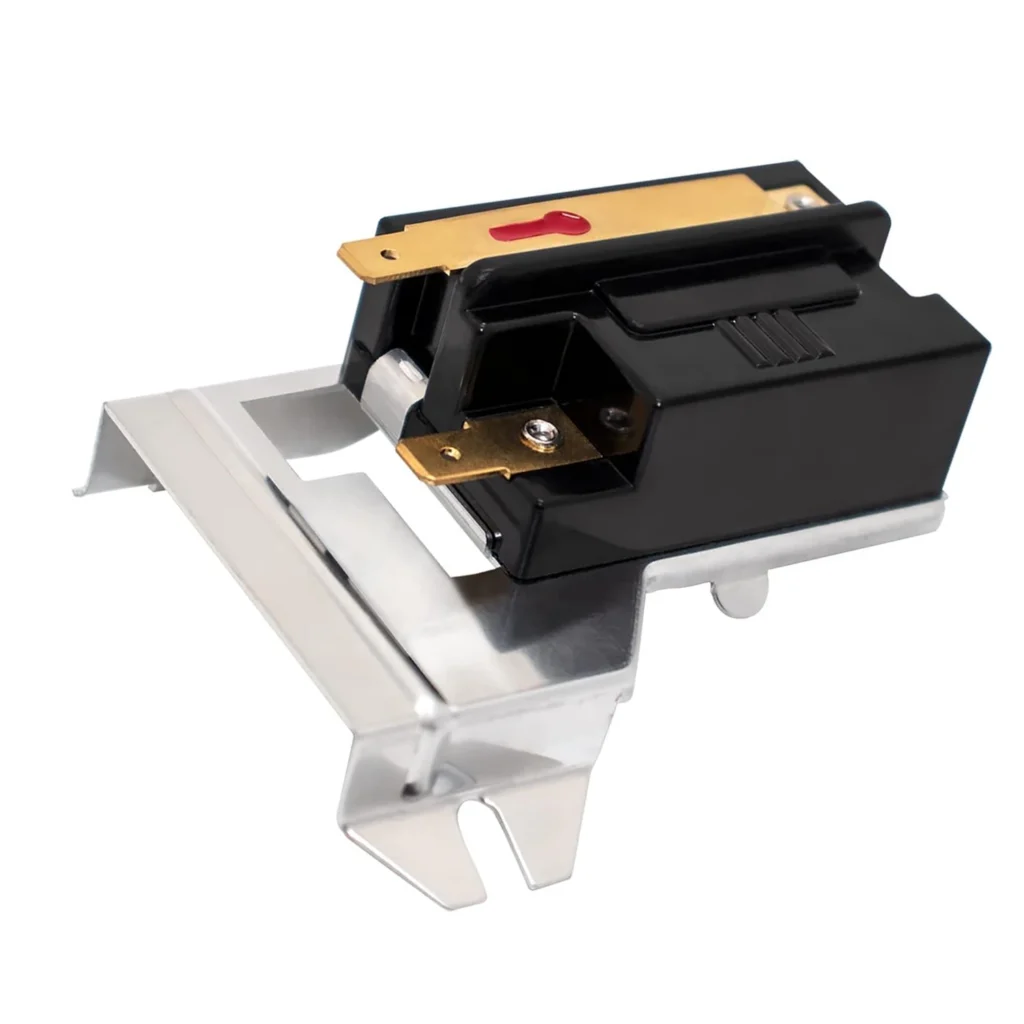
Your dryer's flame sensor should last 8–12 years, but most homeowners replace them at 4–6 years. The difference? Simple maintenance habits that cost nothing but save you the $34 replacement plus a service call.
This radiant flame sensor (part 338906) sits directly in the flame path of your gas dryer's burner assembly. It's a glow coil that heats up to allow gas flow — basically the gatekeeper between your igniter firing and your clothes actually getting warm. When it fails prematurely, it's usually because something preventable compromised it.
How Long Should It Last?
Under normal conditions, the radiant flame sensor in models like the Whirlpool WED5000DW2 or Maytag WED9200SQ0 lasts 8–12 years. These sensors are rated for thousands of heating cycles.
What kills them early:
- Lint accumulation — restricts airflow, causes overheating cycles that stress the coil
- Moisture exposure — venting issues create condensation that corrodes connections
- Voltage fluctuations — power surges or weak electrical connections degrade the element
- Physical vibration — loose mounting allows the sensor to flex and crack over time
The honest truth: most flame sensors fail because the dryer's overall maintenance was neglected, not because the part itself wore out.
Signs It's Wearing Out
The primary symptom is straightforward: your dryer won't heat. But before it fails completely, you'll notice warning signs if you're paying attention.
Inconsistent Heating Cycles
The dryer heats for a few minutes, then goes cold, then heats again. This on-off pattern means the sensor's detecting flame inconsistently. On models like the Kenmore IGD4400SQ0, you'll hear the igniter clicking repeatedly as the system tries to maintain temperature.
Longer Dry Times Without Obvious Cause
If your lint trap's clean and the vent's clear but clothes take twice as long to dry, the flame sensor might be allowing only partial gas flow. It's working, but not optimally — usually because resistance in the coil has increased.
Visual Degradation of the Sensor Element
Pull the lower front panel and look at the sensor with a flashlight. A healthy glow coil is smooth and uniform. You're looking for:
- White or gray crusty deposits (oxidation from moisture)
- Visible cracks in the ceramic insulator
- Discoloration or brittleness in the wire leads
- Loose mounting bracket allowing movement
If you see any of these on your Whirlpool WGD5300SQ0 or Amana AGD4475TQ1, you're looking at 3–6 months before complete failure.
When to Replace vs Maintain
Here's the decision framework: if the sensor's glowing but the dryer isn't heating, test it. Use a multimeter to check resistance — you should see 50–400 ohms when cold. If it reads open (infinite resistance) or shorts to ground, it's done. Replace it.
But if it's heating inconsistently or you're just trying to maximize lifespan on a working sensor:
Maintain it when the sensor itself looks fine but conditions around it are deteriorating. Clean the burner assembly, verify proper venting, check wire connections.
Replace it when you see physical damage, when resistance readings are out of spec, or when it's failed the "will it glow" test. At $33.99, the 338906 sensor is cheaper than the diagnostic service call you'll pay if you delay.
One reality check: if your dryer's 10+ years old and the sensor fails, budget for the igniter too. They often fail within months of each other because they've been through the same number of cycles.
Frequently Asked Questions
How often should I inspect the flame sensor?
Annually at minimum, or anytime you notice heating issues. It takes 10 minutes — unplug the dryer, remove the lower panel, visually inspect the sensor and burner area. Look for lint buildup, check that mounting screws are tight, verify wire connections aren't corroded. For models like the Whirlpool WED7400XW0, the sensor's right below the drum on the burner assembly — easy access.
Can I clean a flame sensor or does it need replacement?
You can't clean the sensor element itself — any abrasion damages the coating that allows it to glow. But you absolutely should clean around it. Use compressed air or a vacuum with a brush attachment to remove lint from the burner assembly housing. Clean the gas valve area and the sensor mounting bracket. This maintenance prevents the overheating that kills sensors early.
Will a bad flame sensor damage other dryer components?
Not directly, but the conditions that kill a flame sensor — restricted airflow, moisture, poor venting — will damage your igniter, thermal fuse, and cycling thermostat. If you're replacing the sensor on your Whirlpool GEW9250PW1 or Maytag WGD9450WW2, take it as a warning sign. Check the entire heating system and fix the root cause, or you'll be replacing parts every few months.
Element showing wear?
338906 · Replace before it fully fails