
How to Extend Your Frigidaire Oven Bake Element Life — Maintenance Guide
Always disconnect power at the breaker before inspecting or cleaning the element. Never touch the element until it has cooled for at least one hour after use.
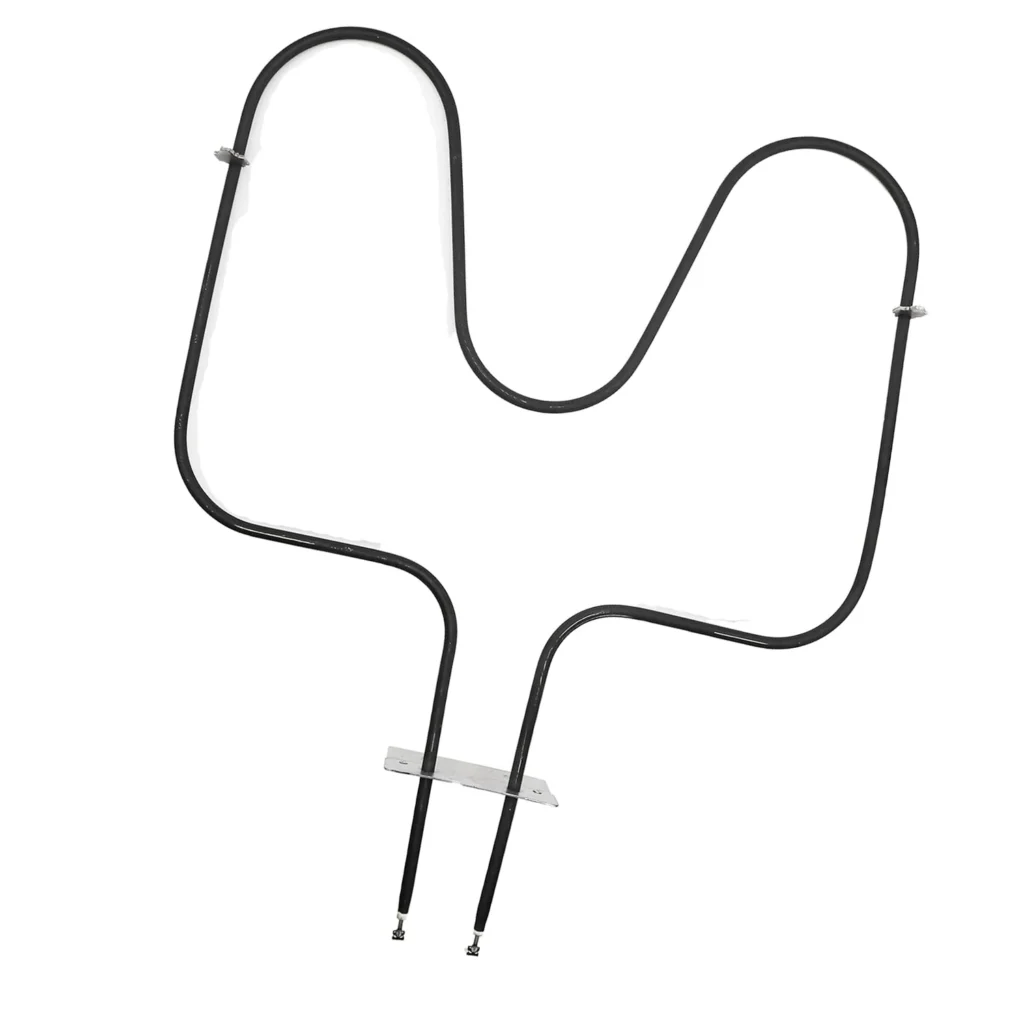
Most oven bake elements fail between years 7 and 10, but I've seen them die at year 3 and still going strong at 15. The difference? How you use them. Your Frigidaire, Electrolux, Gibson, Tappan, or Kenmore oven's bake element (part 318255101) is essentially a big resistor that glows red-hot every time you preheat. That's brutal work, and a few simple habits can double its lifespan.
How Long Should It Last?
A typical bake element lasts 7–10 years with average use. That's about 2,000–3,000 heating cycles. If you bake daily, you're looking at the shorter end. If you're a weekend baker, you might push 12–15 years.
What kills them faster:
- Thermal shock — Rapid temperature swings stress the metal coils
- Spillovers — Sugary or acidic liquids create hot spots that burn through faster
- Poor ventilation — Trapped heat accelerates metal fatigue
- Voltage spikes — Power surges can compromise the element's resistance wire
The 318255101 element is used across FEB24S2ABA, FEB24S5ABC, and dozens of other Frigidaire and Electrolux models from the mid-2000s forward. It's a workhorse design, but it's not invincible.
Signs It's Wearing Out
Bake elements don't usually fail without warning. You'll get clues weeks or even months before total failure. Here's what to watch for:
Uneven Heating or Cold Spots
If your cookies brown perfectly on the left but stay pale on the right, that's often an early sign. The element's resistance wire may be developing weak spots where current flow is reduced. You'll notice this most with large sheet pans that span the full oven width.
Visible Damage to the Element Coil
Pull out the racks and look at the element when it's cool. You're checking for:
- Blistering or bubbling on the metal sheath
- Dark burn marks or discoloration in one area
- Physical separation or breaks in the coil
- Corrosion or white crusty deposits (from spillovers)
Any of these mean you're on borrowed time. The element might still heat, but it's compromised.
Taking Longer to Preheat
If your oven used to hit 350°F in 12 minutes and now takes 18–20, the element's losing efficiency. This happens as the resistance wire degrades. It's still working, but it can't pull the same wattage it once did.
Tripping the Breaker
If your breaker trips when the oven cycles on, the element may have developed an internal short. This is a replace-immediately situation — continuing to use it risks damaging the oven's wiring harness.
When to Replace vs Maintain
Here's the honest truth: you can't "fix" a bake element. Once the resistance wire inside the metal sheath degrades, it's done. What you can do is prevent premature failure.
Replace if:
- The element shows any visible breaks or separation
- It trips the breaker
- One section glows bright red while another stays dark
- Preheat time has doubled
- You see arcing or sparking when it cycles on
Maintain (extend life) if:
- It's heating evenly with no visible damage
- Preheat times are normal
- You're just looking to get more years out of it
The 318255101 costs around $116, so prevention makes sense. Even adding 2–3 years is worth the minimal effort.
Frequently Asked Questions
Can I clean the bake element, or will that damage it?
You can clean it, but never when it's hot or with water. Once the element is completely cool (wait at least an hour after use), wipe it gently with a dry cloth or soft brush. For stubborn baked-on residue, use a damp cloth with a tiny bit of dish soap, then wipe dry immediately. Never spray cleaners directly on the element — the liquid can seep into the connection terminals and cause corrosion.
Should I cover the element with foil to catch drips?
No. This is a common mistake that actually shortens element life. Foil traps heat against the element, creating hot spots that accelerate metal fatigue. It also blocks airflow, which the oven needs for even heating. Instead, use a baking sheet on the rack below to catch spills. If something does drip on the element, let it cool completely, then scrape off the residue gently with a plastic scraper.
How often should I inspect my bake element for wear?
Check it visually every 3–4 months if you bake frequently (3+ times per week), or twice a year for lighter use. Pull out the racks, get a flashlight, and look for the warning signs mentioned above. It takes 30 seconds and can save you from discovering a failed element when you're trying to roast a holiday turkey. Also inspect after any major spillover — sugary or acidic spills are particularly damaging.
Element showing wear?
318255101 · Replace before it fully fails