
How to Extend Your Range Burner Knob Life — Maintenance Guide
Never force a stuck burner knob. A stripped knob can leave gas flowing or prevent you from shutting off a burner completely. If rotation is difficult, clean the valve stem before continuing to use the range.
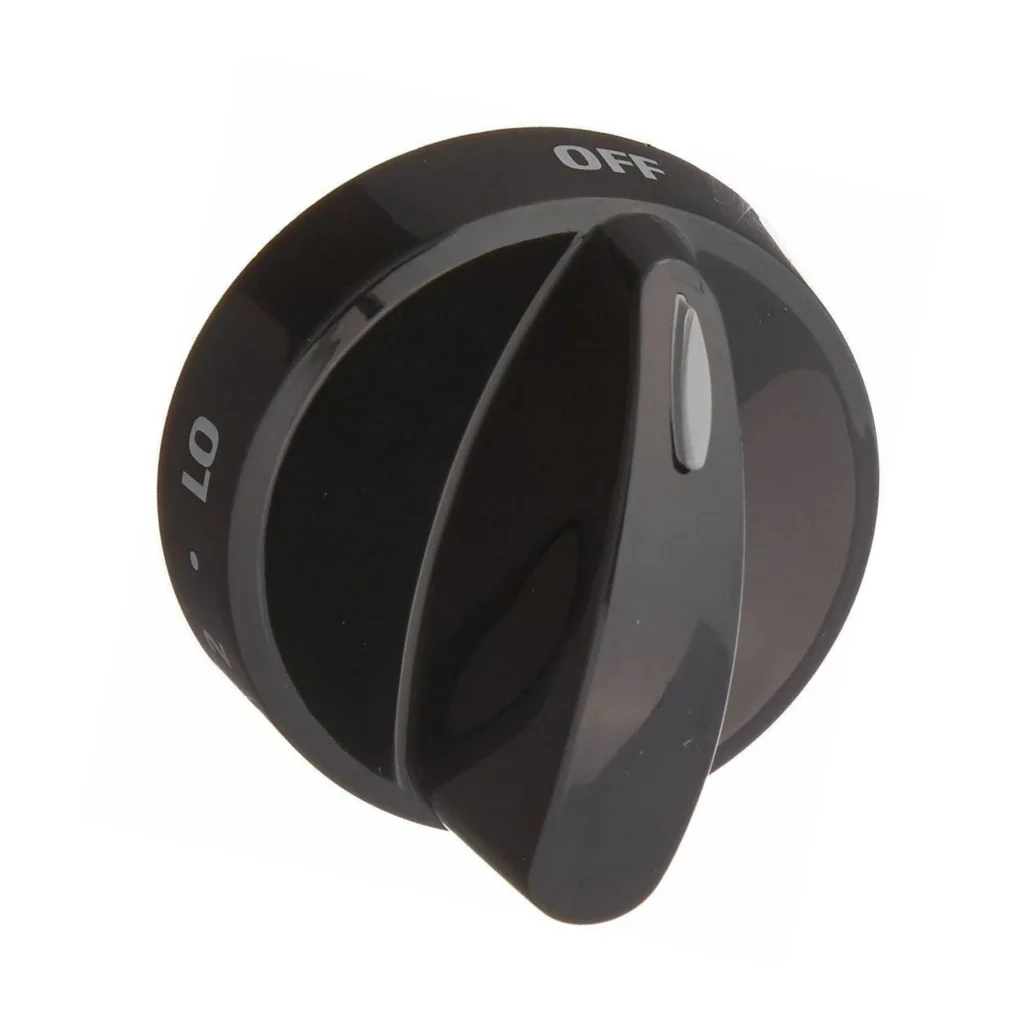
Most range burner knobs fail within 3-5 years, but here's the thing — they're designed to last 10-15 years under normal use. The difference? Heat exposure, cleaning habits, and how hard you yank them when they're stuck.
The 316442513 burner knob fits dozens of Kenmore models (79079653701, 79071201701, 79071313702, and many more), and whether yours lasts 3 years or 15 depends almost entirely on how you treat it. Let's talk about keeping these cheap-looking but surprisingly expensive parts functioning as long as possible.
How Long Should It Last?
Under ideal conditions, a quality range burner knob should give you 10-15 years. In reality, most people replace them every 3-5 years. Why the gap?
Heat degrades the plastic compound. Every time you crank your burner to high, the knob sits inches from 500°F+ temperatures. That's not a design flaw — it's physics. The plastic slowly becomes brittle, the numbers fade, and eventually the D-shaft connection inside wears out.
Cooking style matters too. If you're a high-heat sear person who runs burners at max output daily, you'll see degradation faster than someone who mostly simmers. The constant thermal cycling — hot, cool, hot, cool — accelerates material fatigue.
And then there's the grip factor. When grease builds up on the knob stem, people instinctively grab harder and twist with more force. That extra torque wears down the internal connection point faster than gentle operation ever would.
Signs It's Wearing Out
Burner knobs telegraph their decline pretty clearly if you know what to look for. Catch these signs early, and you can replace the knob before it fails mid-cooking.
The Knob Spins Freely Without Turning the Valve
This is the classic failure mode. You turn the knob, it rotates smoothly, but the burner doesn't respond. The D-shaped socket inside has worn round, so it's no longer gripping the valve stem. Once this starts, it's only going to get worse — there's no fixing a stripped connection point.
Cracks Forming Around the Base
Small stress cracks radiating from the center hole are your early warning system. These typically start after years of heat exposure. The cracks are shallow at first, but they'll deepen until the knob eventually splits. If you catch them when they're hairline thin, you've got maybe 6-12 months before replacement becomes urgent.
The Numbers Have Faded to Nothing
When you can't read Low-Med-High anymore, you're guessing at settings. It's not just annoying — it's dangerous. You might think you've turned the burner to low, but it's actually on high. The fading happens gradually from UV exposure and repeated cleaning, but once it's illegible, you're flying blind.
Knob Feels Loose or Wobbly on the Stem
A properly fitted knob should sit snug with no play. If yours rocks back and forth or pulls away from the control panel easily, the internal grip has loosened. This happens as the plastic fatigues and the D-shaft socket expands slightly. It'll still work for a while, but imprecise control is right around the corner.
Sticky or Stiff Rotation
If the knob suddenly requires extra force to turn, grease has probably migrated down onto the valve stem. This isn't technically wear on the knob itself, but forcing a sticky knob accelerates wear dramatically. Clean it immediately before you strip the connection trying to muscle it around.
When to Replace vs Maintain
Here's your decision framework: if the knob still grips the valve stem firmly, rotates smoothly, and you can read the settings, maintain it. If any of those three conditions fail, replace it.
Some people try supergluing cracked knobs or filling stripped sockets with epoxy. Don't. A burner knob that fails while you're cooking can leave gas flowing with no flame, or trap you at maximum heat with no way to reduce it. At $40.99, the 316442513 isn't cheap, but it's a lot less expensive than a kitchen fire or gas leak.
The one exception: if only the numbers have faded but the knob is otherwise solid, you can mark the settings yourself with a paint pen rated for high temperatures. Not elegant, but functional.
Replace preventively if you're seeing cracks or looseness. Don't wait for complete failure — that always happens at the worst possible moment.
Frequently Asked Questions
Can I use knobs from a different brand on my Kenmore range?
Maybe, but it's risky. The 316442513 is specifically designed for the D-shaft valve stems used in Kenmore and Frigidaire ranges. Other brands might have different shaft shapes (round, square, or proprietary profiles) or different diameter stems. Even if a knob physically fits, if the D-shaft alignment is off by a few degrees, you'll have inaccurate heat settings. Stick with the correct replacement part — the compatibility exists for a reason.
Why does grease keep building up behind my burner knobs?
That's cooking vapor migrating through the gap between knob and control panel. When you boil water or fry food, moisture carries microscopic oil particles into the air. Some of that settles on vertical surfaces — including behind your knobs. You can't eliminate it completely, but you can minimize it by running your exhaust fan every time you cook and pulling knobs monthly for cleaning. Wipe the valve stems and the back of each knob with a degreaser, then dry thoroughly before reinstalling.
How do I clean burner knobs without damaging them?
Pull them straight off (never twist to remove), then wash with warm water and dish soap using a soft cloth. Don't use abrasive scrubbers — they'll scratch the finish and accelerate fading. Avoid soaking them for hours; extended water exposure can seep into the plastic and cause swelling. Never put them in the dishwasher — the high heat and harsh detergents will warp them and fade the markings. Dry completely before putting them back on, and never reinstall a wet knob — trapped moisture promotes corrosion on the valve stem.
Element showing wear?
316442513 · Replace before it fully fails