
How to Extend Your Frigidaire Oven Temperature Sensor Life — Maintenance Guide
Always disconnect power before touching sensor wiring. Use only porcelain wire nuts rated for 450°F or higher when splicing connections — standard wire nuts will melt and create fire hazard.
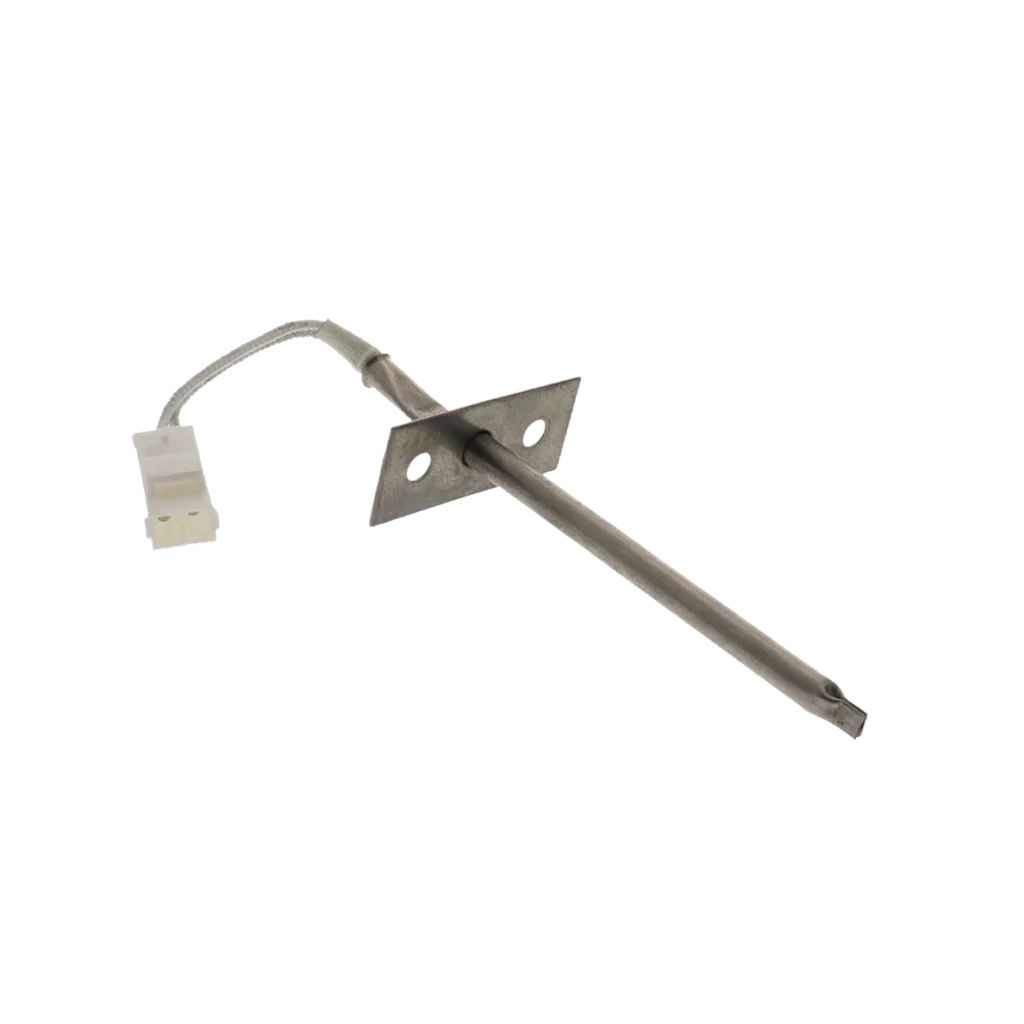
Most oven temperature sensors should last 8-12 years, but the average homeowner replaces theirs every 4-6 years. That's because tiny mistakes — closing the door too hard, cleaning with harsh chemicals, bumping it during self-clean — slowly kill these fragile probes. Your 316233902 sensor costs $23.99 to replace, but with proper care, you'll get every year out of it that Frigidaire designed it for.
How Long Should Your Sensor Last?
The 316233902 probe is built to handle 15-20,000 heating cycles. For most families, that translates to 10-15 years if you're careful. But here's what actually kills them early:
- Moisture intrusion — Water seeping past the mounting grommet corrodes the internal resistor. This happens when you spray oven cleaner too close or wipe down a hot oven.
- Mechanical stress — The probe extends into the oven cavity. Every time you yank out a rack or slam the door, vibrations travel up that thin shaft.
- Temperature shock — Running self-clean cycles back-to-back makes the probe expand and contract rapidly, cracking the ceramic insulation inside.
- Cooking splatter — Grease buildup on the probe tip throws off readings by 15-25°F, forcing the control board to overcompensate.
On models like the FFEF3052TSG or CFEF3052TSD, the sensor sits on the back wall about 6 inches up. That's prime territory for grease spray from roasting pans.
Signs Your Sensor Is Wearing Out
Sensors rarely die instantly. They degrade gradually, and you'll notice these symptoms weeks or months before total failure:
Little to No Heat When Baking
Your oven starts the preheat cycle but never gets past 200°F, or it heats up then shuts off randomly. This happens when the sensor's resistance value drifts outside the control board's acceptable range. The board reads it as "already at temperature" even though the cavity is stone cold.
Oven Not Heating Evenly
Cookies burn on one side while staying doughy on the other. The actual temperature swings 50°F above and below your setpoint because the sensor's reaction time has slowed. A healthy sensor responds to temperature changes in 8-12 seconds — a dying one takes 30-45 seconds, creating wild overshoot cycles.
Oven Is Too Hot
You set 350°F but your cakes come out scorched. The sensor's resistance has drifted low, telling the control board the oven is cooler than reality. The board keeps pumping heat trying to reach setpoint. If you've got an oven thermometer and you're consistently 40-60°F over, the sensor's done.
Gas Igniter Glows But Won't Light (Gas Models)
On gas ranges like the FFGF3011LWK, a failing sensor confuses the control board's safety circuit. The igniter glows bright orange for 60-90 seconds but the gas valve never opens. The board's waiting for a temperature reading that never arrives.
When to Replace vs Maintain
Here's the honest truth: if your sensor's already showing symptoms, maintenance won't fix it. These aren't serviceable parts — you can't disassemble them or replace internal components. Once the resistance value drifts outside spec (typically 1,080-1,100 ohms at room temperature), you're done.
Replace immediately if:
- You measure resistance outside 1,000-1,200 ohms at 70°F
- The probe shaft is visibly corroded or pitted
- The mounting grommet is cracked or melted
- Baking temperatures are off by more than 25°F consistently
Maintenance can help if:
- Your oven still heats accurately but you see grease buildup
- You just installed the sensor and want to maximize lifespan
- You're preparing for heavy holiday cooking
One user on the CFEF312GSA learned this the hard way: "The part was great unfortunately it didn't work it has a different connection than what I have on my stove." That's actually not a maintenance issue — some replacements ship with different connectors. The installation notes are clear: cut and splice the wires with porcelain wire nuts rated for 450°F. Regular twist-on wire nuts will melt.
Frequently Asked Questions
Can I clean the sensor probe with oven cleaner?
Never spray oven cleaner directly on the sensor. The caustic chemicals seep past the mounting grommet and corrode the connection wires. If you're cleaning the oven, unplug it and cover the sensor with aluminum foil. After the oven cleaner cycle, wipe the probe gently with a damp microfiber cloth — no scrubbing, no chemicals.
Should I remove the sensor during self-clean cycles?
No, leave it installed. The sensor is rated for 900°F, and self-clean cycles max out around 880°F. Removing it exposes the mounting hole, letting smoke and fumes into the control cavity. What you should do: run self-clean no more than 3-4 times per year, and always use the shortest cycle your model offers. Back-to-back cycles stress the probe unnecessarily.
How do I know if the connector mismatch issue will affect me?
Before ordering, look at your existing sensor's connector. The 316233902 might ship with a different plug style than your original 316233900 or 316217008. That's why the installation notes mention splicing wires. If you're not comfortable with that, take a photo of your current connector and contact support before ordering. Once spliced correctly with high-temp wire nuts, the connection is actually more reliable than the factory plug.
Element showing wear?
316233902 · Replace before it fully fails