
How to Extend Your Frigidaire Range Knob Life — Maintenance Guide
Never use oven cleaner on knobs. Always remove knobs before self-cleaning cycle. Never lubricate valve stems — fire hazard.
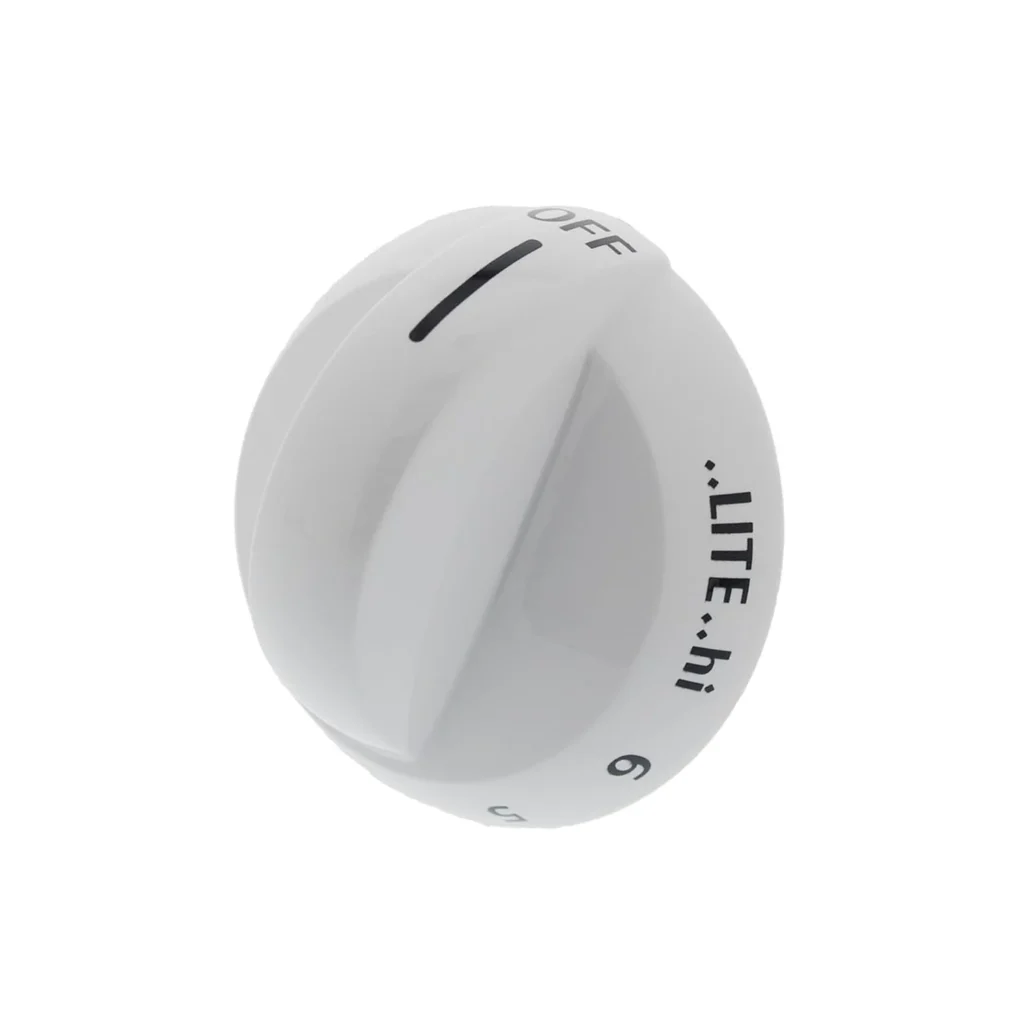
Most homeowners replace their range knobs every 3-5 years, but these controls should easily last 10+ years with basic care. The 316220002 top burner knob fits dozens of Frigidaire, Kenmore, Tappan, and Crosley models — from the CFGF366DBB to the FGF326AWA — and costs $35.99 to replace. Here's how to avoid that expense.
How Long Should It Last?
Factory-spec range knobs are designed for 15,000-20,000 rotation cycles. That translates to 8-10 years for most households cooking 2-3 meals daily. But heat, grease buildup, and improper cleaning cut that lifespan in half.
The plastic body withstands normal cooking temperatures, but direct flame contact or oven cleaner exposure causes premature deterioration. The metal D-shaft insert loosens when grease works its way into the connection point.
Signs It's Wearing Out
You'll notice specific changes before complete failure:
The Knob Spins Without Engaging
When you turn the control and feel no resistance — or it rotates 360 degrees — the D-shaft socket has worn smooth. Grease infiltration weakens the plastic grip points that mesh with the valve stem. This happens gradually, starting with occasional slippage during temperature adjustments.
Surface Markings Become Illegible
Temperature indicators fade or rub off completely. You'll find yourself guessing between medium and medium-high settings. Harsh cleaners accelerate this — especially anything containing bleach or ammonia that breaks down the printed surface layer.
Cracks Appear Around the Base
Heat cycles cause expansion and contraction. Look for hairline cracks where the knob meets the control panel. These widen over time, eventually allowing the knob to wobble or pull away from the valve stem entirely. Once cracked, the structural integrity is compromised.
Maintenance Schedule That Actually Works
After Each Use: Wipe down knobs with a damp microfiber cloth while they're still warm — not hot. Grease comes off easier before it cools and hardens. Don't use paper towels; they're too abrasive on the printed markings.
Weekly: Remove each knob and clean the valve stem area. Most knobs pull straight off with gentle pressure. Wash in warm soapy water, dry completely, then reinstall. This prevents grease from migrating into the D-shaft socket.
Monthly: Inspect the connection point. With the knob removed, check for grease buildup around the metal stem. A toothbrush dipped in degreaser works well here. Make sure the D-shaft socket inside the knob shows no cracks or deformation.
When to Replace vs Maintain
Replace immediately if the knob won't stay secured to the valve stem — this is a safety issue. You risk accidental gas release or inability to turn off burners quickly.
Replace when cracks extend more than 1/4 inch from the base. The knob will break during normal use.
Maintain if markings are fading but the knob functions properly. You can mark settings with a permanent marker as a temporary fix.
Maintain if the knob feels loose but still engages. Clean thoroughly and check for debris in the socket — often that's the only issue.
What Destroys Range Knobs Fastest
Oven cleaner overspray melts the plastic coating within minutes. Always remove knobs before cleaning your range.
Leaving knobs on during self-clean cycles. The 800°F+ temperatures warp even heat-resistant plastics.
Yanking knobs off at an angle. This cracks the D-shaft socket internally where you can't see the damage until failure occurs.
Dishwasher cleaning. The high-pressure spray and heated dry cycle degrades the plastic faster than a decade of normal use. Hand wash only.
Frequently Asked Questions
Can I use WD-40 if my knob feels stiff?
No. Never lubricate range knobs or valve stems. WD-40 attracts dust and grease, creating a gummy buildup that actually makes turning harder. If a knob sticks, remove it and clean both the knob socket and valve stem with degreaser. The issue is almost always hardened grease, not lack of lubrication.
Why does my replacement knob from heima.com look slightly different?
The 316220002 is an OEM replacement that matches factory specifications for fit and function. Minor cosmetic differences — like font style or finish texture — don't affect performance. What matters is the D-shaft socket dimensions and heat resistance rating, which are identical to the original part.
How do I know which knob position controls which burner?
With knobs removed, turn on each burner briefly using pliers on the valve stem (be extremely careful). Mark the corresponding knob and stem position with a small paint dot before reinstalling. Take a photo of the correct arrangement for future reference. Most Frigidaire models follow left-to-right arrangement, but verify on your specific unit.
Element showing wear?
316220002 · Replace before it fully fails